








Key Takeaways About Fixture Supply Lines
Fixture supply lines connect fixtures to your home’s water system and carry hot and cold water. This guide is for homeowners and property managers planning DIY installs or hiring a pro when leaks or performance issues appear.
- Identify the best material for the fixture and location.
- Prevent stress by routing lines with gentle curves.
- Avoid mismatched metals and missing dielectric fittings.
- Spot early signs of failure like dampness or mineral buildup.
- Reduce leak risk by using correct fittings and torque.
- Plan for access and future replacement during installations.
Introduction
Fixture supply lines may seem minor, but wrong choices cause leaks, corrosion, and water damage in minutes. Homeowners often overlook hose material, length, and connection type when replacing faucets or toilets. Small errors during installation can lead to slow leaks behind cabinets or sudden floods. In areas like Oakley, OH older homes can hide aging shutoff valves and fragile tubing.
Choosing the right material affects durability and compatibility with valves and fixtures. Copper, braided stainless, and reinforced PEX each behave differently under pressure and temperature. Sizing mistakes create strain at fittings and increase the chance of failure over time. Proper routing and support matter as much as the supply line material you select.
Visible signs of trouble include damp cabinets, mineral buildup, rattling noises, and fluctuating water pressure. A professional would inspect shutoff valves, measure line length, and check for corrosion at the connection points. They might use a pressure gauge and visual inspection to confirm the issue. Early diagnosis prevents larger repairs to cabinets, floors, and finishes.
For homeowners in Hyde Park, OH frequent fixture use and seasonal temperature swings can make supply line choice more urgent. Correct connections and routing reduce stress on fittings and limit vibration that loosens nuts over time. If you notice water stains or hear persistent water sounds, contact a licensed plumber for a diagnosis. A timely call helps avoid hidden damage and costly restorations later.
Materials Comparison For Fixture Supply Lines
Materials comparison for fixture supply lines means evaluating tubing and fittings for durability, compatibility, and failure risk. Choose braided stainless for flexibility and corrosion resistance near faucets and toilets. Copper offers long-term durability but needs soldering or flare fittings and resists chlorine better than some plastics. Reinforced PEX gives easy routing and fewer fittings, but confirm compatibility with metal shutoff valves and fixture connections.
- Braided stainless resists abrasion and hides kinks.
- Copper resists UV and holds shape under heat.
- Reinforced PEX bends easily and needs rated fittings.
- Nylon-coated options reduce galvanic reaction at metal fittings.
Homeowners often ask which material is safest for under-sink use, and braided stainless is a common practical choice. Inspectors look for signs like corrosion at fittings, loose nuts, and damaged nuts when confirming a problem. A professional would test water pressure, replace suspect sections, and verify shutoff valve compatibility during diagnosis. For detailed guidance on shutoff valves, review Halpin Plumbing’s page about fixture shutoff valves basics.
Routing needs and local factors influence material choice differently in Oakley, OH than other areas, especially in older homes with confined access. In Hyde Park, OH seasonal temperature swings can affect material selection near exterior walls or unconditioned spaces. Pick materials rated for your water temperature and pressure, and use matching fittings to prevent galvanic corrosion. When unsure, contact a professional plumber to confirm compatibility and safe installation.
How Plumbing Sizing Works For Fixtures
Correct pipe diameter and valve sizing affect flow rate and fixture performance more than many homeowners realize. Sizing starts with the fixture type and expected simultaneous use to avoid low flow and pressure drops. A professional calculates required flow in gallons per minute and matches that to supply line diameter and fixture rating. Simple checks at home include timing how long a tub takes to fill to estimate flow capacity.
To confirm sizing, a plumber inspects the shutoff valve, measures internal diameter, and may use a pressure gauge at the fixture. They also look for restrictions like built-up mineral deposits or partially closed angle stops that reduce flow. If a supply line feeds multiple fixtures, the installer checks branch lengths and cumulative demand. For guidance on replacing an old valve safely, consider reviewing a related resource about angle stop replacement.
Long runs and small-diameter tubing cause heat loss and slower hot water delivery at fixtures. Professionals diagnose this by measuring temperature at the fixture and comparing it to the water heater output. If delays or weak hot flow appear, they may upsizethe run or shorten the supply route to improve service. Homes in Oakley, OH with longer plumbing runs should watch for these symptoms during inspections.
Water hammer and noise tie back to sudden valve closures and oversized supply length without proper support or arrestors. A plumber looks for loose fittings, unsupported tubing, and missing arrestors during an inspection. They perform simple tests like quickly shutting a valve to reproduce the noise and then test with a pressure gauge. In a typical service call in Hyde Park, OH the technician documents readings and recommends changes based on measured flows and fixture counts.
Routing Best Practices And Why It Matters
Route fixture supply lines away from heat sources and sharp edges to prevent accelerated wear and leaks over time. Keep runs as direct as possible while allowing a slight loop for thermal expansion to reduce stress on fittings. Secure lines at regular intervals to prevent vibration and movement that can loosen connection nuts. When routing through walls, protect tubing with grommets or sleeves to avoid abrasion against framing materials.
Avoid long, coiled supply lines behind fixtures because they trap air and slow hot water delivery to fixtures, affecting performance. Shorten runs where practical or use a dedicated shorter branch to improve response time and reduce pressure loss. A professional checks run length, measures pressure drop, and may recommend a reroute during diagnosis when slow hot water is reported. In Oakley, OH homes with tight access, routing choices often need extra planning during installation.
Keep fixture supply lines separated from electrical wiring and HVAC ducts to reduce risk of indirect damage and interference. Maintain clear service access to shutoff valves and union fittings so future repairs do not require demolition. A plumber diagnosing routing problems looks for crushed tubing, unsupported horizontal runs, and improper bends that exceed manufacturer bend radii. For more on flexible tubing options and routing methods, see the guidance on flexible plumbing materials.
Consider accessibility when routing supply lines to allow easy replacement of angle stops or hoses without removing cabinets. Label shutoff valves and leave small service loops so changing a line does not disturb the fixture finish. During inspection a technician may use a pressure gauge and visual photos to document problem spots before rerouting. Homeowners in Hyde Park, OH should note routing choices if remodeling cabinets to avoid hidden long runs that complicate repairs.
Connection Types Explained And When To Use
Different connection types affect leak risk, ease of service, and compatibility with shutoff valves and fixtures. Compression fittings work well on angle stops but need proper torque and periodic checks. Push-fit connectors speed installations and allow easy removal, but confirm manufacturer pressure and temperature ratings. Threaded connections require tape or sealant and careful alignment to avoid cross-threading and stress on fixture tailpieces.
- Compression: reliable with correct nut torque.
- Flare: used with rigid copper lines.
- Push-fit: fast and removable when rated for use.
- Threaded: sealant required and alignment matters.
- Crimped PEX: durable when installed with proper tools.
Match the connection to the supply material to prevent failure from mismatched metals or fittings. For example, pair brass fittings with copper or PEX adapters designed for those materials to avoid galvanic action. A professional inspects mating surfaces, checks for burrs, and may use a pressure gauge to verify a new connection holds at expected pressure. When installs occur near unheated spaces, consider insulating exposed fittings to reduce freeze risk and condensation.
Diagnosing a connection issue starts with visible signs like dripping at a nut or mineral crust around a joint. A plumber will isolate the fixture by closing the angle stop and observe whether pressure remains on a gauge or if drops indicate a leak. They often tighten, re-seat, or replace the fitting and then retest at working pressure to confirm repair integrity. In Oakley, OH and Hyde Park, OH homes, knowing the connection style helps decide whether a quick repair or full replacement best prevents repeated failures.
Common Causes Of Supply Line Failures Explained
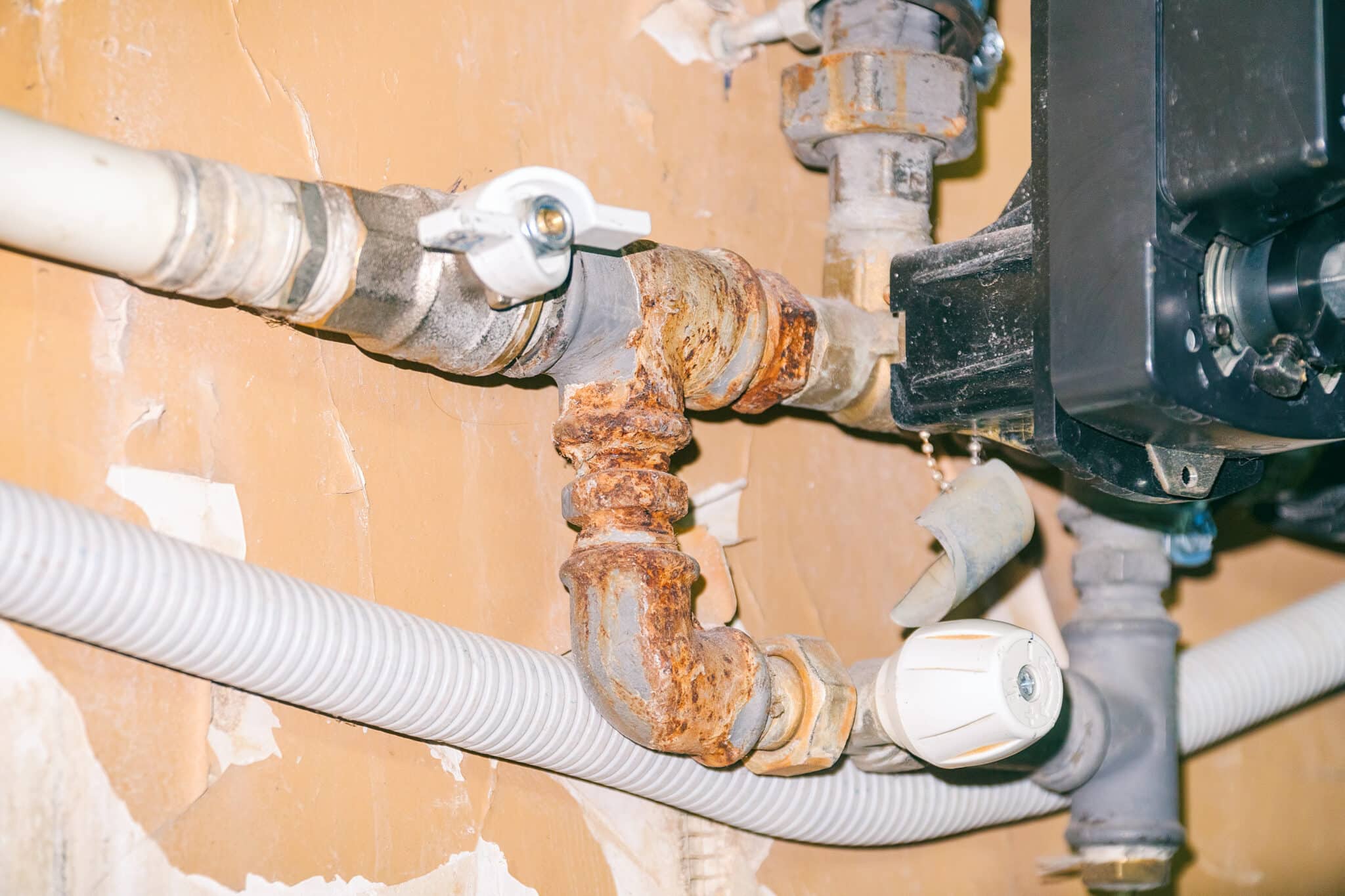
Most supply line failures start with material fatigue where the tubing bends repeatedly under stress until cracks form. Vibration from nearby appliances or loose fittings causes micro-movements that wear through braided or PEX coverings over months. A plumber diagnosing this would inspect for frayed braid, kink marks, and use a pressure gauge during a static test. In Oakley, OH older installations with concealed lines sometimes hide early fatigue signs behind cabinets and baseboards.
Corrosion at mating metals leads to leaks when dissimilar metals touch without dielectric unions or proper coatings. Mineral deposits around nuts and fittings often signal slow corrosion and pinhole leaks developing under torque. Professionals check for galvanic action by observing discoloration and may remove a nut to inspect the tailpiece condition. They also examine shutoff valves and adjacent fittings to determine if replacement or isolation is required.
Improper support or excessive unsupported runs creates stress at fittings that loosens nuts or cracks rigid tubing during temperature cycles. Installers follow hanger spacing guidance to prevent sag and vibration, and a homeowner can check for soft spots or downward droop. During a diagnostic call, a technician will look for unsupported sections and reference correct pipe hanger spacing before recommending corrective action. Fixing support often stops recurring leaks without replacing the entire run.
High system pressure and sudden spikes cause failures that start at the weakest fitting or at existing corrosion points, resulting in sudden bursts. Technicians test system pressure and adjust or recommend a pressure-reducing valve when readings exceed safe levels for fixtures. For homeowners diagnosing pressure issues, simple checks include observing fixture flow while another appliance cycles and noting pressure changes. For tips on adjusting house pressure, consult guidance on water pressure adjustment.
Incorrect length and tight bends raise internal stress and shorten service life, especially where hoses rub against sharp edges or cabinetry. A pro verifies bend radii and measures line length, replacing any section that violates manufacturer minimums. They may also recommend rerouting to eliminate contact points that abrade the outer jacket over time. When planning new runs, consider both access and protection to reduce accidental chafing and hidden wear in Hyde Park, OH homes.
Warning Signs Homeowners Should Never Ignore
Watch for sudden dampness under sinks or around toilets that appears without an obvious source, these wet spots often indicate a failing supply connection or developing pinhole. Listen for steady dripping sounds when water is off, which suggest a leak at a shutoff valve, compression nut, or along the supply line jacket. Visible rust flakes, greenish discoloration, or mineral crust at fittings usually point to corrosion that will worsen unless addressed. If you find any of these signs, turn off the local shutoff and inspect the nut and tailpiece for looseness or damage before calling a pro.
Swollen cabinet bottoms, warped flooring, or musty odors under fixtures mean water has been leaking long enough to damage finishes and framing members. A homeowner smelling mildew should open cabinet doors and feel for soft spots or damp insulation near the supply line and P-trap. Professionals use moisture meters and photos to document damage and locate the leak source behind finishes. Early discovery reduces repair scope and can prevent mold growth that requires remediation.
Intermittent low flow at a single fixture, especially when other fixtures run normally, can signal internal blockage inside a supply line or angle stop buildup. A simple diagnostic step is isolating the fixture by closing the angle stop and attaching a pressure gauge or running the fixture while the stop is manipulated. Technicians may remove the supply line and inspect for crushed tubing, kinks, or mineral clogging to confirm the cause. If the line feeds an appliance like an ice maker, check routing and connection points for hidden strain or bends similar to those discussed in the ice maker line routing guidance.
Bulging or soft spots on braided hoses and visible fraying of stainless braid mean imminent failure and require immediate replacement to avoid flooding. If you notice vibration or rattling that seems to come from a supply line during appliance cycles, a plumber will check for unsupported runs and missing clamps. In Oakley, OH older shutoff valves and brittle hoses can hide risk, so watch for stiffness when turning stops or feel for leaks with dry tissues. In Hyde Park, OH seasonal temperature swings can accelerate wear on exposed lines, so address these warning signs promptly to avoid costly damage.

When To Call A Professional Plumber Service
If you find a leak that continues after tightening or replacing a visible nut, call a professional plumber service promptly. A licensed technician will isolate the supply path and determine whether hidden damage exists behind finishes. They can perform a pressure test and inspect the shutoff valve, tailpiece, and nearby fittings for stress or corrosion. Delaying service increases risk of structural or mold damage in cabinets and floors.
- They will test system pressure at the fixture.
- They will inspect shutoff valves and angle stops.
- They will check for hidden pinhole leaks.
- They will document findings with photos and readings.
When multiple fixtures show reduced flow or sudden pressure spikes, a pro diagnoses whether the issue is local or systemic. Technicians use a pressure gauge and isolate branches to find whether a single supply line or the main causes the problem. They may recommend a pressure-reducing valve or targeted replacements based on measured pressures and observed wear. This prevents repeated failures and protects fixtures from further stress.
If you plan appliance hookups or rerouting near appliances, contact a plumber before cutting or attaching lines to avoid mistakes. Professionals verify routing, materials, and connection methods meet manufacturer recommendations and reduce future strain on fittings. For guidance that helps planning, review Halpin Plumbing’s appliance water hookup guidance while preparing for the appointment. In Oakley, OH and Hyde Park, OH properties, early consultation reduces surprises during installation and repair.
Preventive Maintenance Tips For Long Lifespan
Schedule periodic checks of fixture supply lines to catch wear before it becomes a leak. Inspect visible fittings and feel hoses for soft spots or bulges during monthly checks. If you notice stiffness or roughness in a hose, plan replacement during the next maintenance visit. Professionals often advise replacing flexible lines every 5–10 years depending on material and use.
Keep shutoff valves exercised to avoid seizure and reduce the risk of emergency leaks when you need to isolate a fixture. Turn each angle stop fully on and off several times annually and check for seepage at the packing nut. If a valve resists turning or leaks during operation, consider replacing it rather than forcing it, which can cause sudden failure. For guidance on valve choices and durability, review the resource about best plumbing valves.
Protect exposed supply lines from temperature extremes and abrasion to extend service life inside cabinets and under sinks. Add foam insulation to hot lines and use plastic grommets where tubing passes through framing to prevent chafe. Secure lines near appliances and clamps at regular intervals to stop vibration and movement that loosen nuts over time. In Oakley, OH homes where cabinets sit against exterior walls, extra insulation reduces freeze risk and condensation.
Document condition with photos and basic notes after each inspection to help professionals diagnose changes over time. A clear record of when you noticed staining, fraying, or mineral buildup speeds diagnostics and informs whether partial repair or full replacement is best. During a professional visit, a plumber will use a pressure gauge and visual exam to compare current findings with your records. Homeowners in Hyde Park, OH who keep simple logs find it easier to prioritize preventive replacements before failures occur.
Frequently Asked Questions
What materials are best for fixture supply lines in homes?
Copper, braided stainless steel, and reinforced PEX are the most common materials for fixture supply lines in homes. Copper resists corrosion and works well where heat and longevity matter. Braided stainless steel resists kinks and fits easily to shutoff valves on sinks and toilets. If you detect leaks or are unsure about compatibility, stop work and hire a professional plumber to avoid water damage and code issues.
How do I size supply lines to avoid low flow or pressure loss?
Choose the largest practical diameter that fits the fixture and space, typically 3/8 inch for single fixtures and 1/2 inch for multiple fixtures. Measure run length and count fixtures on the same feed because longer runs and more outlets reduce pressure. Check supply pressure with a gauge, if static pressure is low or drops under flow, consider upsizing or adding a pressure-regulating valve. If you notice very low pressure, recurring drops, or pipe damage, stop and call a licensed plumber for diagnosis and repair.
How should fixture supply lines be routed and secured?
Route fixture supply lines in gentle curves, avoiding sharp bends and contact with rough surfaces that can abrade fittings. Secure lines near the fixture and at intervals along runs using plastic or metal clamps to prevent movement and vibration. Keep supply lines away from heating ducts and electrical wiring to reduce heat exposure and interference, if routing near hazards, consult a professional. If you detect leaks, pressure loss, or corrosion during routing, stop work and hire a licensed plumber for inspection and repair.
What connection types reduce leak risk for supply lines?
Compression fittings and brass nuts on copper or CPVC supply tubing give a reliable, low-leak connection for fixture supply lines. Braided stainless steel flexible hoses with crimped ends and olive fittings resist kinking and reduce seal failures. Use threaded fittings with proper tape or PTFE paste and replace old rubber washers to prevent slow leaks. If you see corrosion, persistent dripping, or high water pressure, stop and call a professional to avoid water damage and improper repairs.
When should I call a pro to diagnose supply line problems?
If you see active leaking, corrosion, bulging, or wet drywall near fixture supply lines, call a professional promptly. Persistent low water pressure or sudden loss of hot water after replacing a supply line warrants expert diagnosis. If a shutoff valve fails to stop flow or you smell mold, stop using the fixture and call a pro for safety. Professionals will inspect valves, supply line connections, and use pressure tests or dye checks to confirm the root cause.