









Key Takeaways About Angle Stop Replacement
An angle stop replacement is swapping a small shutoff valve that controls water to one fixture. This guidance is for homeowners and property managers when valves leak stiffen or risk damaging nearby finishes.
- Identify corrosion leaks and stiff handles before they worsen.
- Prevent finish damage by protecting cabinets and using towels.
- Avoid rushed soldering or force that can crack pipe walls.
- Spot hidden moisture with a flashlight and moisture meter check.
- Reduce leak risk by matching fittings and testing under pressure.
- Plan for a pro when pipe walls thin or repairs fail.
Introduction
Angle stop replacement is often a simple fix that prevents water damage and wasted water in older homes. A failing shutoff valve can drip slowly for months before a homeowner notices any damage. Visible corrosion, stiff handles, or a toilet that will not shut off are clear signs a valve needs attention. Homeowners in Montgomery, OH should take these warning signs seriously to avoid bigger repairs later.
Many failures start at the supply connection or where the valve threads into the pipe union. Small leaks leave mineral deposits, dark stains, or a musty smell under cabinets and behind fixtures. You may hear a faint hissing or steady drip when water should be quiet. In Oakley, OH properties with galvanized fittings, deterioration can progress faster than owners expect.
Deciding when to replace a valve depends on age, material, and how it behaves during operation. A professional will inspect the valve body, supply line, and packing nut while checking for unseen moisture with simple tools. They will also test if the valve fully stops water under normal household pressure. Those observations guide the recommendation to repair or swap the part for a new unit.
Replacing a worn shutoff prevents emergency shutoffs that fail during a leak or appliance change. A controlled replacement avoids scalding pipes, ruined finishes, and mold growth behind cabinets. If the valve shows corrosion, leaks, or stiff operation, schedule a trained technician to inspect and act. Properly done replacement reduces future leaks and protects nearby finishes and fixtures.
How Angle Stops Work And Why They Fail
An angle stop is a small shutoff valve that controls water to a single fixture or appliance. These valves use a stem, seat, and packing to stop flow, and they rely on a tight seal to work. Homeowners often ask whether a leaking valve always needs replacing, and the short answer is that persistent leaks or poor operation usually mean replacement is safer than repair. A professional will confirm by testing operation under normal pressure and inspecting the valve internals.
- Compression connection types use a ferrule and nut.
- Threaded connections screw onto a pipe union.
- Sweat valves are soldered to copper piping.
- Ball-style angle stops rotate for a positive shutoff.
- Plastic components fail faster than brass in many homes.
The main failure points are the packing around the stem and the seat where the valve seals. Mineral buildup and corrosion eat away metal parts and prevent a watertight seal from forming. A stiff handle or a valve that does not fully close are clear homeowner cues that the internal seat or stem is compromised. For a definitive check, a technician will isolate the valve and use a pressure gauge or visual inspection to confirm loss of sealing ability.
Age and material matter when predicting remaining life of a valve in Montgomery, OH properties with older plumbing. Galvanized fittings and lead-solder joins tend to show worse deterioration in visible inspection and often require full replacement rather than repair. In Oakley, OH homes, owners often spot mineral rings or steady drips that signal internal wear before a catastrophic failure. If you want basic troubleshooting steps before scheduling service, see the related valve troubleshooting guide for simple checks and safe interim measures.
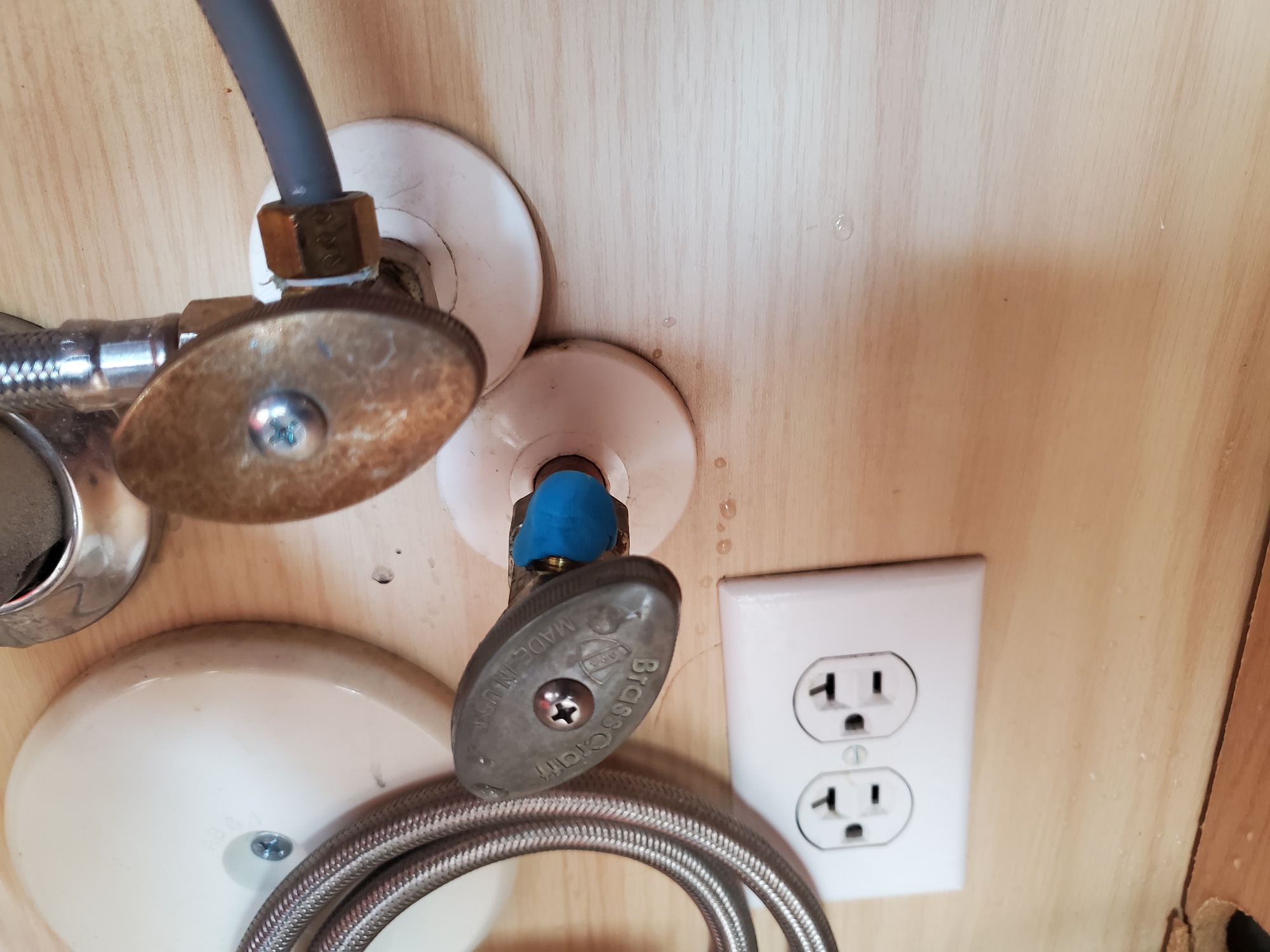
Common Causes Of Angle Stop Damage At Home
Age-related wear is a common cause of angle stop damage in homes with older plumbing systems. Metal fatigue and worn seats let water bypass seals and produce slow leaks that are hard to spot. Repeated minor leaks leave mineral deposits and brittle packing that weaken the valve body over time. A professional inspecting the valve will look for thinning metal, pitting, and stiff stems during diagnosis.
Mineral buildup from hard water often prevents a valve from seating properly and accelerates corrosion at joints. Scale can fuse moving parts so handles bind or turn unevenly, signaling internal damage. Technicians use simple tools like a pressure gauge and visual inspection to confirm whether deposits are the main issue. Homeowners in Montgomery, OH may notice white or dark rings under sinks where buildup has been active for months.
Mechanical damage from overtightening or improper installation can deform compression ferrules and damage threads. A leaking nut or cross-threaded connection usually shows visible stains, dampness, or soaked insulation nearby. Pros will check thread engagement, ferrule condition, and supply line attachment to decide between repair or full replacement. In Oakley, OH properties, repeated work on a fixture often causes this type of wear more than general age does.
Physical impacts, freezing temperatures, and vibration from nearby appliances also shorten valve life and cause stress fractures. Frozen pipes expand and can crack valve bodies or break seals when thawing occurs, so any history of freezing is a red flag. For leak prevention tips and methods to protect nearby finishes during work, consult the leak-proof plumbing guidance for practical steps. When a valve shows multiple failure signs or test readings confirm loss of seal, replacement is the safer long-term option.
Warning Signs That Require Prompt Action
Watch for sudden wet spots or pooling near the base of a valve, that often means an active leak that will worsen. A steady drip when the handle is closed signals the sealing surface has failed and needs immediate attention. If you hear hissing or notice water pressure loss at the fixture, the valve may not be fully stopping flow. In Montgomery, OH homes, these signs can quickly affect cabinets and finishes if left unchecked.
Stiff or crunchy handle movement is a strong cue that internal corrosion or mineral scale prevents proper seating. A handle that spins freely without changing flow indicates internal breakage or a detached stem. Visible rust, flaking metal, or white mineral crust near joints usually point to advanced deterioration. A technician will inspect these areas to decide on repair or full replacement.
Moisture stains, soft wood, or a musty odor under sinks are less obvious but important warning signs that action is required. These clues often mean slow leaks have been ongoing long enough to damage surrounding materials. A pro will use a moisture meter and visual checks to map the extent of affected finishes and structure. For regular checks that can catch these issues early, see the advice in our preventative maintenance guidance.
When multiple signs appear together, leaks, stuck handles, and visible corrosion, the valve’s reliability has likely failed and replacement is the safest choice. A plumber will confirm with pressure testing and a close inspection of the packing nut, seat, and supply line connections before proceeding. In Oakley, OH properties, recurring leaks at the same valve usually require swapping the unit rather than simple repair. Acting promptly reduces the risk of hidden water damage behind cabinets and under fixtures.
Tools And Materials Needed For Safe Replacement
For a safe angle stop replacement you need the right hand tools and materials before you begin work. A basic toolkit speeds the job and reduces the chance of accidental damage. Gather tools designed for plumbing to avoid rounded nuts and scratched finishes. Keep a small bucket and clean rags handy to protect cabinet surfaces and catch drips.
- Adjustable wrench sized to the valve nut.
- Slip-joint pliers for holding fittings steady.
- Tube cutter for copper supply lines when needed.
- Replacement valve with matching connection type.
- PTFE tape and joint compound for threaded seals.
Include materials that match the existing connection type and pipe material in your home. Compression ferrules, sweat fittings, or threaded adapters must match the line you remove. If unsure, bring the old valve to the supply store for a direct match to avoid misfit parts. Using the wrong fitting leads to leaks and extra work during reassembly.
Have diagnostic tools ready so you can confirm a leak-free result after installation. A small pressure gauge or a simple bucket test shows whether the new valve holds under household pressure. A moisture meter helps find hidden damp spots that could indicate ongoing issues. In Montgomery, OH properties, those checks help protect cabinets and finishes from unseen moisture damage.
Use safe shutoff and isolation steps while working and confirm the main supply location if needed. Know how to close the home or building water main before removing a valve to prevent uncontrolled flow. For help locating that control, see the water main shutoff guide for clear instructions and diagrams. In Oakley, OH homes, identifying the correct main stop prevents emergency water damage during replacement.
Step By Step Leak Free Angle Stop Replacement
Begin by closing the fixture valve and then the building main if the stop does not fully isolate the line. Place a bucket and towels under the work area to protect finishes and catch residual water. Loosen the packing nut slightly to relieve pressure and check for hidden corrosion near the connection before removing the valve. If you see active pitting or metal loss, consider a different mounting approach to protect surrounding materials.
Remove the old nut and ferrule or unsweat the joint using the appropriate cutter or torch technique for your pipe material. When separating threaded components, use two wrenches to prevent twisting the supply line and damaging nearby fittings. Inspect the pipe end and clean away mineral deposits that could prevent a good seal, see advice on recognizing underlying metal decay from the pipe corrosion underneath guide. If the pipe wall looks thin or compromised, pause and reassess before installing a new valve.
Fit the replacement unit matching the original connection type and position the ferrule or solder joint precisely to avoid misalignment. For threaded installs, wrap PTFE tape in the direction of thread engagement and tighten until snug without overtorquing to avoid cracking the valve body. Reattach the supply line and slowly open the building main while watching for drips at the packing nut and seat area. If you notice small leaks, tighten the compression nut incrementally to stop seepage without stressing the fitting.
After the valve is fully pressurized, exercise the handle several times to seat the mechanism and clear trapped air. Use a pressure gauge or a simple bucket test at the fixture to confirm there is no flow when the valve is closed. Check surrounding finishes and behind cabinets for hidden dampness with a quick moisture check, especially in Montgomery, OH homes where slow leaks damage cabinetry. If the new valve holds and no moisture appears, finish by protecting exposed fittings and documenting the work for future reference.
When repeat corrosion or thin walls caused the replacement, consider upgrading piping or relocating the valve to a more accessible position. A professional can evaluate whether a larger scope is appropriate, including new piping or a dedicated shutoff during a new plumbing installation. In Oakley, OH properties with recurring valve failures, that approach reduces the chance of future leaks and preserves nearby finishes. Keep photos and notes of the repair for any later inspections or warranty claims.
Troubleshooting During The Replacement Process
If you see a small drip after fitting the new valve, check the packing nut and compression seating before removing the valve. Use an adjustable wrench to give the packing nut a quarter turn and watch for changes at the stem and connection. A steady bead of water at the compression nut can mean the ferrule did not seat correctly, so slightly tightening while supporting the valve body often stops seepage. If tightening does not help, the ferrule or valve face may be damaged and need replacement.
When water sprays or the connection bursts into flow while pressurizing, close the building main immediately and catch any runoff with towels to protect finishes. Inspect the pipe end for pinholes, thin walls, or internal corrosion that could cause a sudden failure during reassembly. In such cases a professional will use a close visual inspection and may recommend cutting back to sound pipe or installing a repair coupling. Homeowners in Montgomery, OH should avoid patch repairs when metal looks compromised and call for a proper fix.
If you notice fluctuating fixture pressure after installing the new shutoff, check for trapped debris or partial blockage in the supply line or valve seat. A short flush of the line into a bucket before final connection can remove scale or solder residue that restricts flow. A professional diagnosing pressure issues will use a pressure gauge at the fixture and compare readings with the house main to confirm a localized restriction. For related causes like small leaks from nearby piping, review guidance on copper pinhole problems to understand how hidden corrosion can affect new fittings.
Handle stiffness after installation often comes from overtightened packing or debris caught in the stem, so back off the packing nut slightly and operate the handle to seat it. If the handle spins freely without changing flow, the stem may be broken internally, requiring a replacement valve. A plumber will verify this by isolating the valve, applying a pressure test, and observing for internal bypass past the seat. In Oakley, OH situations where valves are repeatedly failing, a more extensive pipe evaluation can uncover systemic causes behind repeated problems.
When To Call A Professional For Angle Stop Help
If you notice unpredictable leaks during or after work, call a plumber when basic fixes fail to stop visible flow. A professional will perform a controlled pressure test and inspect the valve, packing nut, and nearby pipe for hidden damage. They can also confirm whether the pipe wall is too thin to hold a new fitting safely. Homeowners in Montgomery, OH should act quickly when repairs do not hold to prevent finish damage.
- Severe spray or full flow during pressurization.
- Pipe wall shows obvious thinning or pinholes.
- Valve location is hard to access safely.
- Multiple nearby fittings leak after replacement.
If you feel uncertain about soldering, using a torch, or cutting back to sound pipe, request a professional inspection. A technician will use inspection lighting, a pressure gauge, and a moisture meter to diagnose the problem clearly. They can also test downstream fixture pressure to determine whether the issue is localized or systemic. For advice on consequences of ongoing drips and finish damage, review the risks of a persistent leak before deciding.
Call for help when you need a durable repair and want finishes protected from unintended water exposure. Pros can recommend alternative shutoff locations or install isolation fittings that reduce future risk to cabinets and walls. They will document findings and provide a repair plan with options for pipe replacement if corrosion is extensive. If repeat failures occur in Oakley, OH properties, a professional evaluation can identify broader piping issues needing correction.
Preventive Maintenance To Extend Valve Lifespan
Keep a simple inspection routine to catch slow deterioration before it forces emergency work. Check valve handles monthly for smooth operation and inspect tightness at the packing nut and supply connection. Wipe around the valve to remove mineral deposits and look for fresh dampness that signals a slow leak. If you find persistent staining or soft wood under the fixture, document it and consider further evaluation.
Exercise shutoffs periodically to prevent seized stems and packing collapse from inactivity. Turn the handle fully off and then back on a few times, moving slowly to avoid shocking the seat or supply line. After exercising, inspect for new seepage and test fixture flow to ensure full open and closed operation. Homeowners in Montgomery, OH should perform this simple check before guest seasons or winter freezes.
Use targeted fixes to extend service life when corrosion or scale is present without performing a full swap. Replace the packing or install a new compression nut and ferrule if the valve body and pipe wall look solid. For thin pipe walls, recurring pinholes, or larger cosmetic damage, consult a professional who can recommend repair or pipe replacement. Professionals can also perform controlled repairs or larger pipe work such as documented in the pipe repairs guidance when conditions require it.
Keep simple diagnostic tools on hand to confirm a problem early and avoid finish damage later. A small moisture meter, basic pressure gauge, and a bright inspection light help locate hidden dampness and verify sealing ability. If a quick check shows worsening corrosion or pressure loss, schedule a professional assessment rather than delaying repairs. In Oakley, OH properties with repeat issues, early diagnostics often prevent larger scope repairs and protect cabinets and finishes.

Frequently Asked Questions
When should I replace an old angle stop valve?
Replace an angle stop when it leaks, resists turning, shows corrosion, or weeps at the packing nut during normal use. Visible mineral buildup, slow drips, or a supply line that won’t depressurize after shutoff also indicate failure. If the valve is old and brittle or past repairs, plan for replacement to avoid water damage. Exercise caution with corroded fittings, contact a licensed plumber if soldered or seized parts pose a safety or damage risk.
What tools do I need for a safe angle stop replacement?
Gather an adjustable wrench, two basin wrenches, and a pair of slip-joint pliers to reach tight supply lines and angle stop nuts. Carry a small bucket, rags, and plumber’s tape to control drips and prep threaded connections. Bring replacement compression nuts and a spare copper or braided supply line matched to the fixture. If you see corrosion, active leaks, or feel unsure, stop and call a licensed plumber for safety and proper repair.
How can I protect cabinets and finishes during valve work?
Clear the area and remove small items from inside cabinets before starting to prevent accidental knocks or water damage. Lay down thick towels and a waterproof tray under the work area to catch drips and protect wood finishes. Use painters’ tape on edges and a soft padded block between tools and surfaces to prevent scratches during valve work. If you see corrosion, heavy rust, or feel unsure about leaks, stop and call a professional to avoid water damage or safety risks.
How does a pro diagnose a leaking shutoff valve?
A pro begins with a visual inspection for corrosion, mineral buildup, wetness, and softened nearby finishes that indicate a slow leak. They close the valve, pressurize the supply, and check the downstream fixture and supply line for continued seepage. Technicians use a small pressure gauge, flashlight, and sometimes a moisture meter to confirm internal seat or packing failure. If the valve shows internal leakage or extensive corrosion, the tech will recommend angle stop replacement and advise hiring a plumber to avoid water damage.
What are signs a repair won’t stop recurring leaks?
Persistent wet spots, new corrosion, or mineral buildup around the shutoff indicate a repair may not stop recurring leaks. If a repaired valve still moves or drips under normal pressure, the internal seat is likely compromised. Repeated failures after tightening or new leaks at solder joints suggest the wrong fix, consider a full angle stop replacement or supply-line swap. If you see active leaks or corrosion near finished surfaces, stop work and contact a licensed plumber to avoid water damage.