








Key Takeaways About Fixture Shutoff Valves
Local isolation devices that stop water to a single fixture and limit damage. This guide is for homeowners and property managers who want faster repairs and less water loss during leaks.
- Identify accessible valve locations near fixtures for quick shutoff.
- Prevent hidden placement behind cabinets or inside permanent trim.
- Avoid undersized valves that restrict flow and slow fixture refill.
- Spot corrosion stiffness or drips as signs a valve needs service.
- Reduce repair time by labeling valves and adding access panels.
- Plan valve material and bore size to match supply and demand.
Introduction
When a sink or toilet starts leaking, quick access to the right shutoff can keep damage small. Homeowners often find valves buried behind cabinets or stuck under flooring. Poor placement and wrong sizes slow repairs and increase water loss. In Montgomery, OH properties those delays can add up in cleanup and repair time.
Plumbing shutoffs that are hard to reach often lead to delayed action and larger stains or warped cabinets. Wrong valve size can restrict flow and complicate replacing fixtures later. Visible corrosion or persistent drips are common signs a valve needs attention. For some homeowners, a minor leak becomes an emergency overnight.
Decisions about where to put valves and which type to use affect how quickly a plumber can isolate a problem. Practical placement helps stop water at the source and limits the need to shut off the whole house. Professionals check supply lines, access panels, and shutoff orientation during inspections. These checks reduce the time it takes to diagnose and fix a leak.
In areas with older homes like Hyde Park, OH typical plumbing layouts may hide supply shutoffs behind walls or in tight chases. A short inspection with a pressure gauge and visual checks uncovers most access problems. If a valve shows signs of wear or leaks under light pressure, replacement is often the next step. Proper valve selection and placement minimize leak impact and speed repairs when they occur.
What Fixture Shutoff Valves Do And How They Work
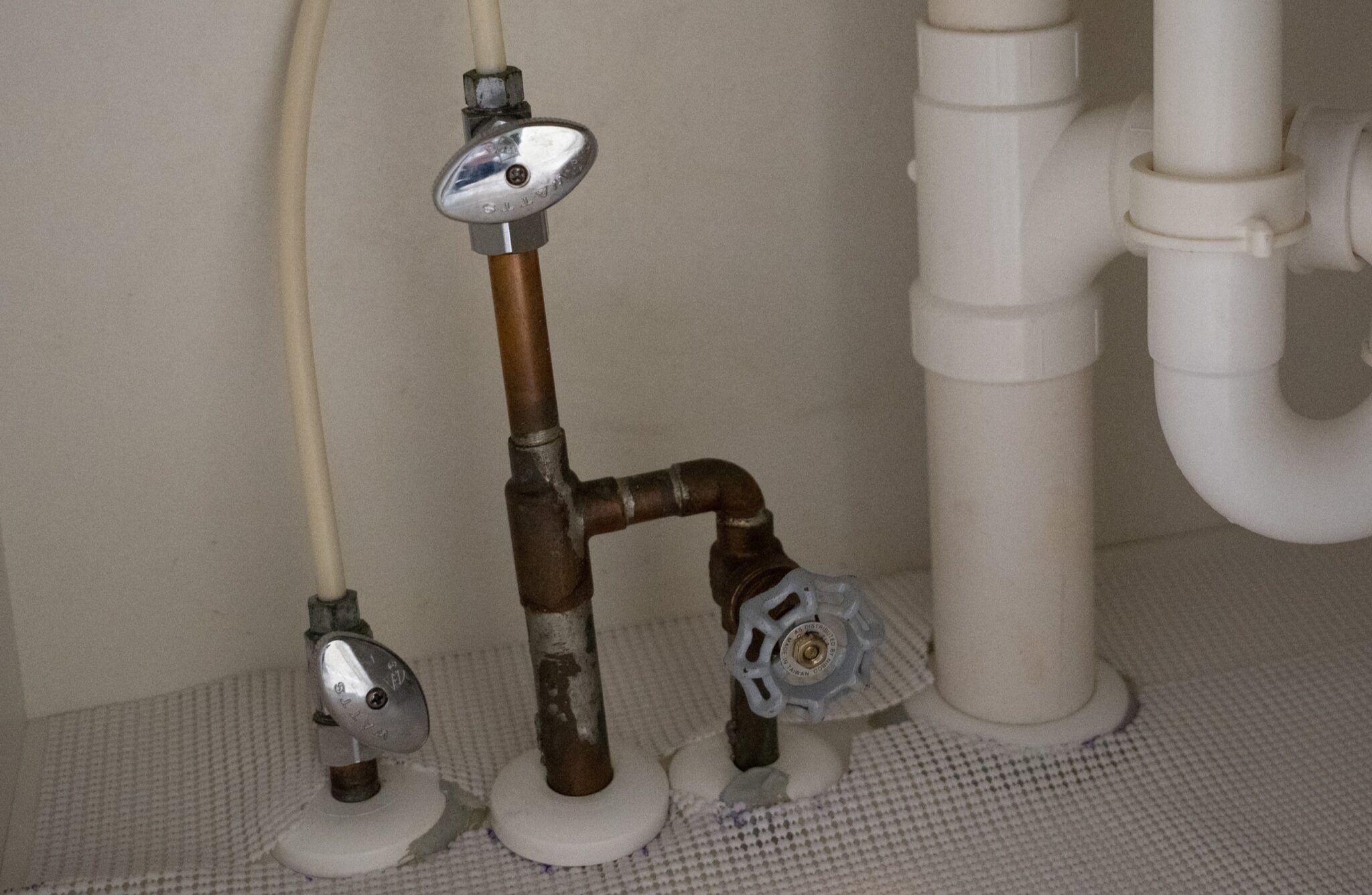
Fixture shutoff valves are the local valves that stop water to a single sink, toilet, or appliance. These valves sit between the home supply and the fixture supply line and let you isolate flow quickly. When a homeowner asks whether they can stop a leak without shutting the whole house off, the answer is usually yes if a serviceable valve is nearby. Valves reduce water loss and let repairs or replacements proceed with minimal disruption.
- They stop water to one fixture only.
- They allow pressure checks at the fixture connection.
- They let plumbers work without shutting the main supply.
- They can prevent water damage during minor leaks.
In operation, a quarter-turn ball valve turns 90 degrees to open or close flow with a single motion. Compression and sweat-stop valves seal at the connection to the supply line and require proper sizing to avoid flow restriction. A professional will confirm valve operation by closing and reopening it while checking pressure with a gauge at the fixture. If a valve leaks when closed, the packing nut or internal seat likely needs repair or replacement.
A homeowner can spot working issues by feeling for leaks, hearing hissing, or noticing slow fill times at fixtures. A common question is whether a stuck valve means a full replacement, a pro will test operation, check for corrosion, and measure downstream pressure before recommending replacement. For deeper troubleshooting steps, see the guide on valve troubleshooting basics which explains simple checks and observations you can make. That stepwise approach helps decide if a repair or swap is the right next move.
When diagnosing a problematic valve, a technician inspects the supply line, compression fitting, and valve body for visible damage or mineral buildup. They use a pressure gauge and may run a dye test in case of slow leaks or seepage around joints. In Hyde Park, OH and Montgomery, OH properties, cramped access or hidden fittings often change inspection steps and may require an access panel. After diagnosis, the technician documents readings and visible defects to recommend targeted repairs that limit water downtime.
Common Causes Of Valve Failure And Why It Happens
Valves fail for mechanical wear when internal seats and stems grind against mineral deposits from hard water. Corrosion attacks metal parts and can freeze moving components, causing leaks at the body or stem packing. A technician often finds brittle rubber seals or crumbled PTFE where age and water chemistry combine. In older supply runs, trapped sediments increase abrasion and wear on valve internals.
Improper installation speeds failure when fittings are over-tightened or when the valve type mismatches the pipe material. Strain from misaligned supply lines can bend compression fittings and loosen seals over time. A plumber diagnosing the problem will inspect the compression nut, check for alignment, and verify thread engagement. They may also remove the valve to inspect the seat and check for scoring or pitting on the ball or gate.
Thermal and pressure cycling also shorten valve life by stressing seals and solder joints during hot-water use or pressure spikes. Repeated expansion and contraction can let water seep past the stem packing or through marginal sweat connections. Professionals confirm these causes by measuring static and dynamic pressure with a gauge and by observing operation under load. When pressure fluctuation appears, they may trace the issue to a failing pressure-reducing valve or water hammer arrestor problems.
Physical damage from impact or trapped debris will lead to sudden failures and persistent drips that resist tightening. During an inspection, a technician uses a dye test and visual checks for seepage around joints and supply connections. For safe labeling and isolation practices after a diagnosis, homeowners can consult guidance on proper shutoff labeling to keep access clear during repairs. In Montgomery, OH and Hyde Park, OH properties, cramped spaces and hidden runs make early detection harder, so timely professional checks reduce surprise failures.
Recognizing Early Warning Signs Of Valve Problems
You might notice a slow, steady drip at a fixture or damp cabinetry before clear leaks appear. Listen for faint hissing or irregular sounds when nearby fixtures run, which can indicate internal seat wear. A sudden change in how quickly a toilet refills or a sink takes longer to fill suggests restricted flow past a partially closed or damaged valve. Inspect visible joints and supply lines for fresh mineral dust, small wet spots, or corrosion that appear with use.
Stiff or hard-to-turn handles are an early mechanical symptom and often precede leaks at the stem packing. A professional will test operation by cycling the valve while watching the supply connection for seepage and using a pressure gauge downstream. They also check for temperature-related stiffness by testing with both hot and cold supplies to identify thermal expansion problems. In some homes, hidden access or tight chase spaces complicate these checks and require targeted inspection.
Discolored water or flakes at the outlet can mean internal corrosion shedding particles into the line, which signals a failing internal surface. A plumber confirms this by removing the fixture supply line and inspecting the valve seat and ball for pitting or scale. They may run a brief flow test and capture readings to compare upstream and downstream pressure to find restriction points. For whole-house isolation concerns, homeowners should also verify the main shutoff location using a water main guide before isolating multiple fixtures.
For example, in a common situation, a homeowner hears a faint trickle behind a vanity and finds damp plywood at the base within days. A technician would check the compression nut, test valve closure, and use a small dye test if seepage is slow and hard to see. In Montgomery, OH properties, delayed access can let damage spread behind cabinetry if the issue goes unnoticed. Early detection and clear documentation of symptoms help pros recommend repair or replacement with minimal disruption.
Proper Placement Principles For Quick Isolation
Place isolation valves where a homeowner or technician can reach them without removing cabinetry or cutting drywall. Position valves on the visible supply stub under sinks and behind toilets where the connection meets the fixture. Keep handles oriented so they turn freely and are not blocked by supply lines or trap assemblies. If valves sit low, add a small access panel for quick reach during repairs.
- Mount valves on the supply stub near the fixture.
- Avoid placing valves behind permanent trim or heavy shelving.
- Face handles outward for easy quarter-turn access.
- Label valves clearly near the fixture connection.
Run shutoff outlets in straight, short runs to avoid strain on compression fittings and reduce leak risk. Use a short flexible supply line rather than bending rigid tubing into tight angles that stress fittings. Leave a few inches of clearance below the valve so a wrench fits during replacement or testing. Proper orientation also makes it easier to confirm closure with a pressure gauge at the fixture.
Place a visible valve on both hot and cold lines when possible to isolate one supply without disturbing the other. This reduces water loss and speeds work when a single side needs maintenance or replacement. In multi-connection fixtures, add shutoffs at each branch to limit the area affected by a leak. For complex runs, professionals may install an access panel to reach valves hidden within chases.
When deciding placement, a technician checks for accessibility, clearance, and downstream shutoff function during inspection. They will cycle the valve while watching the supply connection and use a pressure gauge for downstream readings. For homeowners in Hyde Park, OH and Montgomery, OH properties, clear placement reduces repair time and limits water damage. Learn more about valve types and practical choices in the guide on best plumbing valves.
Sizing Fixture Shutoff Valves For Optimal Flow
Start by matching valve bore size to the supply line and fixture demand to avoid flow restriction during use. A professional often measures the supply pipe diameter and notes fixture flow rate before recommending a valve size. Undersized internal passages can slow faucet flow and prolong fixture refill times, so size matters for performance. During inspection, a plumber may record supply diameter and pressure readings to confirm appropriate valve selection.
For most residential sinks and toilets, valves with a full-port or near-full-port design keep pressure loss minimal while remaining compact. These valves let a replacement cartridge or stem pass without reducing downstream flow excessively. Technicians compare measured downstream pressure to upstream readings to spot restriction from a valve. If readings show a significant pressure drop, they test with a larger-bore valve to verify improved flow.
When multiple fixtures share a branch, choose valves whose rated flow supports combined demand to prevent slow filling when two fixtures run simultaneously. A pro calculates likely concurrent flow and may recommend larger or multiple isolations to balance supply. They will use a flow meter or timed volume test to estimate gallons per minute during peak use. This diagnostic step confirms whether a single valve needs upsizing or if additional branch shutoffs would help.
Material and internal design affect usable bore size, so consider compact ball valves and full-bore gate valves based on space and serviceability. Technicians inspect the valve body and measure the internal passage when assessing restrictions, sometimes removing the valve for direct measurement. They also check the supply line, flexible hose, and fixture inlet sizes to ensure the entire flow path matches. For more on choices that control flow without causing turbulence, consult guidance on flow control valves.
For homes in Hyde Park, OH and Montgomery, OH, a clear diagnostic report helps decide if replacing a valve or upsizing the supply is best for long-term performance. A technician documents pressure readings, flow measurements, and visible conditions before recommending the change. Homeowners receive simple options with likely outcomes and the expected effect on fixture performance. When in doubt, contact a professional to confirm measurements and next steps safely.
Materials And Styles For Long Lasting Performance
Brass and stainless steel remain reliable choices for valve bodies because they resist corrosion and withstand thermal cycling without rapid deterioration. Modern PEX-compatible fittings use polymer seats designed for long service life when paired with flexible tubing, but avoid mixing incompatible metals that can cause galvanic corrosion. A professional inspects the valve body and nearby fittings for dissimilar metals and may recommend dielectric unions to prevent electrochemical wear. For homeowners, choosing materials that match the supply line reduces the chance of premature failure and leaks.
Style matters as much as material: quarter-turn ball valves give clear open or closed positions and allow quick isolation during emergencies or repairs. Multi-turn stop valves still appear in older homes and can allow finer adjustment, but they take longer to operate and wear the stem threads over time. Compression-style bodies are easy to replace in tight spaces and work well with copper or CPVC runs when installed correctly. When selecting a style, consider future access and how a technician will remove or service the valve.
For appliances and fixtures with higher flow needs, choose full-bore or full-port options to avoid pressure loss while maintaining a compact footprint. Cartridges and replaceable seats allow in-place servicing so a technician can swap internal parts without removing the whole valve body. A professional diagnosing a problem will remove the supply line and check the internal passage and seat condition, using a pressure gauge to confirm any restrictions. These choices matter for fixtures like tubs and utility sinks where flow and serviceability both matter.
Installation details influence longevity as much as materials and style, so proper seating, thread sealing, and alignment reduce stress on fittings and packing. During a diagnostic visit, a plumber may test valve operation, inspect solder joints or compression nuts, and record pressure readings before recommending a replacement type. For planned appliance connections, refer to guidance on appliance water hookups planning to match valve selection to expected use. Homeowners in Hyde Park, OH and Montgomery, OH often benefit from documenting material choices and valve styles for future maintenance or upgrades.
Preventive Maintenance Steps Homeowners Can Perform
Start with a visual check of each local isolation valve for wetness, mineral deposits, or loose fittings around the nut. Turn handles gently to confirm smooth quarter-turn operation and note any stiffness or grinding that suggests internal wear. Use a small flashlight to inspect hidden areas under sinks and behind toilets where slow seepage often starts. If you find active drips, shut the valve and prepare notes for a technician including location and observable damage.
- Cycle each valve once a quarter.
- Wipe and dry around fittings after inspection.
- Listen for hissing when valves are partially closed.
- Record valve age and condition on a simple list.
- Keep a small wrench nearby for emergency turn-off.
Perform a simple operational test by closing a valve and checking downstream flow at the faucet or fixture for complete isolation. Attach a pressure gauge at the fixture if you have one to confirm no measurable pressure passes when closed. Avoid forcing any seized stem, instead, note it and call a professional to prevent breakage. Regular cycling reduces seizure risk and highlights valves that need replacement before they fail in an emergency.
Inspect supply hoses and flexible connectors where they meet the isolation fitting for bulging, cracking, or corrosion that suggests pending failure. Replace any braided or polymer hose showing wear with compatible materials matched to the valve type and supply line. Keep a basic replacement hose and a shutoff wrench in a labeled drawer for quick fixes between service calls. These small preparations cut water loss and let a plumber work with minimal delay.
Schedule a yearly check where you document valve condition, operation, and any minor leaks to track deterioration over time. A professional can confirm findings during a diagnostic visit and use a pressure gauge and dye test to pinpoint slow seepage. For guidance on making connections more durable, review practical tips in our leak-proof plumbing resource before replacing parts. Homeowners in Hyde Park, OH and Montgomery, OH will find that simple maintenance reduces emergency service time and limits damage when failures occur.
When To Call A Professional For Valve Issues
If a valve sticks when you try to close it during an inspection, stop forcing it and contact a plumber. A technician will isolate the branch and use a pressure gauge to confirm whether the valve seals under load. They may remove the supply hose to inspect the seat and packing for visible corrosion or sediment that prevents a full shutoff. For persistent seepage hidden behind cabinets, a professional often recommends cutting an access panel to limit damage and speed repairs.
When you discover unexplained dampness or a recurring wet spot, call a pro to rule out a concealed supply leak before replacing visible parts. A plumber will perform a dye test and check downstream fittings with a moisture meter to locate slow leaks that escape casual inspection. They also trace the supply run to confirm there are no secondary shutoffs upstream that affect isolation. In cases where hidden leakage reaches structural elements, professionals document findings for repair planning and insurance needs.
Rapid pressure loss when multiple fixtures are off but the meter still runs indicates a supply-side failure that requires professional diagnosis. The technician will attach a pressure gauge at the main and at fixture outlets to map pressure drops and identify whether a branch valve or the main is leaking. They may also check the pressure-reducing valve or backflow device if readings suggest system-wide issues. For homeowners in Hyde Park, OH small signs like wet baseboards or musty odors often point to these less obvious supply failures.
If a valve replacement requires soldering, brazing, or cutting supply tubing, hire a licensed plumber to ensure proper seal and code-compliant connections. A professional uses appropriate tools and may install an access panel or replace adjacent fittings to prevent future leaks during service. When multiple valves show age-related wear, a technician can propose a staged replacement plan that minimizes outage time and expense. For properties in Montgomery, OH where hidden runs exist, coordinated professional repairs reduce repeat visits and limit water damage.

Frequently Asked Questions
Where should fixture shutoff valves be placed for fastest access?
Place shutoffs as close to the fixture as practical, typically under sinks, behind toilets, and near lavatory supply lines. Installing angled or straight-stop valves on the fixture supply makes isolation quick during a leak. Ensure valves remain accessible, not boxed behind cabinets or buried in walls, so you can turn them without tools. If you find corroded, stiff, or leaking valves, exercise caution and call a licensed plumber to avoid water damage and ensure proper replacement.
How do I choose the right valve size for a sink or toilet?
Match the shutoff to the fixture’s supply line diameter, typically 1/2-inch for sinks and 3/8-inch for modern toilet supply tubes. Choose valves with matching compression or threaded connections to avoid adapters that can leak. If you see corrosion, heavy calcification, or high water pressure, replace the valve and consult a professional to reduce risk. A plumber can confirm pipe size, test pressure with a gauge, and recommend a compatible angle or straight valve for reliable service.
What are signs a local isolation valve needs replacing?
Look for persistent drips or visible corrosion at the valve body, which indicate internal wear or seal failure. If the handle feels stiff, leaks when moved, or won’t fully shut off, the valve likely needs replacement. Wetness or water stains under cabinets, soft wood, or mold growth show slow leaks that can worsen over time. If you suspect a failing valve or face high pressure, use caution and contact a licensed plumber to inspect and replace it.
Can fixture shutoff valves stop leaks without shutting the main?
Yes, local shutoffs at sinks, toilets, and appliances often let you stop water to one fixture without closing the main. A functioning angle stop or quarter-turn valve isolates the supply line to limit water flow and reduce damage. If a valve is stiff, leaking, or missing, a plumber can confirm isolation with a pressure gauge and visual inspection. If you see active leaks, significant water flow, or corrosion, shut the main and call a professional for safety and repair.
How does a pro confirm a valve seals under pressure?
A pro closes the valve, pressurizes the supply by turning on the main, and watches for drops on a pressure gauge attached to the line. They inspect visible connections, supply lines, and the fixture for drips or wetness around joints. If leak risk or trapped water could cause damage, the technician stops work and recommends shutting off the main and draining lines, advising a professional to proceed. Finally they cycle the handle and repeat the pressure check to confirm the shutoff seals reliably under normal operating pressure.