






When planning a kitchen or laundry room renovation in Montgomery, OH, considering appliance water hookups is crucial for a seamless operation. These hookups ensure that your refrigerators, washers, and dishwashers receive a safe and reliable water supply. Proper planning not only prevents potential water damage but also ensures that your appliances function efficiently. It’s about making sure your home works for you, without the worry of leaks or water pressure issues.
Hyde Park, OH, residents know the importance of a well-thought-out plan for appliance water hookups. This planning includes understanding the location of water shutoff valves, which is essential for emergency situations or when repairs are needed. By knowing where these valves are, you can quickly prevent a minor issue from becoming a major problem. It’s an essential step in safeguarding your home against water damage.
In Oakley, OH, homeowners often consider the aesthetics of their appliance placements, but the practicality of water hookups is equally important. The right setup ensures that your appliances are not only accessible but also maintain the integrity of your home’s plumbing system. This means fewer worries about the logistics of water lines and more time enjoying your home’s functionality. It’s a balance of form and function, where practicality meets design.
Choosing the right professionals for installing appliance water hookups can make all the difference in your Montgomery, OH, home. Experts ensure that your water lines are installed correctly, with high-quality materials that last. They understand the local building codes and can navigate the complexities of your home’s plumbing system. With their help, you can rest easy knowing your kitchen and laundry room are prepared for the demands of daily use.
Understanding Appliance Water Hookups
Understanding the intricacies of appliance water hookups begins with recognizing the types of appliances that require a direct water line. Refrigerators with ice makers, dishwashers, and washing machines are the primary appliances needing dedicated water hookups. Each appliance demands a specific type of water line and shutoff valve for safe and efficient operation. Proper installation ensures that your appliances have a consistent water supply, enhancing their performance and longevity.
In Hyde Park, OH, homeowners often face the challenge of integrating these hookups into existing plumbing systems. This task requires a detailed assessment of your home’s water lines and the strategic placement of new pipes and shutoff valves. By carefully planning these additions, you can avoid unnecessary disruptions and ensure a smooth integration with your home’s aesthetics. It’s about finding the perfect balance between functionality and design, ensuring that your kitchen or laundry room meets both your practical and visual standards.
Meanwhile, in Oakley, OH, the focus shifts towards the preventive aspect of appliance water hookups. Installing easily accessible shutoff valves becomes a priority to quickly address any potential leaks or issues. This foresight can significantly minimize water damage risks, safeguarding your home and belongings. It’s a proactive approach that emphasizes the importance of preparedness in maintaining a safe and efficient home.
Choosing the right materials for your appliance water hookups is equally crucial. High-quality pipes and fittings can withstand the demands of daily use and resist wear and tear. Experts in Montgomery, OH, recommend using materials that meet or exceed local building codes. This not only ensures a durable installation but also peace of mind, knowing that your appliance water hookups are built to last.
Planning Your Kitchen Water Supply Lines
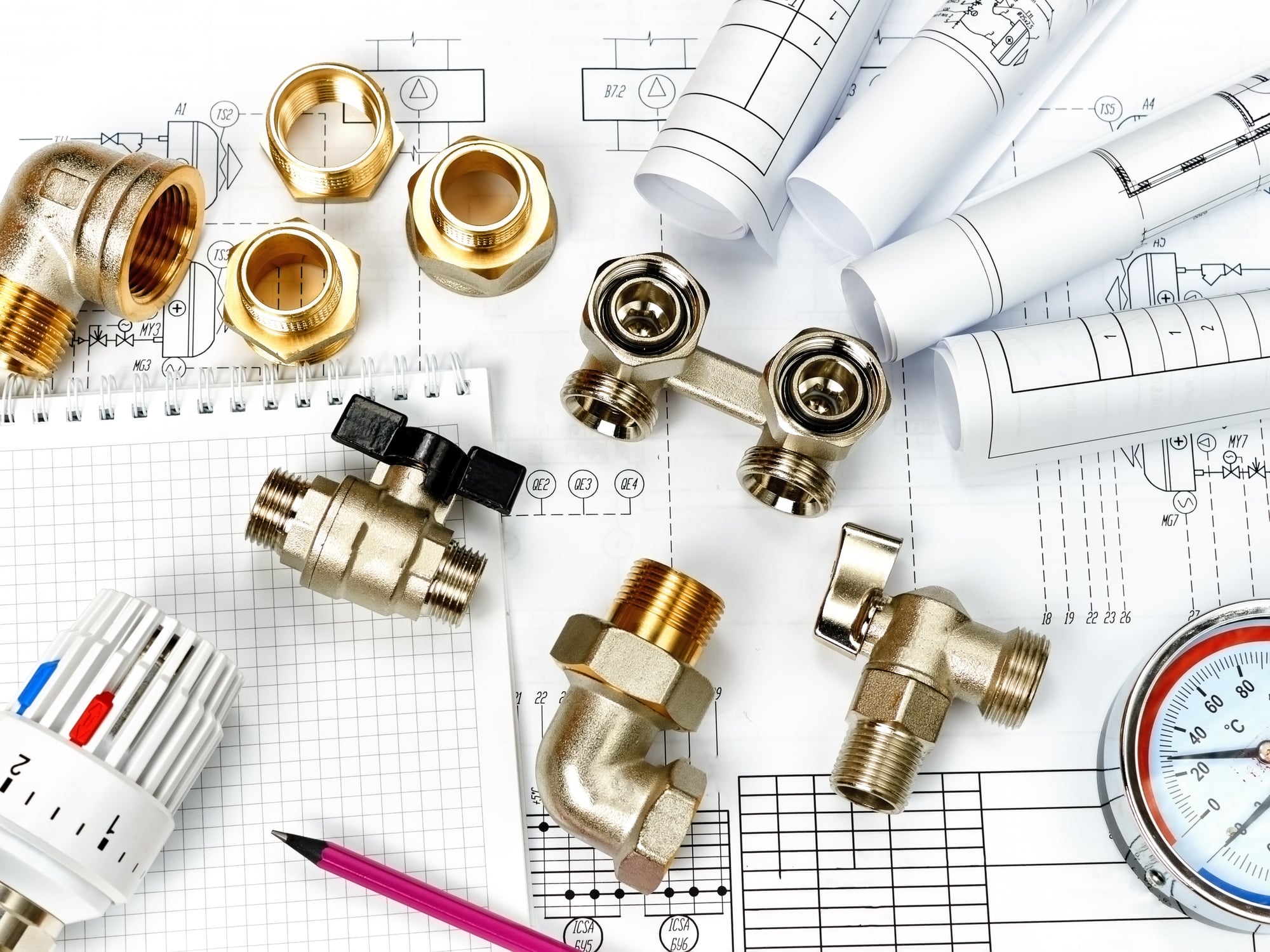
When planning your kitchen or laundry room renovations, it’s essential to include appliance water hookups in your design. These hookups are vital for the functionality of your appliances, ensuring they receive an uninterrupted water supply. This step not only enhances the efficiency of your appliances but also contributes to the overall value of your home in Montgomery, OH. By incorporating these elements from the start, you can avoid future hassles and enjoy a more streamlined home.
In Hyde Park, OH, homeowners should consider the layout of their kitchen and laundry room when planning water supply lines. The placement of appliances should allow for easy access to water lines and shutoff valves, facilitating maintenance and emergency responses. Strategic planning in this phase can prevent potential water damage and simplify future renovations or repairs. It’s a proactive approach that ensures both the safety and functionality of your home’s water system.
For residents in Oakley, OH, it’s important to consult with plumbing professionals during the planning stage. These experts can offer valuable insights into the best practices for installing appliance water hookups, tailored to your specific needs and the layout of your home. Their expertise ensures that your plumbing system is efficient, compliant with local codes, and capable of supporting your appliances for years to come. Leveraging their knowledge can save you time and money, making your renovation project a success.
Finally, when planning appliance water hookups, choosing the right materials is crucial. High-quality pipes and fittings not only ensure a reliable water supply but also minimize the risk of leaks and water damage. In Montgomery, OH, selecting materials that meet the highest standards can significantly enhance the longevity and performance of your appliances. This attention to detail during the planning phase lays a solid foundation for a functional and efficient kitchen or laundry room.
Essential Tools for Installing Appliance Water Hookups
Having the right tools for installing appliance water hookups is vital to ensure a secure and efficient setup in your Montgomery, OH, home. A pipe cutter, for instance, allows for precise cuts, making it easier to fit pipes accurately in tight spaces. Teflon tape is another essential, providing a watertight seal at threaded joint connections, preventing leaks. These tools, along with a wrench for tightening fittings, are fundamental for a successful installation.
In Hyde Park, OH, a reliable water pressure gauge is indispensable for checking the pressure in your water lines. This step is crucial before connecting new appliances to avoid potential damage from high pressure. A soldering iron may also be necessary for securely joining copper pipes, ensuring a durable connection that lasts for years. With these tools, homeowners can feel confident in their ability to maintain a safe water supply system.
Residents in Oakley, OH, should not overlook the importance of a level when installing appliance water hookups. Ensuring that your appliances and water lines are perfectly level prevents uneven water flow and potential strain on your system. Additionally, an adjustable wrench becomes invaluable for fitting different sizes of nuts and bolts, making it a versatile tool in your plumbing kit. These tools contribute significantly to a smooth and efficient installation process.
Lastly, investing in a high-quality tubing bender can save time and preserve the integrity of your pipes during installation. This tool allows for smooth bends in the piping, avoiding kinks that can restrict water flow to your appliances. Coupled with a stud finder to locate secure mounting points for water lines, these tools equip homeowners with everything needed for effective appliance water hookups. By having the right tools on hand, you ensure a reliable and long-lasting water supply for your appliances.
Step-by-Step Guide to Fridge Water Hookup Installation
Installing a fridge water hookup in Montgomery, OH, starts with turning off the main water supply to ensure safety. Next, locate the nearest cold water pipe to where the fridge will sit. You will need to attach a saddle valve to this pipe by carefully following the manufacturer’s instructions. This step is crucial for creating a new water source for your refrigerator.
Once the saddle valve is in place, run a flexible water supply line from the valve to the back of the fridge. In Hyde Park, OH, it’s important to choose a durable water line that can handle the pressure and last for years. Make sure the line is long enough to allow for movement when pulling the fridge out for cleaning or service. Secure the line to the fridge’s water inlet valve, tightening it by hand to avoid stripping the threads.
After connecting the water line, slowly turn the water supply back on and check for leaks at all connections. In Oakley, OH, residents know that catching leaks early can prevent water damage and save on costly repairs. If everything is dry, plug in the refrigerator and push it back into place, being careful not to crimp the water line. This step ensures your fridge is ready to make ice and dispense water.
Finally, monitor the fridge water hookup for a few days to ensure there are no slow leaks. It’s a good practice to check the area around and under the fridge periodically, especially after moving or servicing the appliance. By following these steps, you can enjoy the convenience of chilled water and ice without worry, keeping your kitchen efficient and your appliances in top condition.
Installing Water Lines for Your Dishwasher
Installing water lines for your dishwasher is a critical step towards ensuring your kitchen appliances are fully functional. First, you need to locate the existing water supply line under your kitchen sink. This is where you’ll typically connect your dishwasher’s water supply line. By doing this, you ensure that your dishwasher has a steady and reliable source of water, crucial for its operation.
In Hyde Park, OH, it’s important to use a high-quality water supply line that can withstand the demands of a dishwasher. After connecting the line to the water supply, secure it to the dishwasher’s water inlet. This process requires precision to avoid leaks that could lead to water damage or appliance malfunction. Ensuring a tight and secure connection will keep your kitchen running smoothly.
Residents in Oakley, OH, know the importance of installing a shutoff valve for the dishwasher’s water supply. This valve allows you to easily turn off the water to the dishwasher without affecting the entire home’s water supply. It’s a safety feature that also makes maintenance and repairs more convenient. Having this control can save time and prevent water-related issues down the line.
Finally, after connecting everything, it’s essential to test the dishwasher to ensure there are no leaks and that it operates correctly. Slowly turn on the water supply and watch for any signs of leakage at the connections. If everything remains dry and the dishwasher runs as expected, you’ve successfully installed your appliance water hookups. This not only adds to the efficiency of your kitchen but also enhances the longevity of your appliances.
Laundry Room Appliance Water Hookups Explained
When planning for laundry room renovations in Montgomery, OH, appliance water hookups are essential for the smooth operation of washing machines and dryers. These hookups provide your laundry appliances with a necessary water supply, ensuring they work efficiently and effectively. It’s important to consider the placement of these appliances, as it affects the complexity and accessibility of the installation process. Properly positioned hookups can significantly reduce the risk of water damage and improve the functionality of your laundry room.
In Hyde Park, OH, homeowners should prioritize the installation of shutoff valves for their laundry room appliances. These valves offer a quick and easy way to cut off the water supply in case of leaks or maintenance needs. Installing them in accessible locations ensures that you can promptly address any issues without having to disrupt the entire home’s water supply. This proactive measure adds an extra layer of security to your home, safeguarding against potential water damage.
Additionally, residents in Oakley, OH, understand the importance of using high-quality materials for appliance water hookups. Durable pipes and fittings resist wear and tear, ensuring a long-lasting and leak-free connection for your laundry appliances. By choosing materials that meet or exceed local building codes, you can rest assured that your laundry room is equipped to handle the demands of daily use. This attention to detail not only enhances the longevity of your appliances but also contributes to the overall efficiency of your laundry room.
Finally, after completing the installation, it’s crucial to thoroughly test the laundry appliances to ensure there are no leaks and that they are operating correctly. Slowly turn on the water supply and observe the connections for any signs of leakage. If everything remains secure and dry, your laundry room is set for optimal performance. By following these steps, you can enjoy the convenience and efficiency of your laundry appliances, knowing they are safely and effectively hooked up.
Troubleshooting Common Water Hookup Issues
Even with careful planning and installation, appliance water hookups in Montgomery, OH, can encounter issues. One common problem is leaks, which often result from loose connections or wear and tear on water lines. To address this, first, ensure all connections are tight and inspect hoses for any signs of damage. Replacing worn parts promptly can prevent water damage and maintain the efficiency of your appliances.
In Hyde Park, OH, homeowners might face issues with water pressure affecting their appliances’ performance. Low water pressure can hinder the effectiveness of dishwashers and washing machines, leading to unsatisfactory cleaning results. Installing a water pressure regulator can help maintain a consistent flow, ensuring your appliances operate as intended. This simple adjustment can make a significant difference in appliance functionality.
Residents in Oakley, OH, may notice that their refrigerators’ ice makers or water dispensers are not working correctly. This issue could stem from a clogged water filter or an improperly installed water line. Checking the filter and replacing it if necessary, or ensuring the water line is free from kinks and securely connected, can often resolve these problems. Regular maintenance checks are key to keeping everything running smoothly.
Lastly, when troubleshooting appliance water hookups, it’s crucial not to overlook the importance of the shutoff valves. If an appliance suddenly stops receiving water, the shutoff valve may have been accidentally turned off or malfunctioned. Ensuring these valves are accessible and in working order allows for quick fixes without needing to cut off the home’s entire water supply. This proactive approach can save time and prevent frustration, keeping your home’s water system in top condition.
Maintenance Tips for Appliance Water Hookups
To keep your appliance water hookups in Montgomery, OH, functioning well, regular maintenance is key. Start by inspecting your water lines and connections every few months to catch any potential issues early. Look for signs of wear or damage, such as cracks or corrosion on the pipes. Addressing these problems promptly can prevent leaks and other complications that might disrupt the operation of your appliances.
In Hyde Park, OH, it’s advisable to clean your appliances’ water filters regularly. Over time, these filters can become clogged with debris, reducing water flow and affecting appliance performance. By simply removing and rinsing the filter under running water, you ensure a clean and efficient water supply. This easy step can significantly enhance the longevity and efficiency of your appliances.
For residents in Oakley, OH, testing the water pressure to your appliances can reveal a lot about your plumbing system’s health. If you notice a sudden drop in water pressure, it might indicate a leak or blockage in your water lines. Using a water pressure gauge, you can monitor these levels and take corrective action if necessary. Keeping the water pressure within the recommended range ensures your appliances operate smoothly.
Lastly, familiarizing yourself with the location and operation of shutoff valves is crucial. Knowing how to quickly turn off the water supply in an emergency can save you from potential water damage. Make it a habit to check these valves periodically to ensure they are working correctly. This preventative measure adds an extra layer of security, keeping your home and appliances safe.
Frequently Asked Questions About Appliance Water Hookups
What are appliance water hookups?
Appliance water hookups are connections that supply water to your kitchen and laundry room devices. These include fridges with ice makers, dishwashers, and washing machines. Proper installation ensures these appliances receive a safe and continuous water supply. Planning for easy access to shutoff valves is also crucial for maintenance and emergencies.
How to plan for kitchen hookups?
When planning for kitchen appliance water hookups, start by mapping out where appliances will go. This helps ensure each device has a nearby water source and shutoff valve. Consider the layout of pipes to avoid unnecessary bends or extensions. Lastly, always consult with a professional like Halpin Plumbing to guarantee a safe and efficient installation.
Can I DIY appliance water hookups?
Attempting DIY appliance water hookups might seem like a way to save money, but it can lead to costly mistakes. Without the right tools and knowledge, you risk leaks and water damage. Professionals like Halpin Plumbing ensure a safe, efficient setup and peace of mind. It’s best to rely on experts for such critical tasks to protect your home.
What tools are needed for installation?
For appliance water hookups, professionals use specific tools to ensure a secure fit. These include wrenches, pipe cutters, and Teflon tape for sealing connections. A drill might be necessary for creating access points for new lines. Trusting experts like Halpin Plumbing means these tools are used effectively for a leak-free installation.
Are appliance water hookups universal?
Appliance water hookups are not one-size-fits-all. Different appliances require unique fittings and hose sizes to connect safely to your home’s water supply. For example, dishwashers and washing machines may need specific valves. Always consult with professionals like Halpin Plumbing to ensure compatibility and a secure installation.