








Key Takeaways About Toilet Flange Replacement
A toilet flange replacement is the process of removing a damaged flange and installing a new flange and seal to stop leaks and stabilize the toilet. This guide is for homeowners and property managers who notice wobble, moisture, or odors and need clear steps and when to call a pro.
- Identify visible cracks corrosion or flange misalignment early.
- Prevent seal failure by checking flange height and flatness.
- Avoid hidden rot by using a moisture meter during inspection.
- Spot movement or loosened bolts when sitting on the toilet.
- Reduce leak risk with proper seal choice and even bolt tightening.
- Plan professional help for cast iron pipe or structural damage.
Introduction
A wobbly toilet base, slow leaks at the floor, or a persistent sewage smell often point to a failing flange. Homeowners in Montgomery, OH regularly call about water damage that started at the toilet flange and spread to flooring. A damaged flange lets water escape and allows the toilet to rock, which stresses bolts and seals. Addressing the flange prevents larger repairs to subfloor and finished floors.
Deciding when to replace a flange matters because small leaks become hidden rot over time. Visible corrosion, cracked plastic, or a flange sitting above or below the finished floor usually means replacement. Loose toilet bolts or movement when you sit are clear household signs to inspect. Left unchecked, leaks can cause mold, odors, and structural decay under floor coverings.
Replacing a flange requires the right tools, parts, and careful sealing to stop leaks for good. Professionals check the wax ring, closet flange, supply line, shutoff valve, and floor condition before recommending replacement. A solid flange restores a consistent seal and keeps the toilet stable during normal use. Proper flange height relative to the finished floor is a key detail that influences the seal’s durability.
For properties near Hyde Park, OH small differences in floor height or older flange materials are common inspection findings. A trained plumber will use visual inspection, a moisture check around the base, and remove the toilet to confirm flange damage. If the flange is cracked, corroded, or pulling away from the pipe, replacement is often the most reliable fix. When leaks threaten flooring or indoor air quality, contact a licensed plumbing professional rather than attempting risky repairs.
What A Toilet Flange Does And How It Works
A toilet flange is the circular fitting that anchors the toilet to the drain pipe and seals waste flow to the sewer. It centers the toilet over the drain and holds the toilet bolts that secure the fixture to the floor. The flange provides the surface where the wax ring or alternative seal compresses to stop leaks. Without a solid flange, the toilet can move and the seal can fail, creating odors and water damage.
- Connects the toilet to the waste pipe.
- Holds the toilet bolts in place.
- Supports the toilet’s weight on the floor.
- Provides the mating surface for the wax ring.
The flange sits on top of or slightly below the finished floor and must align with the drain pipe. If it sits too low, the wax ring may not compress properly and leaks can form. If it sits too high, the toilet may rock and the seal can shear when weight shifts. Homeowners often ask whether flange height matters, and the answer is yes because proper height ensures a durable mechanical seal.
Materials for flanges include PVC, ABS, cast iron, and brass, each with different failure modes and repair methods. Plastic flanges crack or strip easily, while metal flanges can corrode or warp over time. A professional inspecting the flange will check bolt alignment, flange flatness, and how the flange mates to the pipe and floor. They may also remove the toilet and examine the wax ring condition linked to common wax ring issues.
To diagnose flange problems, a plumber watches for movement, inspects for visible cracks, and tests for leaks with a moisture check around the base. They will loosen the toilet bolts and rock the toilet to feel play and watch for water seeping at the flange joint. A follow-up step is removing the toilet to view the flange face and confirm if it needs replacement or can be repaired. If structural rot exists under the flange, the subfloor condition often dictates a larger repair scope.
Common Causes Of Flange Damage And Why It Happens
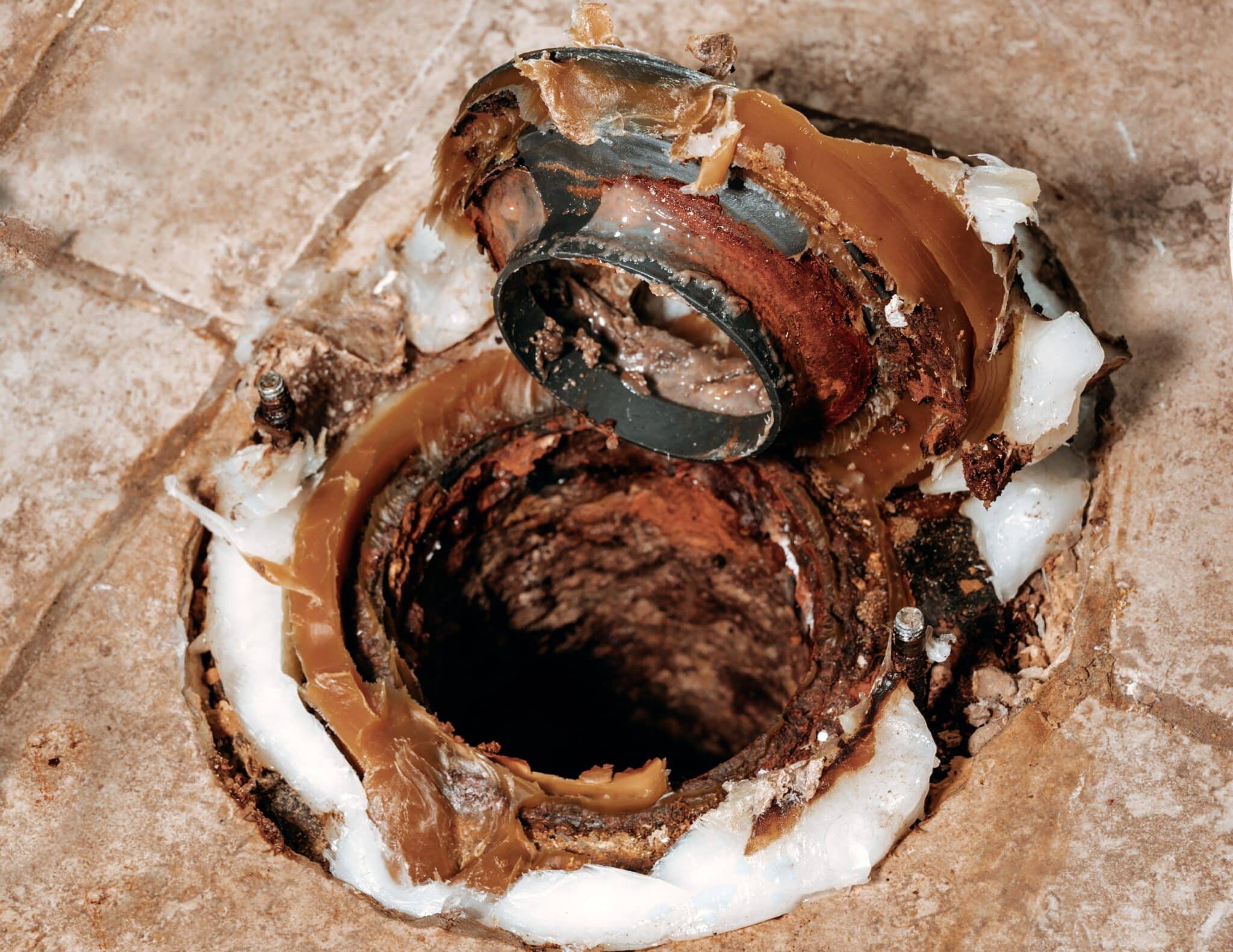
Old flange materials fail for predictable mechanical reasons that homeowners can spot during inspection. Plastic flanges often crack where bolts sit, especially after repeated torque from a rocking toilet. Metal flanges corrode where moisture reaches the joint between flange and pipe, which can make the flange brittle or warped. Subfloor movement or rot allows the flange to pull away from fasteners and lose its secure seating.
Improper installation causes another common set of failures that a homeowner should recognize. A flange seated too low or too high shifts pressure onto the wax ring instead of the flange, increasing wear and stress. Over-tightening the toilet bolts strips plastic threads or cracks the flange, while undersized fasteners let the toilet move during use. Floor covering changes, like new tile or thicker flooring, can leave the flange at the wrong height and cause premature seal failure.
External factors also contribute to flange damage over time and deserve attention during inspections. Continuous moisture from a small leak or poor bathroom ventilation speeds up corrosion and wood rot below the flange. Chemical cleaners that splash onto metal parts can accelerate rust where the flange mates to the pipe. Impact or shifting from heavy loads or dropped tools can bend or fracture the flange ring and distort bolt alignment.
Professionals diagnose flange failure using observable clues and hands-on checks before recommending replacement. They look for movement when the toilet is rocked and inspect the flange face after removing the toilet to spot cracks or missing material. A plumber may use a moisture meter to detect hidden rot under the flange and test bolt alignment against the drain opening. If you see persistent wobbling, read more about common wobbling toilet causes and fixes at wobbling toilet, or schedule an inspection in Montgomery, OH to confirm the extent of damage.
Key Warning Signs You Need Flange Replacement Now
If you notice water pooling at the toilet base after a flush, the flange might already be compromised and leaking. A steady damp ring or discolored grout around the toilet often shows the seal failed and moisture spread. Smells of sewer gas that come and go when the toilet is used suggest the flange or its seal no longer blocks sewer air. A professional will look for these visible signs before removing the fixture to confirm flange damage.
Movement when you sit, more than a slight give, points to a flange that no longer anchors the toilet securely to the floor. Screeching or scraping sounds during rocking mean the bolt slots or plastic have cracked under load. A technician would loosen the bolts, rock the bowl gently, and inspect bolt alignment to determine whether the flange or fasteners failed. That check helps decide between repair and full replacement after observing the flange face directly.
Repeated clogs or backups sometimes correlate with a flange that allows misalignment between the outlet and waste line, causing flow restrictions. In a common situation, a homeowner reports frequent slow drains and the plumber finds the flange warped, changing the toilet outlet angle. The pro will remove the toilet and test the drain path visually and with water to confirm the flange’s role in recurring backups. This diagnostic step separates a flange issue from trap or vent problems.
Visible cracks, missing chunks, or corroded metal around the flange edge are unmistakable signs that replacement is needed rather than a simple seal refresh. For properties in Montgomery, OH, exposure at the flange perimeter often reveals underlying subfloor problems that a moisture meter can detect. A plumber may document findings with photos and a written report to show the damage extent and justify a replacement. If you see these warning signs, review options for toilet repair and replacement before deciding your next step.
Tools And Materials Homeowners Need To Repair
Gathering the right tools and materials makes toilet flange replacement safer and more predictable. Basic hand tools include a socket set, adjustable wrench, flat and Phillips screwdrivers, and a putty knife for old wax removal. You will also want a tape measure and a utility knife to trim bolts or wax as needed. Keep a flashlight nearby for underside inspection when removing the toilet bowl.
- New closet bolts and washers.
- Replacement flange or repair ring.
- Wax ring or wax-free seal.
- Silicone caulk for the base.
For flange materials, choose a flange sized to match the pipe and material that resists local failure modes. Plastic flanges work well in dry, stable floors while metal options suit heavier installations or repairs to cast iron. If the subfloor shows rot, include plywood and wood screws for local reinforcement before installing the new flange. A moisture meter can confirm hidden damp spots under the flange before you proceed.
Protective supplies help you work cleanly and reduce contamination risk during removal and replacement. Use disposable gloves and safety glasses when breaking old seals or prying rusted bolts free. Have rags and a small bucket ready to catch residual water from the trap or supply line. If you find active leaking or significant rot, stop and contact a plumber rather than continuing a risky repair in Montgomery, OH.
Professionals will also bring diagnostic tools beyond homeowner basics to confirm flange failure and seal integrity. They might use a moisture meter and visual inspection of the flange face after toilet removal as part of the diagnosis. For stubborn leaks that appear near the base or floor, a plumber may trace the source and document findings with photos and a written report. Homeowners concerned about undetected spread from a toilet leak can read more about common water problems at water leaks and plan next steps for repair in Hyde Park, OH.
Step By Step Toilet Flange Replacement For Beginners
Shut off the water supply and flush the toilet to empty the tank and bowl, then disconnect the supply line carefully. Place rags and a small bucket under the connection to catch residual water and prevent floor damage. Remove the toilet by unscrewing the closet bolts and lifting straight up to avoid cracking the bowl. Set the toilet on a protected surface and inspect the old wax ring for shape and contamination before disposal.
Use a putty knife to scrape away the old wax ring and clean the flange face until it is flat and free of debris. If the flange is cracked or missing material, hold the replacement flange over the drain to check alignment with the bolt slots. Confirm flange height relative to the finished floor so the new wax ring can compress properly when the bowl is set. If the subfloor near the flange shows soft spots, reinforce it with plywood before installing the new flange.
Secure the new flange with the correct fasteners for the floor material so it cannot shift during normal use or when tightening bolts. Install new closet bolts in the flange and seat the chosen wax or wax-free seal on the toilet outlet according to manufacturer guidance. Lower the toilet onto the flange, aligning bolts through the base, then press down firmly to compress the seal without rocking. Tighten the nuts evenly in alternating steps to avoid cracking the porcelain or distorting the seal.
For example, a homeowner notices a small damp ring after flushing and calls a technician who measured flange flatness and tested bolt alignment to confirm replacement.
Reconnect the water supply and let the tank fill, then flush several times while checking for leaks around the flange and base. If slight movement remains after tightening, remove the toilet and inspect bolt washers and flange mounting for correct placement. Finish with a small bead of silicone caulk at the base only where the toilet meets the floor to block surface water while leaving the flange vented. Consider scheduling a professional inspection after replacement to verify the work and prevent repeat leaks in Montgomery, OH and Hyde Park, OH.
Sealing Techniques To Ensure Leak Free Performance
Start by choosing a sealing method that matches the flange repair and floor material, such as wax ring, wax-free seal, or a combined approach that includes flange gasket support. Prepare the flange face so the seal sits flat and true, removing old residue and checking bolt alignment visually. Use a new wax ring or a wax-free compression seal sized to the toilet outlet to reduce future reseating problems. If the flange sits below the finished floor, consider a flange extender to raise it for better compression of the seal.
Apply a thin bead of plumber-grade silicone around the toilet base only after confirming no leaks during test flushes, keeping the joint ventilated to allow trap odor escape if needed. Avoid sealing all around the base when the installation requires a vented flange per manufacturer guidance or building practice. Tighten closet bolts in small, even increments to compress the seal but not crush it, checking that the bowl remains level during tightening. Use rubber washers under the bolt caps to prevent cracks in the porcelain and distribute clamping force evenly.
When using a flange repair ring or patch, seat the repair component flush and secure it with appropriate stainless or coated fasteners to resist corrosion near wet floors. Inspect the repaired flange face with a straight edge to confirm flatness before installing the final seal to avoid point stresses that can shear the wax. Test for leaks by adding water to the bowl and observing the base and flange joint while someone gently rocks the bowl to simulate use. If moisture appears, re-check bolt torque and examine the seal for pinholes or misalignment rather than relying on caulk alone.
Professionals confirm sealing success with visible checks and diagnostic steps, such as a moisture meter scan around the base and photos documenting the repair sequence for future reference. For homeowners considering additional upgrades at the same time, pair flange work with other bathroom improvements to reduce repeat access, as described in bathroom plumbing upgrades. If post-repair odors or persistent dampness remain, stop and call a professional to avoid hidden rot or sanitary issues in Montgomery, OH. In a common situation, a homeowner notices slight seepage after replacement and a plumber used a moisture meter and bolt alignment checks to find an under-compressed seal that required reseating.
When To Call A Professional For Flange Replacement
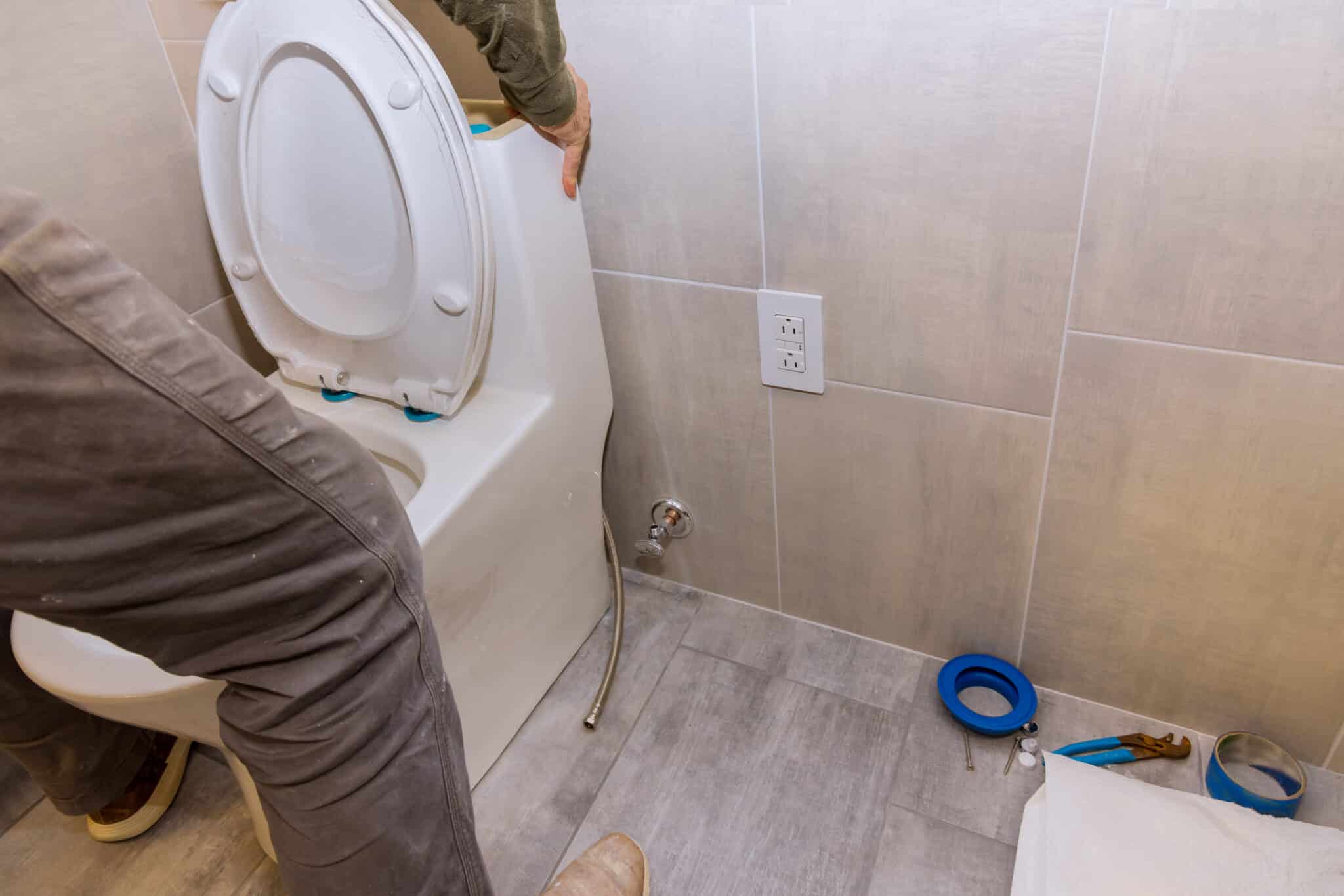
If you spot complex flange damage, shifting subfloor, or repeated leaks after DIY attempts, call a professional plumber for evaluation. A plumber inspects the flange, measures flange height, and checks subfloor integrity before recommending replacement. They also verify closet bolt alignment and test the seal under load to confirm failure. When hidden rot or sewer gas persists, professional tools and experience reduce the risk of missed damage.
- Confirm flange alignment with the waste pipe.
- Measure flange height relative to finished floor.
- Scan for subfloor moisture using a moisture meter.
- Document damage with photos and a written note.
Call a pro if the flange attaches to cast iron or corroded piping that may require pipe coupling or larger repairs. Professionals coordinate safe removal and replacement and can perform associated pipe repairs to restore a reliable connection. They will also advise whether a flange extender or subfloor rebuild is the durable choice for long-term leak prevention. For related pipe concerns, consider scheduling service for pipe repairs with a licensed plumber familiar with flange interfaces.
Emergency signs that justify a professional visit include continuous leakage, foul sewer odor, and soft flooring around the toilet that worsens over time. A technician uses hands-on checks and diagnostic steps to confirm the issue and recommend targeted repairs. If you live in Hyde Park, OH, or Montgomery, OH, act sooner when odors or visible damage appear to prevent wider floor damage. Schedule an inspection when uncertain, since professional diagnosis avoids incomplete fixes and recurring leaks.
Preventive Maintenance To Extend Flange Lifespan
Schedule routine checks of the toilet area every six months to catch early flange problems before they escalate. Look for subtle changes like darkening grout, a faint sewer smell, or slight wobble when you sit. Use a moisture meter near the flange and record readings to compare over time and spot trends. If readings rise, plan further inspection before the flange damage reaches the subfloor.
Keep fasteners and closet bolts hand-tight and inspect them for corrosion or stripped threads during each check to prevent movement. Replace nylon or corroded bolts promptly with stainless or brass fasteners to reduce failure risk. Clean the flange face and bolt slots when you remove the toilet for other maintenance so future seals seat on a flat surface. Small preventive steps reduce the chance of having to perform a full toilet flange replacement later.
Manage bathroom moisture by improving ventilation and wiping splashes at the toilet base to limit corrosion and wood rot under the flange. If you notice persistent dampness or unexplained odors, consider a camera inspection of the drain or surrounding pipe to search for hidden leaks. Professionals use video inspections to confirm whether moisture comes from the flange, pipe joint, or other components and then advise targeted repairs. This noninvasive check can prevent unnecessary flange replacement when the issue lies elsewhere.
When reinforcing the flange area, add local subfloor support if you find any soft spots during inspection to keep the flange stable under load. Use plywood patches and proper fasteners rated for wet locations to restore a solid mounting surface before installing a new flange if needed. Document your preventive work with photos and dates to provide a clear history for future inspections or professional assessments. Homeowners in Hyde Park, OH and Montgomery, OH can use these records to speed diagnosis if a plumber is called for further evaluation.
Frequently Asked Questions
When should I replace a toilet flange?
Replace the flange when you see water under the toilet, a loose bowl, or persistent wax ring failure around the base.
If the flange is cracked, corroded, or sits more than 1/4 inch below finished floor level, replacement is necessary.
A plumber will inspect the closet flange, supply line, and floor for rot and confirm the need for toilet flange replacement.
If you smell sewage or see significant floor damage, stop use immediately and call a professional due to safety and structural risk.
What tools are required for toilet flange replacement?
Gather a screwdriver set, adjustable wrench, hacksaw or oscillating tool, and a utility knife for removing old bolts and wax. Use a putty knife and scraper to clear old wax and debris from the flange surface. Have a new flange, appropriate bolts, and a wax ring or rubber gasket ready for toilet flange replacement. Caution: if flange damage involves cracked tile, broken flange anchors, or sewer odors, stop and call a professional plumber.
How do I tell if subfloor rot means flange replacement?
Probe the subfloor around the flange for soft, spongy spots and visible crumbling wood when the toilet is removed.
If the flange rocks, sits below finished floor level, or fasteners pull out, flange replacement is likely needed.
Confirm damage by lifting the flange and inspecting joists, plywood thickness, and any mold or damp insulation.
Caution: compromised structural wood increases collapse and leak risk, so contact a professional for assessment and safe toilet flange replacement.
Which seal, wax or wax-free, best prevents future leaks?
Wax rings provide a proven, simple seal that tolerates slight flange misalignment and pipe irregularities. Wax-free seals (rubber or foam) compress better and resist melting in warm basements or near heat sources. For toilet flange replacement on damaged or offset flanges, a wax-free or combined wax-plus-rubber seal often gives a more reliable long-term seal. If you smell sewer gas, see moisture, or the flange is corroded, stop and call a professional to avoid damage or injury.
How does flange height affect long-term leak resistance?
Flange height directly affects the seal between the toilet base and wax ring, which controls long-term leak resistance. If the flange sits below finished floor level, the wax ring may compress unevenly and fail over time. If the flange sits too high, the toilet can rock or crack the bowl, creating new leak paths, a professional can assess and correct height safely. Because working near drain openings risks sewer gas and damage, contact a plumber when flange adjustment or toilet flange replacement is needed.