








Key Takeaways About Recirculating Pump Retrofit
A recirculating pump retrofit adds a small pump and piping changes so hot water reaches fixtures much faster. This summary is for homeowners and property managers who notice long hot water wait times or wasted water during routine use.
- Identify cooled standing water locations along long hot runs.
- Prevent backflow by installing check valves and proper bypasses.
- Avoid excessive runtime by choosing timers sensors or demand controls.
- Spot pressure shifts knocking or crossover with simple tests.
- Reduce wait times water waste and repeated cold draws at fixtures.
- Plan pump size bypass type and electrical needs before installation.
Introduction
Waiting minutes for hot water at the sink or shower is a common daily annoyance that wastes time and water. A recirculating pump retrofit changes how hot water reaches fixtures to cut that wait. Homeowners notice the problem most during morning routines and when guests are over. In Montgomery, OH, faster hot water can reduce complaints and reduce wasted water indoors.
The real problem is warmup lag caused by cooled water in long supply lines between the water heater and fixtures. That cooled standing water must clear before hot water arrives which costs time and gallons. A retrofit targets those cooled sections with a small pump and routing changes. For properties near Oakley, OH, long runs and multiple bathrooms make this issue more visible.
Choosing the right pump matters because different pumps use different power, controls, and connection styles. Some pumps run on a timer, others use temperature sensors, and some activate on demand from a button. The retrofit also often includes a bypass valve that prevents hot water from cycling unnecessarily. Proper selection helps avoid extra energy use and keeps the system responsive.
Homeowners should expect a clear symptom list and a short inspection to confirm the cause of long wait times. A pro will check supply lines, shutoff valves, the water heater, and run simple temperature checks at fixtures. Those findings guide whether a pump, a bypass valve, or both are the right fix. When done correctly the retrofit reduces wait time and lowers household water waste.
How A Recirculating Pump Retrofit Works Mechanically
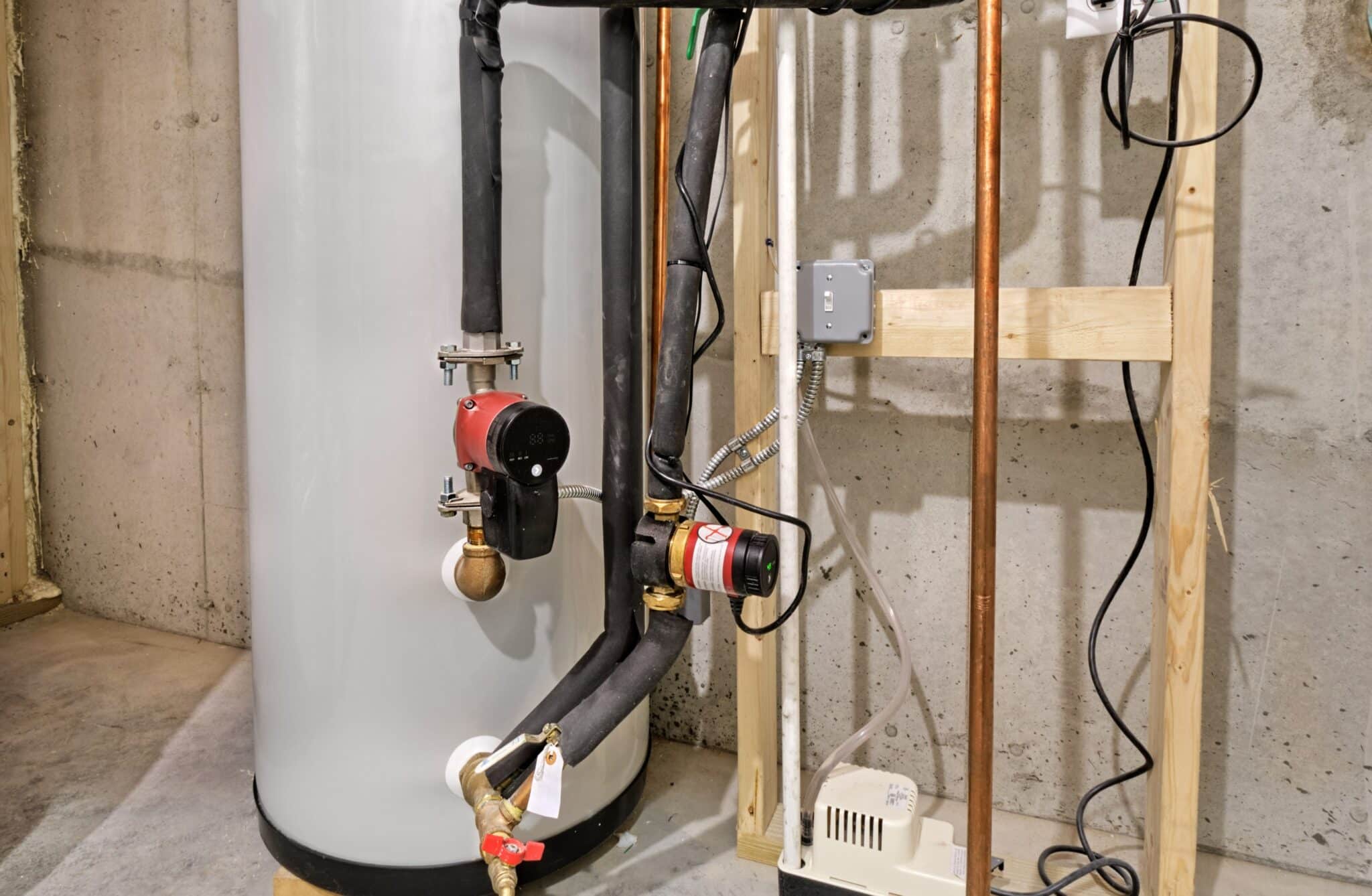
A recirculating pump retrofit adds a small pump and piping changes so hot water moves continuously toward fixtures. The retrofit uses a pump, check valve, and often a bypass valve to keep hot water circulating without backflow. Homeowners ask whether the retrofit saves water and time, yes, it cuts the waiting time for hot water at remote fixtures. A pro will size the pump to match pipe diameter and run length to avoid unnecessary flow or noise.
- Pump moves water from the heater toward fixtures.
- Check valve prevents reverse flow into cold lines.
- Bypass valve routes cooled water back to the heater.
- Temperature sensor or timer controls pump operation.
Mechanically, the pump creates flow through the existing supply loop so cooled standing water clears faster from long runs. A common control is a temperature sensor that stops the pump when outlet piping reaches set degrees near the fixtures. Another common control uses a timer to run the pump only during peak times to limit energy use. For homeowners wondering how installers confirm results, contractors measure fixture outlet temperature before and after activation.
Installation usually ties the pump into the hot supply near the water heater and adds a bypass at a convenient fixture or branch line. The bypass gives a low-resistance return path so the pump can move water without causing pressure issues in the cold line. Professionals check for existing check valves, inspect shutoff valves, and test the system with a pressure gauge and thermometer during startup. For more on local installations, see the detailed overview for hot water recirculation in Montgomery, OH.
Common Causes Of Long Hot Water Wait Times
Long waits for hot water often start with pipe layout problems that let water cool inside long runs. Poorly insulated supply lines let the standing water lose heat before the next use. Corrosion or scale inside pipes and the water heater can reduce flow and make warmup slower. For many homes, improving insulation along the route helps more than people expect, see related guidance on pipe insulation upgrades.
Closed valves and partial shutoffs reduce flow and lengthen the time it takes for hot water to clear lines. A partially closed shutoff at a branch or a partially stuck check valve limits circulation and raises wait time. Low water pressure from a house-level pressure-reducing valve or supply issue compounds the delay. Professionals look for these restrictions during inspection using a pressure gauge and flow checks at fixtures.
Fixture placement and piping branches create dead legs where water stands and cools until the pump or normal use clears it. Long branches serving infrequently used bathrooms make the problem worse. In older homes, oversized diameter lines can also slow replacement of cooled water, even if pressure appears normal. Technicians measure pipe lengths and use temperature readings at the fixture to map where dead legs occur before recommending a solution.
Water heater issues sometimes cause slow hot delivery even when piping is fine. A partially clogged outlet, a faulty crossover, or significant sediment in the tank can reduce hot flow. Electric element or gas burner problems can slow recovery so hot water arrives later between uses. For homeowners in Oakley, OH and Montgomery, OH, these supply-side causes often show in a professional report with temperature readings and pressure test results.
Warning Signs You Need Faster Hot Water Solutions
A steady drop in hot water temperature at multiple fixtures often signals a circulation problem rather than a single clogged faucet. Homeowners may notice longer warmup times combined with unusual sounds like gurgling or faint motor-like hums in wall cavities. A professional would check for flow restrictions using a pressure gauge and measure temperatures along the run to locate where cooled water pools. If a system shows uneven temperatures, the technician will inspect check valves, shutoffs, and potential cross-connections next.
Frequent short uses that still produce cold water quickly suggest dead legs or an undersized circulation path that a retrofit can address. Another warning sign is hot water taking much longer after periods of no use, which points to poor retention in the longest runs. Technicians verify this by recording outlet temperature over time and tracing pipe lengths to identify the longest stagnant segments. Recording those readings helps decide whether a pump, reroute, or additional control is the right solution.
Backflow into the cold line or noticeable changes in cold-water pressure during hot-water draws indicate missing or faulty check valves and improper bypass operation. A pro will visually inspect the cold and hot shutoff valves and test for crossover using simple flow checks at fixtures. If a bypass valve exists but causes pressure imbalances, installers may swap it for a flow-control or pressure-balanced option to prevent unwanted mixing. For guidance about valve types and balancing, see the flow-control valves resource used by many contractors in the field.
In homes where usage patterns vary daily, a poorly controlled pump can waste energy and run unnecessarily, which is another sign to consider an upgrade. Owners might notice the pump operating at odd hours or the system running longer than expected, which a technician confirms by checking the control type and wiring. Professionals often inspect the timer, temperature sensor, or on-demand switch and then recommend a different control strategy when the current one causes excess runtime. For properties in Oakley, OH and Montgomery, OH, documenting these symptoms and test readings helps prioritize a targeted retrofit plan.
Choosing The Right Pump For Your Home Plumbing
Selecting the right pump starts with matching pump capacity to your piping and fixture layout to avoid noise and short cycling. A technician checks pipe diameter, run length, and expected flow rate to pick a compatible pump. They also consider electrical supply at the water heater location to confirm voltage and circuit availability. For homeowners in Oakley, OH, knowing these site details speeds the selection process and avoids surprises during installation.
- Match pump flow to pipe diameter.
- Confirm electrical supply and circuit capacity.
- Check for existing check valves and shutoffs.
- Decide on control type based on usage patterns.
Control method matters as much as pump size because it determines runtime and energy use. Timers work well for predictable routines but may run unnecessarily during absences. Temperature sensors stop the pump once piping reaches set points, reducing run time. On-demand switches let occupants call for hot water only when needed, saving energy but requiring user action.
Material and mounting affect longevity and noise performance, so installers compare bronze, stainless, and plastic components before choosing. Pumps with quieter motors and anti-vibration mounts reduce audible noise inside wall cavities. Professionals inspect the nearby shutoff valves and install a check valve if one is missing to prevent backflow. For guidance on valve selection during pump choices, see the resource about best plumbing valves.
Recirculating Pump Retrofit Options For Different Budgets
A basic budget option replaces only the shortest sections of cooled pipe and adds a compact pump near the heater to reduce wait times. Technicians often pair this with a simple timer control so the pump runs during morning and evening routines without complex wiring. Installers will check nearby shutoff valves and may recommend a local replacement if corroded, homeowners can learn about proper shutoffs in the resource on fixture shutoff valves basics. This route minimizes plumbing changes and keeps upfront costs lower for properties that need modest improvement.
Mid-range retrofits include a pump with a temperature sensor and a dedicated bypass valve sized to match pipe diameter for smoother operation. Professionals size the bypass to prevent pressure imbalances and may add a check valve on the cold line to avoid crossover during circulation. This option often reduces runtime and lowers energy waste compared with simple timers while improving responsiveness to actual pipe temperatures. For homeowners in Oakley, OH, the added control helps on days with variable usage patterns without constant manual input.
Higher-budget systems use on-demand controls, quieter pumps with anti-vibration mounts, and more durable materials like stainless connection fittings for longevity. These systems often include a flow-control bypass that limits mixing and keeps cold-line pressure stable during operation. A pro will inspect electrical circuit capacity and suggest a dedicated circuit if the pump draws higher amperage to maintain safe operation. For homes in Montgomery, OH with complex layouts, this level reduces nuisance noise and improves overall system balance.
When professionals diagnose which budget path fits a home, they perform simple checks such as measuring outlet temperatures, testing shutoff valve operation, and recording pressure readings at fixtures. They also check for existing check valves and measure pipe diameters so the pump and bypass match system hydraulics. These diagnostic steps generate a short report with clear options and trade-offs for each budget level to guide homeowner decisions. If any safety or complexity issues appear, the technician will recommend a professional installation to avoid cross-connections or improper wiring.
Bypass Valves Explained Why They Matter And How
A bypass valve gives the recirculating pump a controlled return route so water can flow without creating pressure imbalances. It opens when the pump runs to move cooled water back toward the heater, preventing backflow into the cold supply. Without the proper bypass, homeowners may hear knocking or notice pressure shifts at other fixtures during circulation. A technician inspects shutoff valves and existing check valves to confirm the bypass will operate safely with the system.
Different bypass types change how much hot and cold water mix while the pump runs, so selection affects comfort and waste. A simple fixed bypass allows continuous small flow, while a thermostatic bypass closes when pipeline temperature reaches a set point. Flow-control bypasses use a calibrated orifice to limit mixing and preserve cold-line pressure during operation. Pros compare bypass flow with pump capacity and pipe diameter to avoid overmixing and pressure loss.
Professionals diagnose bypass performance with basic, observable checks before and after installation to confirm it solves the issue. They record fixture outlet temperatures, use a pressure gauge at the cold line, and inspect for crossover at fixtures using simple flow tests. If readings show pressure drops or unwanted warm-up of the cold supply, the bypass size or type may need adjustment. These diagnostic steps also include checking for stuck or leaky check valves that can defeat bypass operation.
Properly sized bypasses rely on matching hydraulic elements, so installers measure pipe diameter and expected flow rates during planning. For projects near Oakley, OH and Montgomery, OH, contractors may reference guidance on sizing related components like pressure-reducing valves during system balancing. Homeowners should expect the installer to test temperatures and pressures after adding a bypass, and to recommend changes if the cold line warms or pressure changes noticeably. If any uncertainty exists, contact a licensed plumber to avoid cross-connections or improper installation.
When To Call A Professional For Recirculating Pump Retrofit
If you hear knocking, notice pressure shifts, or suspect crossover after adding a bypass, call a professional. A licensed plumber will perform targeted checks to confirm the problem source and recommend corrective steps. They inspect shutoff valves, check valves, and the bypass under real operating conditions. If electrical controls are present, they will also verify wiring and control behavior for safety.
- Visual inspection of valves and fittings.
- Temperature readings at multiple fixtures.
- Pressure gauge checks on cold and hot lines.
- Flow tests to detect crossover.
A technician diagnosing recirculating pump retrofit issues uses a thermometer and pressure gauge during a short on-site test. They compare fixture outlet temperatures and cold-line pressure before and during pump operation to spot mixing or loss of pressure. Photos and written test results document where corrective work is needed. These records help homeowners decide on repair options with clear data.
Homeowners in Oakley, OH or Montgomery, OH should call a pro when pilot fixes fail or when plumbing access is limited. Complex layouts, inaccessible shutoffs, or potential cross-connections increase the risk of improper installations. A professional can recommend a safe bypass type and set controls to limit runtime and energy use. For guidance on broader plumbing efficiency that complements a retrofit, review the resource on efficient plumbing.
Installation Steps Homeowners Should Expect And Prepare
Prepare a clear work area near the water heater by moving stored items and ensuring the electrical panel is accessible for the installer. A technician will need room to mount the pump, reach the hot outlet, and run wiring safely to a nearby circuit. Homeowners should locate and label shutoff valves ahead of time so the crew can isolate lines without searching. If the water heater is older, consider having maintenance records available to discuss any tank issues during installation.
Expect a brief pressure and temperature check at several fixtures before work begins so the installer can confirm baseline conditions. The pro will likely use a pressure gauge and a thermometer to measure flow and thermal lag along the longest runs. These readings guide where the pump and bypass connect to avoid pressure problems when circulation starts. Homeowners may be asked to run hot water at specific fixtures during testing for accurate data collection.
During installation, the plumber may add a check valve, install the bypass, and mount the pump on the hot outlet near the heater for efficient circulation. They will also connect the chosen control device, whether timer, sensor, or on-demand switch, and verify proper wiring to the home circuit. After plumbing connections, the team will purge air from lines and test for leaks at fittings, valves, and the pump union. Expect the technician to run the system through several start-stop cycles while observing pressures and temperatures.
Before the crew leaves, ask for a short demonstration of how the control works and any simple homeowner tasks like using an on-demand button or replacing a timer battery. Request recorded temperature or pressure readings taken before and after installation so you have a reference if issues appear later. If your property needs additional electrical work or a replacement shutoff, the technician should note it on the job ticket for follow-up. For homeowners coordinating water heater upgrades alongside circulation work, see the water heater service information for planning support.

Frequently Asked Questions
How does a recirculating pump retrofit cut hot water wait time?
A recirculating pump retrofit moves cooled water from the hot line back to the water heater so hot water is at fixtures faster. The pump runs on a timer, thermostat, or demand sensor to reduce idle circulation and energy waste. Technicians inspect supply lines, check valves, and add a bypass or dedicated return to ensure flow and prevent contamination. If you suspect wiring or cross-connection risks, stop and contact a licensed plumber to avoid leaks or code issues.
Will a retrofit increase my utility or energy use?
A properly sized recirculating pump retrofit can reduce water waste and may lower combined water-heating losses in many homes. Some pumps run continuously and will raise electricity use, while demand timers or thermostats cut run time and energy. A professional will assess loop length, pump efficiency, and control type to estimate net utility impact. If wiring or plumbing changes are needed, exercise caution and hire a licensed plumber or electrician to avoid hazards.
What types of pumps and controls are available?
Common pump types for a recirculating pump retrofit include inline centrifugal pumps and compact circulators designed for domestic hot water loops. Controls range from simple on/off timers and thermostats to demand-activated sensors and pulse-activated remote switches. Many systems use a check valve and a thermostatic or manual bypass valve to prevent cold-water returns and maintain balanced flow. Because electrical and plumbing connections carry risk, hire a licensed professional to size the pump, wire controls, and install the bypass correctly.
How does a bypass valve prevent cold-line pressure issues?
A bypass valve keeps pressure balanced by opening a small path from the hot to cold line when pressure spikes occur. It prevents backflow into the cold supply and reduces water hammer symptoms like banging pipes. In a recirculating pump retrofit the valve also avoids pushing warm water into cold fixtures during idle cycles. If you suspect pressure problems or feel unusual pressure fluctuations, stop use and call a licensed plumber for diagnosis and repair.
What will a pro inspect to diagnose slow hot delivery?
A plumber will first observe the symptom timing and listen for pump or circulation noises near the water heater and fixtures. They will check the hot water pipe routing, valves, and visible manifolds for bypasses or closed zone valves. The tech will test flow and pressure with a pressure gauge, verify check valves and the water heater temperature setting, and inspect the pump wiring and timer or sensor. If they suspect electrical or scald risk, they will recommend shutting power and contacting a professional for safe diagnosis and any recirculating pump retrofit work.