






Valve troubleshooting is an essential skill that every homeowner should have in their toolkit, especially when living in areas like Montgomery, OH, where the changing seasons can put a strain on plumbing systems. Understanding the basics of diagnosing common valve issues can save you time and prevent minor problems from escalating into major headaches. Whether it’s a leaky faucet in your kitchen or a stubborn shower valve, knowing where to start can make all the difference. This guide aims to equip you with the knowledge needed to tackle these issues confidently.
In Oakley, OH, just like in Montgomery, homeowners face a variety of plumbing challenges throughout the year. From the cold snaps in winter that threaten to freeze pipes to the heavy use of outdoor faucets in summer, valves play a crucial role in managing your home’s water flow. Mastering valve troubleshooting doesn’t require you to be a professional plumber. With a few tips and tricks, you can learn to identify and address the most common problems.
The first step in valve troubleshooting is recognizing the signs of a malfunctioning valve. This might include dripping water, unusual noises, or a complete lack of water flow. Each of these symptoms can indicate different issues, ranging from simple fixes to more complex repairs. By paying attention to these early warning signs, you can take swift action to mitigate damage and restore proper function to your plumbing system.
Lastly, it’s important to remember that while valve troubleshooting can be a DIY project, some situations call for professional intervention. If you’re ever in doubt about the severity of a plumbing issue or lack the tools and experience to fix it, calling in experts like those at Halpin Plumbing is a wise choice. They bring the expertise needed to handle even the most stubborn valve problems, ensuring your plumbing system operates smoothly and efficiently.
Understanding the Basics of Household Valves
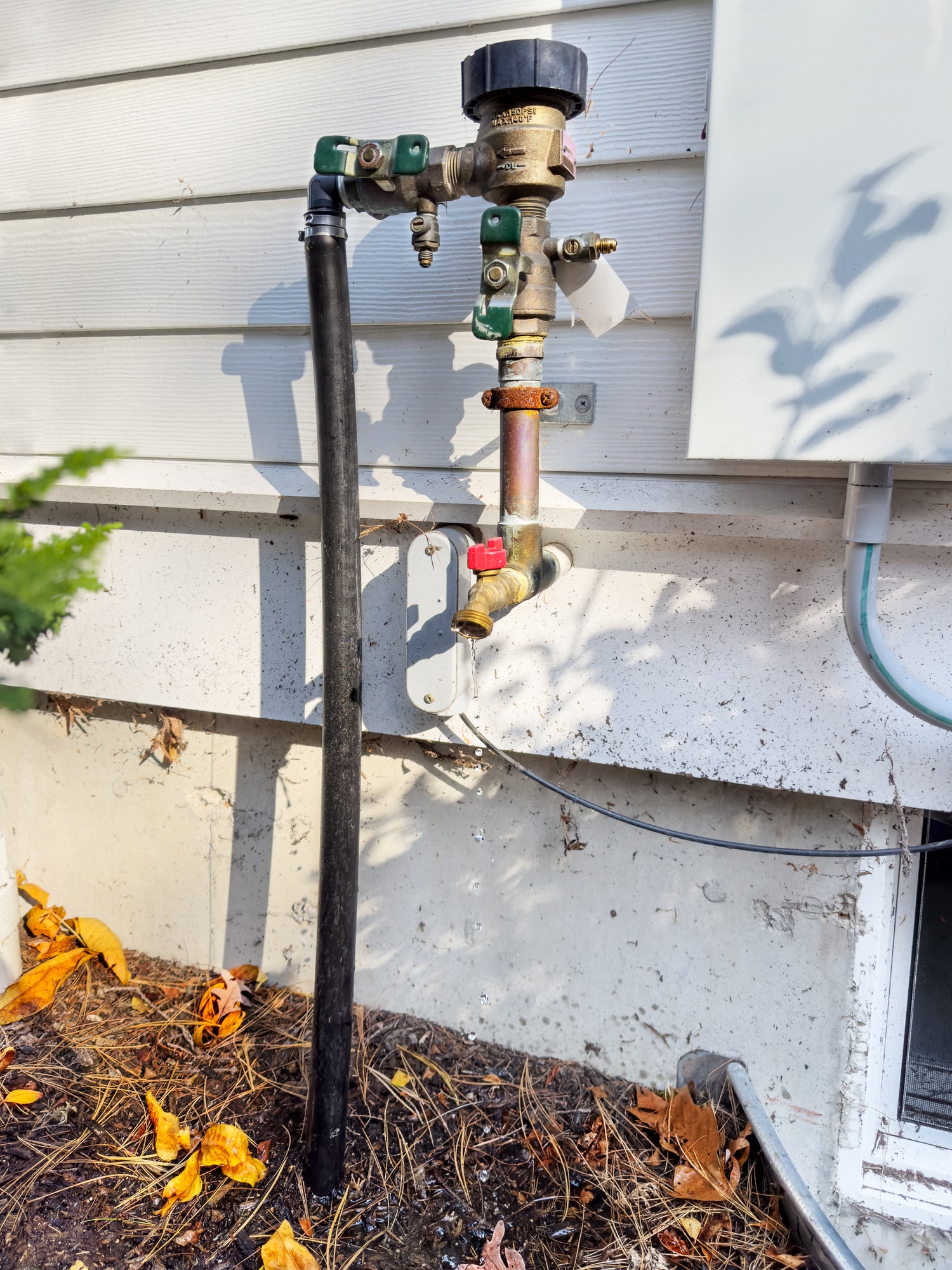
To dive deeper into valve troubleshooting, it’s crucial to start with understanding how different household valves function. In Montgomery, OH, homes are equipped with a variety of valves, including gate, globe, ball, and check valves, each serving a unique purpose in controlling water flow. Knowing the type of valve you’re dealing with helps in diagnosing issues more accurately. For instance, a ball valve’s lever handle should run parallel to the pipe when open, making it easy to spot when something’s amiss.
Next, familiarizing yourself with common problems that affect valves can significantly streamline the troubleshooting process. Leaks are among the most frequent issues, often resulting from worn seals or loose parts. In Oakley, OH, where temperature fluctuations are common, expansion and contraction can also lead to valve failures. By identifying the type of problem, you can determine whether a simple tightening of components or a seal replacement is needed.
Moreover, routine maintenance plays a pivotal role in preventing valve issues before they start. Regularly checking valves for signs of wear or corrosion can catch problems early, especially in areas with hard water that can speed up deterioration. Simple steps like cleaning sediment from valve bodies and lubricating moving parts can extend their lifespan and ensure they function properly when you need them most.
Lastly, understanding when to seek professional help is key in valve troubleshooting. While many valve issues can be resolved with basic tools and a bit of know-how, some problems require the expertise of a skilled plumber. If you encounter a valve problem that’s beyond your comfort level or if the repair involves main water shutoff valves, reaching out to a professional like Halpin Plumbing ensures the job is done safely and effectively, keeping your home’s plumbing in top condition.
Common Symptoms of Valve Failure
When homeowners in Montgomery, OH, notice their faucets or valves not performing as expected, it’s crucial to recognize these as common symptoms of valve failure. A noticeable drop in water pressure, for instance, often signals a blockage or malfunction within the valve. Such issues can range from mineral buildup to a damaged component obstructing water flow. Early detection and addressing these signs can prevent more severe plumbing problems down the line.
Another frequent symptom is the presence of leaks around the valve area, which should never be ignored. Even a small leak can lead to significant water waste and potentially damage your home’s structure over time. In many cases, these leaks result from worn-out washers or seals that have failed due to age or corrosion. Homeowners can usually replace these parts themselves or call professionals if the task seems daunting.
In Oakley, OH, residents might also encounter valves that are hard to operate, either sticking when turned or refusing to move at all. This is often due to rust or sediment buildup, common in areas with hard water. Regular cleaning and occasional lubrication of the valve mechanism can restore its smooth operation. However, if the valve remains unresponsive, it may need to be replaced.
Lastly, unusual noises coming from your valves, like whistling, banging, or humming, indicate problems that require immediate attention. These sounds can result from high water pressure, loose components, or air trapped in the pipes. Identifying and correcting the underlying issue not only eliminates the noise but also prevents potential damage to the plumbing system. Homeowners should consider consulting with a plumbing professional if they’re unable to pinpoint the cause of these noises.
Step-by-Step Valve Troubleshooting Guide
To start valve troubleshooting, first turn off the water supply to prevent any potential flooding or damage. This crucial step ensures a safe working environment as you examine the valve. Next, carefully inspect the valve for any visible signs of damage or wear, such as cracks or corrosion. Identifying these issues early can simplify the repair process and possibly avoid the need for a replacement.
After the initial inspection, clean any debris or buildup from the valve. In Montgomery, OH, hard water can lead to significant mineral deposits that interfere with valve operation. Use a suitable cleaner and a soft brush to gently remove any sediment. This not only improves the valve’s function but can also extend its lifespan by preventing further buildup.
If cleaning doesn’t resolve the issue, consider moving on to valve troubleshooting by disassembling the valve if you’re comfortable with more in-depth repairs. Take note of each part’s placement as you remove them to ensure a correct reassembly. Replace any worn or damaged components you find, such as seals or O-rings, which are often the culprits behind leaks and poor performance. This step can restore proper function without the need for professional intervention.
Lastly, if the valve still malfunctions after these valve troubleshooting attempts, it may be time to consult with a professional plumber from Oakley, OH. Some problems, especially those related to internal valve mechanisms or main water lines, require specialized tools and knowledge. A skilled plumber can diagnose and fix complex issues, ensuring your home’s plumbing system runs smoothly and efficiently.
How to Safely Test Water Pressure for Valve Issues
Testing water pressure is a crucial step in valve troubleshooting, especially when you’re facing issues like a drop in water flow or unusual noises in your plumbing system. In Montgomery, OH, homeowners can use a water pressure gauge to measure pressure at a faucet. This simple tool attaches to your outdoor spigot or any faucet with a threaded connection. By turning on the water, you can get an accurate reading of your home’s water pressure, which should ideally be between 40 and 60 psi.
If the reading is too high, it could be the reason behind noisy pipes or leaks, as excessive pressure strains valve seals and joints. In such cases, installing a pressure regulator can help manage the water flow and protect your plumbing. This step not only aids in prolonging the life of your plumbing fixtures but also contributes to more efficient water use. Oakley, OH residents will find that managing water pressure can significantly reduce the risk of valve damage and associated plumbing issues.
On the other hand, if the water pressure is too low, it might indicate a blockage or malfunction within the valve itself or elsewhere in your plumbing system. Checking for sediment buildup in the valve or inspecting for leaks in your plumbing can often reveal the cause of low pressure. Cleaning the valve or repairing leaks can restore proper water flow. This proactive approach ensures that minor issues don’t escalate into major problems, saving time and resources in the long run.
Lastly, regular monitoring of water pressure in your home can help you catch and address valve issues before they become severe. By incorporating pressure checks into your routine maintenance, you can keep your plumbing in optimal condition. This practice, combined with the steps outlined for valve troubleshooting, empowers homeowners to maintain a healthy plumbing system. Whether you’re in Montgomery or Oakley, OH, understanding how to safely test and adjust water pressure is an invaluable part of managing your home’s plumbing needs.
Valve Troubleshooting: Identifying Leaks and Blockages
Valve troubleshooting becomes crucial when you suspect leaks or blockages in your plumbing system. In Montgomery, OH, homeowners often face these issues due to sediment buildup or wear and tear. Identifying the source of a leak early can prevent water damage and save on costly repairs. Look for wet spots around valves or pipes as a clear indicator of where your problem might lie.
Blockages, on the other hand, can significantly reduce water flow and pressure in your home. Residents in Oakley, OH, might notice their water isn’t running as freely as it should, suggesting a blockage within a valve. To address this, check for mineral deposits or debris that might be obstructing the valve’s pathway. Clearing these blockages can restore proper water flow and pressure, enhancing your system’s efficiency.
For effective valve troubleshooting, knowing how to spot these problems is half the battle. Leaks often make themselves known through dripping sounds or visible water pooling, while blockages might manifest as reduced water pressure or slow faucets. Tackling these issues promptly can mitigate further damage to your plumbing system. Regular inspections and maintenance can help catch these problems before they escalate.
Lastly, don’t hesitate to seek professional help if valve troubleshooting seems daunting. Sometimes, the expertise of a plumber is necessary, especially when dealing with complex systems or if the problem persists. Professionals have the tools and knowledge to diagnose and fix issues quickly, ensuring your plumbing operates smoothly. Whether you’re in Montgomery or Oakley, OH, a reliable plumber is invaluable for maintaining a healthy plumbing system.
Tools and Materials Needed for DIY Valve Repairs
Embarking on DIY valve troubleshooting requires not just knowledge but also the right tools and materials. In Montgomery, OH, homeowners gearing up for valve repairs should start by gathering adjustable wrenches, pliers, and a screwdriver set. These basic tools will assist in most valve repair tasks, from tightening loose components to disassembling parts for a closer inspection. Additionally, having Teflon tape on hand is crucial for resealing threaded connections, ensuring a watertight fit.
Next, replacement parts play a significant role in the success of DIY valve troubleshooting. It’s wise to identify the specific type of valve you’re working with and purchase the appropriate seals, O-rings, or washers ahead of time. In Oakley, OH, local hardware stores typically stock a wide range of plumbing supplies, making it easy to find the exact parts you need. This proactive approach prevents delays in repairs, allowing you to restore proper function to your valves more quickly.
Moreover, cleaning materials should not be overlooked when preparing for valve maintenance or repair. A small wire brush and vinegar can be effective in removing mineral deposits and corrosion, common issues in areas with hard water. These simple, yet effective, cleaning solutions help ensure that valves are free of obstructions and operate smoothly. Incorporating these materials into your valve troubleshooting toolkit can extend the lifespan of your valves and improve their performance.
Lastly, safety gear is essential for protecting yourself during the repair process. Safety glasses and gloves shield against potential hazards, such as flying debris or exposure to harmful chemicals. Whether you’re in Montgomery or Oakley, OH, prioritizing safety ensures that valve troubleshooting is not only effective but also safe. With the right tools, materials, and safety equipment, homeowners can confidently tackle valve repairs, maintaining their plumbing system’s reliability and efficiency.

When to Call a Professional for Valve Troubleshooting
While DIY valve troubleshooting can often fix common problems, some situations demand the expertise of a professional plumber. In Montgomery, OH, homeowners might encounter complex valve issues that go beyond basic repairs. These could include persistent leaks that resist all attempts at correction or valves that are completely seized. In such cases, the wisdom of calling in a professional cannot be overstated.
Professionals bring not just their expertise but also specialized tools that most homeowners don’t have. This equipment can diagnose problems more accurately, ensuring that the repair is both effective and efficient. For instance, in Oakley, OH, plumbers might use advanced diagnostic tools to pinpoint issues within a valve without needing extensive disassembly. This approach saves time and can prevent further damage to your plumbing system.
Another scenario where professional help is invaluable involves the main water valve. If problems arise with this critical component, it’s essential to have an experienced plumber handle the repairs. They understand the intricacies of working with main valves, ensuring that your home’s water supply is restored without complications. Attempting to fix main valves without the proper knowledge can lead to significant issues, including water damage.
Lastly, when safety concerns arise during valve troubleshooting, it’s time to call a professional. Dealing with plumbing can sometimes expose homeowners to risks, such as dealing with high water pressure or potential contamination. Professionals are trained to handle these situations safely, protecting both themselves and your home. Whether you’re in Montgomery or Oakley, OH, ensuring the safety and integrity of your plumbing system is always a priority.
Preventative Maintenance Tips for Household Valves
Preventative maintenance is key to avoiding common valve issues, making valve troubleshooting less frequent. Regularly checking your valves can help identify potential problems before they escalate. In Montgomery, OH, homeowners can benefit from visually inspecting valves for signs of wear or leaks. This simple step can save time and prevent the need for complex repairs down the line.
Incorporating the habit of cleaning your valves can also play a significant role in their longevity. Sediment and mineral buildup, common in Oakley, OH, can hinder valve operation. Using a gentle cleaner and a soft brush to remove any debris ensures that your valves remain in good working condition. This not only helps maintain water flow but also extends the life of the valves.
Another effective preventative measure is to lubricate the moving parts of your valves periodically. This practice keeps them operating smoothly and prevents them from sticking or seizing. It’s a straightforward task that homeowners can do themselves, ensuring that valves remain easy to operate. Regular lubrication can significantly reduce the chances of valve malfunction.
Lastly, it’s wise to familiarize yourself with the main water shut-off valve in your home. Knowing how to quickly turn off your home’s water supply in an emergency can prevent major water damage. Residents of Montgomery and Oakley, OH, should ensure they can easily access and operate this valve. Being prepared in this way is an essential part of maintaining a safe and functional plumbing system.
Valve Troubleshooting Frequently Asked Questions
What is valve troubleshooting?
Valve troubleshooting involves identifying and fixing issues with valves in your home’s plumbing system. It’s a key skill for maintaining smooth water flow and preventing leaks. By understanding common problems, homeowners can quickly address minor issues. This process ensures your plumbing operates efficiently, saving time and money.
How do I know if a valve is faulty?
To identify a faulty valve, listen for unusual noises like whistling or banging. Check for leaks or moisture around the valve area. A valve that’s hard to turn or won’t fully close may also indicate a problem. These signs help in valve troubleshooting, ensuring your plumbing stays in top condition.
Can I perform valve troubleshooting myself?
Yes, you can tackle valve troubleshooting on your own with some basic knowledge. Start by identifying common signs of valve issues, such as leaks or strange noises. With the right tools and a careful approach, many minor problems can be fixed without professional help. However, for complex issues, it’s wise to contact a professional like Halpin Plumbing.
What tools are needed for valve troubleshooting?
For valve troubleshooting, a few basic tools are essential. You’ll need an adjustable wrench to tighten or loosen parts. A screwdriver is handy for removing covers or adjusting settings. Plumber’s tape helps seal connections, preventing leaks. Lastly, having a flashlight can illuminate dark spaces, making the task easier.
When should I call a professional for valve issues?
If your valve troubleshooting efforts don’t fix the leak or noise, it’s time to call a professional. Complex problems, like valves that won’t operate despite your best efforts, also require expert attention. Professionals from Halpin Plumbing can diagnose and solve issues that are beyond basic fixes. They ensure your plumbing system functions smoothly, preventing future complications.