







Key Takeaways About Sewer Stack Replacement
A sewer stack is the vertical pipe that moves waste and venting gases away from fixtures. This summary helps homeowners and property managers decide when action matters and which repair option fits their situation.
- Identify persistent odors slow drains or visible water stains quickly.
- Prevent small leaks from becoming structural problems with inspections.
- Avoid repeat repairs by matching method to pipe condition and age.
- Spot diagnostic signs using camera footage smoke tests and cleanouts.
- Reduce disruption by weighing lining benefits against full replacement.
- Plan for permits roof access and interior patching when replacing.
Introduction
When a home shows recurring slow drains, sewer gas smells, or wet spots near stacks, the cause can be a failing vent or waste stack. Choosing between Sewer Stack Replacement and lining affects the entire plumbing system and home safety. A failed stack can allow sewage to back up and introduce harmful gases into living spaces. Homeowners often underestimate the scope until water stains or odors become persistent.
Full stack replacement removes old pipes and installs new ones through the roof and into the drain network. Lining repairs the inside of the existing pipe to stop leaks and restore flow without major demolition. Each approach changes how future leaks, access, and inspections work at the property. The wrong choice can lead to repeat repairs and higher long term disruption.
Assessing damage starts with simple observations like persistent odors, gurgling fixtures, and visible leaks around cleanouts. A professional will use a camera inspection, check cleanout access, and note pipe material and connection types. Those findings determine whether defects are localized or systemic along the vertical run. The diagnosis guides whether replacement or lining is feasible and practical.
Local code and inspection rules can influence the allowed repair method and required permits in Montgomery, OH and nearby towns like Oakley, OH. Codes may require replacement for certain materials or when structural support is compromised. Expect inspectors to check roof flashing, vent terminations, and cleanout access after work. If you notice recurring signs now contact a licensed plumber for a documented inspection and clear next steps.
What A Sewer Stack Does And How It Works
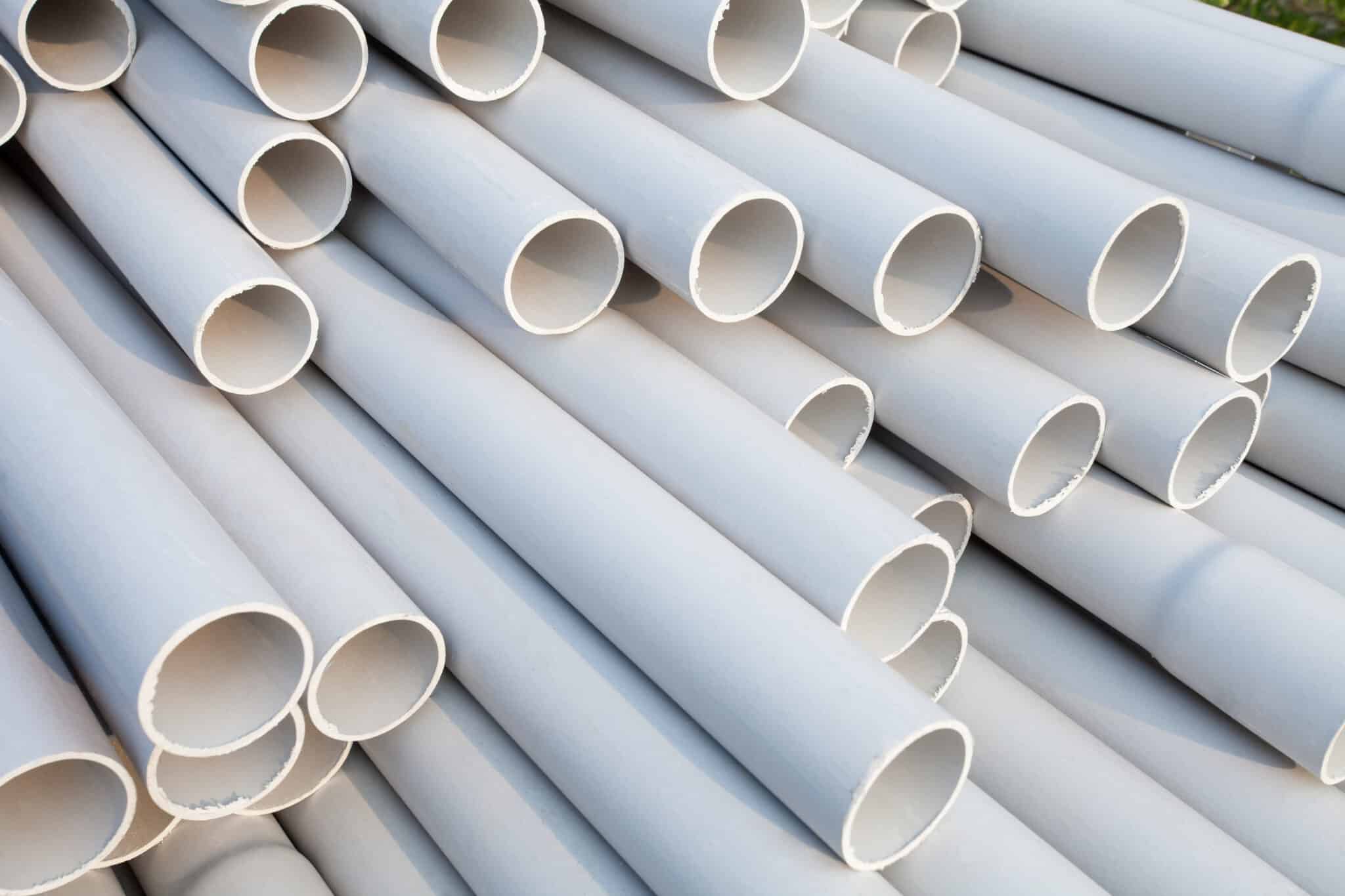
A sewer stack is the vertical pipe that carries waste and venting gases from fixtures to the building drain and roof vent. It links fixture drains, roof venting, and cleanouts to maintain flow and prevent traps from losing their water seals. Homeowners often ask whether a failing stack will affect every fixture, yes, a compromised stack can cause simultaneous slow drains and gurgling across the house. A clear understanding of flow and venting helps homeowners decide between repair methods and next steps.
- Vertical waste path from fixtures to main drain.
- Air venting to balance pressure in traps.
- Cleanouts for access and camera inspection.
- Roof termination to release sewer gases safely.
The stack connects to fixture branch lines at specific junctions and uses trap seals to block sewer gas. When vents work, traps hold water and prevent odors, a blocked vent lets pressure push water from traps. A common homeowner question is whether stacks smell when blocked, yes, persistent sewer odor often points to vent or stack failure. Professionals often look for wet staining, warped drywall, or rusted flashings as surface clues during initial checks.
To diagnose the stack, a plumber will run a camera inspection through a cleanout to record footage of joints and pipe walls. They will also test vent flow with a smoke test or perform localized dye tests to trace leaks. The diagnostic report typically notes pipe material, number of joints, and any root intrusion or corrosion found on video. That recorded footage and written report guide whether lining can reach and seal defects or full replacement is safer.
Common Causes Of Sewer Stack Failure And Why
Age and material breakdown often start the chain of failures in vertical stacks. Older cast iron or galvanized steel corrodes from the inside and loses structural strength over time. Corrosion can cause hairline leaks that let moisture reach structural elements and insulation. In Montgomery, OH homes, repeated freeze-thaw cycles can accelerate joint failure in older stacks.
Root intrusion and ground movement stress buried portions where the stack connects to the building drain and main sewer. Roots seek moisture and can wedge at joints, causing offsets or cracks that leak slowly. Even small shifts in soil or nearby excavation can misalign connections and create gurgling or slow-drain symptoms. For a visible leak around a cleanout or base connection, consider how roots or movement may have started the problem.
Mechanical damage and improper previous repairs also contribute to rapid failure when pressure or impact breaks a pipe. Footing or foundation work that uses heavy equipment can crack or crush sections of the vent or waste run. Patchwork using incompatible materials or poor sealing around roof flashing invites leaks and leaks accelerate deterioration. If a patch fails repeatedly, a thorough inspection can show whether welded replacement or a full replacement offers a longer-lived fix.
Blockages and offsets from debris, grease, or collapsed sections change flow patterns and stress joints above and below the blockage. Chronic backups increase pressure in the vertical line which can open weak joints and push water into walls. A camera inspection that records footage and pinpoints the exact depth and length of damage helps decide whether lining will reach the defect. For repairs that require excavation and pipe replacement, see the related sewer repair and replacement guidance for planning and excavation considerations.
Recognizing Warning Signs And When To Act
Watch for sudden changes in how fixtures behave, such as multiple drains gurgling at once or a toilet that bubbles when the washing machine runs. These symptoms often appear before visible stains, and they mean pressure problems in the vertical run need prompt attention. A homeowner can check accessible cleanouts for slow discharge or wet soil around the base as an early clue. If you detect these signs, document timing and conditions to help a plumber prioritize diagnostics.
Persistent sewer odor inside a home that returns after ventilation suggests an ongoing leak or venting failure rather than a temporary trap issue. Note when the smell is strongest, such as after heavy rain or when multiple fixtures run, because that pattern guides the inspection. A professional will confirm sources with camera footage and smoke or dye tests to locate leakage paths. Those documented test results inform whether localized lining could seal the defect or replacement is safer.
Visible water staining on ceilings, walls, or attic materials indicates active leakage that can damage structure and insulation if left unaddressed. Check roof flashings and the vent termination for displaced seals or rusted collars that can let water in around the stack. A plumber will often run a camera inspection through a nearby cleanout and record footage, homeowners can review that video with the technician for clarity on the problem. For examples of recorded inspections, review a typical video line inspection to understand what professionals document.
When leaks allow moisture into framing, mold growth and rot can follow within weeks in warm conditions, increasing repair scope and cost. In Montgomery, OH properties with limited attic ventilation, trapped moisture worsens hidden damage and speeds deterioration. In Oakley, OH neighborhoods where trees are common, root intrusion near the base can cause slow leaks that become structural problems. Because of these risks, call a licensed plumber early if you see stains, persistent smells, or gurgling to get a diagnostic plan and prioritize repairs.
Full Sewer Stack Replacement Pros And Cons
Full sewer stack replacement provides a complete, long-term fix when the vertical run is structurally compromised or corroded beyond repair. Replacement removes failing materials and restores full access to joints, cleanouts, and roof flashing for future inspections. The process requires cutting into the roof and sometimes walls, which increases disruption and adds hours to the job. Homeowners should expect a multi-trade job if flashing, drywall, or roof shingles require repair afterward.
- Eliminates old failed joints and corroded pipe sections.
- Restores full access for future camera inspections.
- Requires roof penetration and possible drywall repairs.
- Offers longer service life than patch repairs in many cases.
Lining the stack avoids major demolition and can seal cracks, minor leaks, and pinhole corrosion from the inside. Lining preserves the existing pipe alignment but cannot restore lost structural strength to a badly corroded wall or collapsed section. A plumber will review camera footage to confirm lining reaches the damaged length and bonds to the pipe walls before recommending it. If footage shows multiple separated joints or thin, flaky metal, replacement becomes the safer option.
Costs differ significantly between replacement and lining because of access, labor, and repair scope differences. Replacement includes material, roof and interior patching, and higher labor hours for vertical runs, while lining primarily involves the lining material and insertion labor through cleanouts. Local factors in Montgomery, OH such as roof access or required inspections can change job duration and cost. For routine care that can prolong either solution, consider regular inspections and follow simple maintenance steps found in the sewer line maintenance tips guide.
Deciding between methods depends on condition, remaining useful life, and future access needs for the property in Oakley, OH or similar neighborhoods. A professional diagnosis will include a camera inspection, moisture readings, and a written report with footage timestamps. Use that report to weigh immediate repair cost against expected lifespan and potential repeat work. If safety risks exist or odors persist, contact a licensed plumber promptly for a documented plan and permit guidance.
Trenchless Lining Benefits Limits And Decision Points
Trenchless lining creates a new inner sleeve that restores flow and seals minor leaks without removing the vertical pipe. The process typically inserts resin-saturated material through a cleanout then cures it in place to bond to the pipe wall. It reduces roof and wall damage compared with full replacement, making it attractive when access is limited or when owners want faster completion. However, lining adds thickness inside the pipe which slightly reduces the internal diameter and can affect long-run hydraulics.
Technicians decide suitability by reviewing camera footage and measuring damaged length, joint separation, and pipe deformation before recommending lining. If footage shows continuous circular shape and limited corrosion, lining often succeeds, severe pitting or collapsed sections usually rule it out. Professionals may also perform a smoke test or localized dye test to confirm where leaks reach living spaces and whether the liner must extend through multiple floors. That diagnostic evidence forms the basis of a written repair estimate and expected lifespan projection.
Lining has limits when structural strength is lost or when fixtures connect at unusual angles that prevent a continuous liner from seating. Sections with separated fittings, large offset joints, or roof flashing that needs replacement often require removal and rebuild to restore structural integrity. Homeowners should also consider how lining affects future access to cleanouts and branch connections, because some liner installations cover previously accessible junctions. For guidance on related pipe problems and options, review common issues in sewer line repairs and maintenance.
Cost and warranty considerations influence the decision between lining and full replacement on many jobs where both options remain feasible. Lining usually costs less upfront and returns the stack to service faster, but its usable life depends on material condition and installer quality. For properties in Montgomery, OH and Oakley, OH, local inspection rules or required access repairs can change cost and scope, so confirm permit and inspection expectations early. If you notice ongoing odors or leaks after a lining, contact a licensed plumber to inspect and document next steps for repair or replacement.
Building Codes Permits And Inspection Impacts
Permits often determine whether a lining job is allowed without additional work, or whether full pipe replacement triggers building permit requirements. Inspectors check that roof flashing and vent terminations meet code after work, and they may require documented repair steps. Homeowners should expect a permit to require submitted camera footage or a written scope of work in some jurisdictions. Ask your plumber to clarify which permit types apply before scheduling work.
When a replacement involves cutting the roof or wall, inspectors will verify proper flashing, firestopping, and weatherproofing before final approval. They will also confirm cleanout placement and access align with code requirements for future inspections. If a liner covers a previously accessible branch or cleanout, the inspector may require an alternative access route or documented exceptions. Keep records of inspection reports and any required corrective items for future property transfers.
Some codes reference materials and minimum pipe diameters when a stack is altered, which affects whether lining remains compliant for vertical runs. A professional will note pipe material and measurement details during the diagnostic camera inspection for permit paperwork. That same inspection footage serves as evidence for inspectors showing the condition before and after work. If you plan to sell the home later, clear documentation of compliance can prevent delays during buyer inspections.
Costs and timelines change when permitting is required, since permit processing and scheduled inspections add days or weeks to the project. Your contractor should include anticipated inspection milestones in the work schedule so you can plan access and repairs around them. In Montgomery, OH properties, seasonal inspection backlogs can lengthen timelines, so request permit estimates early. Confirm who will pull permits and who attends inspections to avoid misunderstandings about responsibility.
Inspectors focus on safety and future access, so discuss how each repair option affects later inspections and maintenance needs with your plumber. For guidance on preventing future issues that might affect code compliance, review local maintenance recommendations such as those in the sewer line maintenance in Oakley, OH guidance. Keep inspection reports, camera footage, and permit records together to show compliance and to inform any future decisions about the stack. When in doubt, hire a licensed plumber to manage permits and inspections to reduce risk of rework and code violations.
Cost Ranges Timeline And Financing Considerations
Expect wide cost variation for Sewer Stack Replacement depending on pipe material, roof access, interior repairs, and permit requirements. Typical jobs include removal of old vertical sections, new piping, roof flashing replacement, and patching drywall or shingles. A contractor will list labor, materials, permit fees, and anticipated inspection costs in a written estimate before work begins. Ask for line-item estimates to compare replacement against lining over expected service life.
- Material type affects price.
- Roof access changes labor hours.
- Interior patching adds to cost.
- Permit and inspection fees apply.
- Unexpected damage increases the estimate.
Timelines depend on scope and inspections and usually range from a single day to several weeks for complex work. Simple replacements where only pipe and flashing change can finish in a day with same-day inspections sometimes available. Larger jobs that require structural repairs, multiple inspections, or lining coordination can take multiple days across scheduled inspection windows. Plan for weather and permit delays when scheduling work to avoid surprises.
Financing options vary by contractor and lender and may include payment plans, home improvement loans, or credit card use for eligible homeowners. Ask your plumber whether they offer in-house payment plans or partner financing so you can compare interest and term lengths. Request a detailed scope and written estimate to present to lenders if needed for loan approval. Keep records of camera footage, written reports, and permits to support financing and future resale documentation.
Professionals confirm the final path by running a pre-work camera inspection, documenting findings, and noting required access changes before starting work. They may combine Sewer Stack Replacement with hydro-jetting to clear downstream buildup before reinstalling pipes, see common techniques in hydro-jetting for context. Discuss contingency pricing for hidden damage and request milestone payments tied to inspections and sign-offs. If you need help deciding, contact a licensed plumber to get an inspection report, cost breakdown, and scheduling estimate for your property in Montgomery, OH and Oakley, OH.
When To Call A Professional For Sewer Stack Replacement
If you notice worsening symptoms or structural damage around the vertical run, call a licensed plumber immediately to avoid further harm. A professional will schedule a focused inspection and confirm findings with recorded footage from a camera run through a cleanout. They will also test vent flow and may perform a smoke test to find hidden leaks that visual inspection can miss. Bring any prior inspection reports to help the technician compare current conditions with earlier footage.
A plumber will prioritize safety checks such as attic moisture, compromised insulation, and potential mold growth before recommending major work. Diagnostic steps include camera inspection, cleanout access verification, and simple dye checks at suspect fixtures to trace leak paths. The resulting written report often includes footage timestamps, which aid permit submissions and inspector reviews for both lining and full replacement. Ask the technician to explain how each recommended option affects future access and inspection points.
Call sooner rather than later when odors persist after several days despite trap and vent checks, or when multiple fixtures gurgle during single events. In many cases, documented camera footage supports faster permit approval and clearer cost estimates from contractors. For a professional diagnostic that includes visual records, request a video pipe inspection so you can see the problem and share the recording with inspectors. Homeowners in Montgomery, OH often find that recorded inspections reduce uncertainty during the decision process.
If your property shows water stains near cleanouts or roof terminations, schedule an assessment that includes both structural and plumbing checks. Technicians will inspect roof flashing and check for corroded joints that lining cannot safely address. For properties with tree roots or multiple separated joints, a plumber will document the extent of damage and suggest the most reliable remedy. Homeowners in Oakley, OH should keep inspection records for future sale disclosures and permit coordination.

Frequently Asked Questions
When is Sewer Stack Replacement required over a repair?
Sewer Stack Replacement is required when the stack has structural failure such as large cracks, collapse, or crushed sections beyond patching. Extensive corrosion with multiple leaking joints or documented root intrusion that recurs after lining also justifies full replacement. If a camera inspection shows offset joints, severe bellies, or loss of grade, a replacement will restore proper flow and code compliance. Caution: because sewage and gases present health risks, hire a licensed plumber to inspect and perform any replacement work.
Can lining fix hairline leaks in a cast iron stack?
Yes, lining can seal many hairline leaks in a cast iron stack by creating a continuous polymer layer inside the pipe. Professionals first perform a camera inspection to confirm leak size and overall pipe condition. If corrosion has caused structural loss or multiple fractures, Sewer Stack Replacement may be the safer option. If you suspect active leaks or odor, stop use and call a licensed plumber because safety and sanitary risks exist.
How do plumbers diagnose stack vs vent failures?
Plumbers start with visible symptoms like gurgling drains, slow fixtures, sewer smell, or water stains to narrow the problem. They run a camera inspection through cleanouts to view cracking, roots, offsets, or detached joints in the stack or vent. Technicians may perform a smoke or dye test to confirm shared vents, roof vent blockages, or cross-connections before recommending Sewer Stack Replacement or lining. If gas or sewage exposure appears possible, stop use immediately and call a licensed plumber for safe diagnosis and repair.
What permit or inspection steps affect replacement?
Most municipalities require a building or plumbing permit for Sewer Stack Replacement because the work affects venting and sanitary systems. An inspector will usually need to see rough-in photos or a live inspection before walls close and after final connections. If lining is chosen, some jurisdictions still require permits and a post-job CCTV inspection to confirm seal integrity. Work on stacks involves gas and sewer risks, so hire a licensed plumber and follow inspection schedules for safety.
How do costs compare: full replacement vs lining?
Lining a damaged vent or drain pipe often costs less up front than a full Sewer Stack Replacement and usually requires less demolition. Lining works best for cracks, minor corrosion, and joints that still hold alignment. Full replacement becomes more costly when vertical pipe sections, roof flashing, and adjoining fittings need removal and reinstallation. If you suspect major corrosion, collapse, or persistent backups, stop use and call a professional to inspect and estimate safely.