







Does it feel like your appliances break down faster than they should? Sediment filtration might be the solution to your problem. Tiny particles like dirt, sand, and rust—known as sediments—can flow into your home’s water supply, causing clogs, inefficiencies, and costly damage to your appliances.
That’s where sediment filtration comes in. This simple system removes those particles, protecting your appliances and keeping your home running smoothly. Let’s explore how sediment filtration can make a big difference for your home and your wallet.
What is Sediment Filtration?
Understanding Sediments in Water
Sediments are tiny particles like dirt, sand, and rust that can enter your water supply through old pipes, natural erosion, or construction activities near water sources. While these particles might seem harmless at first, they can create significant problems over time, especially for your plumbing and appliances.
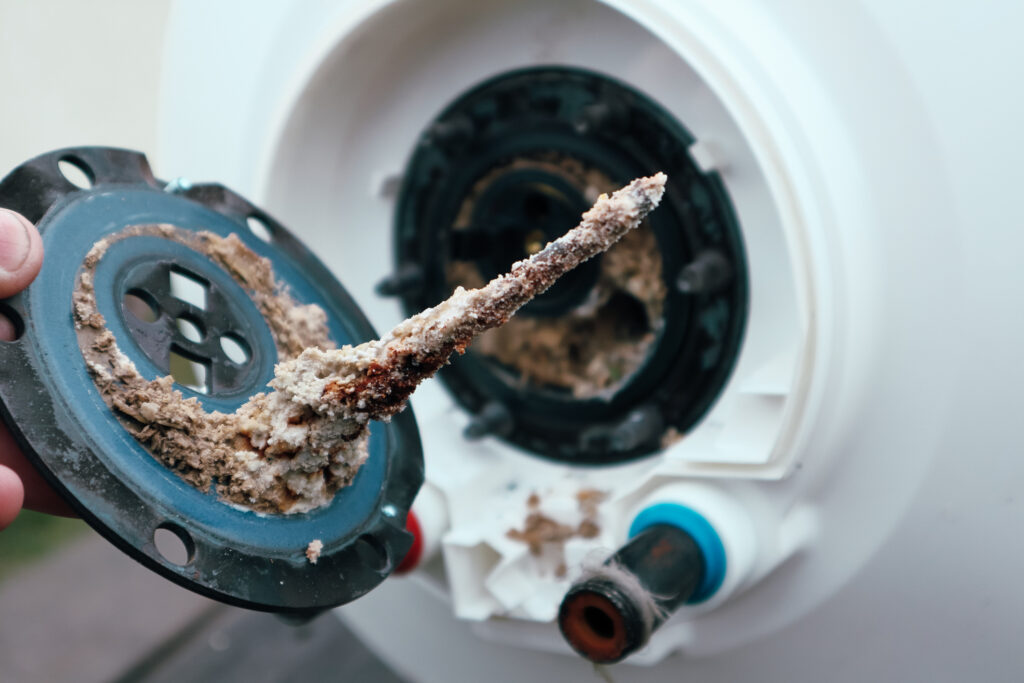
Sediments can settle in pipes, reduce water flow, and clog important components in appliances, leading to inefficiencies and damage. Addressing sediment buildup is essential for maintaining the quality of your water and the functionality of your home systems.
How Sediment Filtration Works
Sediment filtration is a process that removes unwanted particles from water before they enter your home’s plumbing and appliances. It works by passing water through filters made of materials like mesh or cartridges, which trap dirt, sand, and rust while allowing clean water to flow through.
These filters act as a protective barrier, ensuring that sediment doesn’t cause clogs or buildup in your appliances. This simple yet effective system helps preserve the efficiency and lifespan of your water-using devices, making it an essential part of home maintenance.
The Impact of Sediments on Appliances
Appliances Most Affected by Sediments
Some appliances are particularly vulnerable to sediment buildup, often leading to expensive repairs or replacements. Water heaters, for example, suffer when sediment settles at the bottom, reducing heating efficiency and potentially causing overheating.
Dishwashers and washing machines can experience clogged filters and internal components, affecting their performance and shortening their lifespan.
Even small appliances like coffee makers and refrigerators with water dispensers can face reduced functionality due to blocked water lines, making sediment control a necessity for their upkeep.
Problems Caused by Sediment Buildup
Sediment buildup in your home’s water system can create a cascade of problems that affect both your appliances and your daily life. It clogs pipes and filters, leading to reduced water flow and inefficiency. Appliances are forced to work harder, consuming more energy and driving up utility bills.
Over time, this extra strain shortens the lifespan of your appliances, increasing repair and replacement costs. By preventing sediment buildup, you can avoid these issues and ensure smoother operation throughout your home.
Benefits of Using Sediment Filtration
Protecting Your Appliances
Sediment filtration is one of the simplest and most effective ways to shield your appliances from harmful particles like dirt, sand, and rust in your water supply. These particles can cause clogs, blockages, and excess wear, reducing the efficiency and lifespan of appliances like water heaters, dishwashers, and washing machines.
With sediment removed, these appliances can operate smoothly, free from unnecessary strain. This enhanced performance significantly lowers the chances of breakdowns, saving you the cost and inconvenience of frequent repairs. Over time, sediment filtration ensures your appliances last longer, protecting your investment and helping your home run more efficiently.
Improving Energy Efficiency
When sediment-free water flows through your appliances, they operate at peak efficiency, requiring less energy to complete their tasks.
For example, water heaters can heat clean water faster and more effectively, while washing machines and dishwashers can clean thoroughly with less effort. This reduced strain prevents appliances from overworking, which directly lowers your energy consumption.
With consistent maintenance of your sediment filter, you’ll see a noticeable drop in your electricity and gas bills. By keeping sediment out, you’re not only saving energy but also reducing wear and tear, making your appliances last longer and function better.
Saving Money Over Time
Although installing a sediment filtration system involves an upfront cost, the long-term savings make it a wise investment. Appliances that are free from sediment damage require fewer repairs, last longer, and operate more efficiently, cutting down on both repair bills and energy costs.
The reduction in wear and tear also minimizes the need for frequent appliance replacements, saving you significant money over the years.
Additionally, maintaining clean water can reduce maintenance expenses for your plumbing system, as sediment is less likely to clog pipes. By preventing costly surprises and extending the lifespan of your home systems, sediment filtration helps your wallet stay healthier over time.
Enhancing Water Flow
Buildup of particles like dirt and debris in your plumbing system can lead to reduced water pressure and inconsistent flow, creating frustration for everyday tasks. Using a filter to remove these unwanted materials allows water to flow freely and consistently through your pipes.
This results in improved water pressure for showers, faucets, and appliances, making your daily routines smoother and more efficient. Clean and unobstructed water flow also reduces strain on your plumbing system, helping to prevent costly leaks or pipe damage over time. A steady and reliable supply of water enhances the overall functionality and comfort of your home, minimizing potential repair issues.
Contributing to Better Overall Water Quality
Filtering out sediment from your water supply doesn’t just protect your appliances—it also enhances the overall quality of water in your home. By removing visible particles, the process eliminates the gritty and cloudy appearance that sediment can cause, making your water more enjoyable to use.
Cleaner water improves tasks like cooking, cleaning, and bathing, ensuring a more pleasant and hygienic experience for your family. While additional systems may be needed to address chemicals or bacteria, filtering sediment lays the groundwork for improved water quality. It’s an essential step toward ensuring the water you use daily is clear, clean, and dependable for a variety of household tasks.
Reducing Environmental Impact
Filtering your water has benefits that go beyond your home by contributing to a healthier environment. It improves the efficiency and lifespan of your appliances, reducing the need for replacements and cutting down on landfill waste.
Filters, especially reusable ones, minimize the demand for disposable parts, lowering the amount of trash generated from maintenance. Additionally, energy-efficient appliances operating with clean water use less electricity or gas, shrinking your carbon footprint over time.
Combining cleaner water with fewer discarded appliances and reduced energy usage makes filtering an eco-friendly choice that supports sustainable living.
Increasing Home Value
Adding a water filtration system to your home is a practical upgrade that appeals to future buyers. It demonstrates proactive care for your plumbing and water quality, which buyers often see as a valuable feature.
Improved water quality and the extended lifespan of appliances show your home has been well-maintained, providing peace of mind to potential buyers.
This small but impactful investment adds a level of functionality and reassurance that can set your property apart in a competitive market. A properly maintained filtration system is a feature that enhances your home’s appeal and value.
Types of Sediment Filters and Choosing the Right One
Types of Sediment Filters
There are several types of sediment filters available, each suited to different needs and water conditions. Understanding the options can help you select the best filter for your water quality and household requirements. Here are the main types:
- Mesh Filters: Durable and reusable, these filters are designed to capture larger particles like sand or dirt. They are ideal for homes dealing with coarse sediment and require regular cleaning.
- Cartridge Filters: Disposable filters that are more effective at trapping finer particles, making them perfect for areas with higher concentrations of small debris. They are easy to replace but need more frequent attention.
- Sediment Pre-Filters: These filters are often used alongside advanced filtration systems as a first line of defense, protecting the primary filters from heavy sediment loads. They are highly effective in systems requiring multi-stage filtration.
- Spin-Down Filters: Designed for high sediment levels, these filters use a spinning action to separate out larger particles, which can then be flushed out manually or automatically.
- Pleated Filters: These filters have a larger surface area to capture sediment, making them a great option for homes with varying water quality needs.
Choosing the right filter depends on the specific sediment challenges in your water supply, the compatibility with your appliances, and how much maintenance you’re willing to handle.
How to Choose the Right Filter
Selecting the right sediment filter depends on a few key factors, starting with the quality of your local water supply. Testing your water can reveal the type and size of particles you’re dealing with, which will guide your filter choice. Consider the specific needs of your appliances, as some may require finer filtration to operate efficiently.
Maintenance is another crucial factor—determine how often the filter needs to be cleaned or replaced and choose one that fits your budget and lifestyle. With the right filter in place, your appliances and water system will stay in great shape.
Installing and Maintaining a Sediment Filtration System
Why Professional Installation is Key
While some sediment filtration systems offer DIY installation options, professional installation ensures the system is set up correctly and operates efficiently. A professional installer will assess your home’s unique water supply and plumbing system to recommend the most suitable filtration solution.
They’ll identify the best location for the filter, ensuring it captures sediment effectively without disrupting your water flow. Professional installation also reduces the risk of common issues like leaks, improper connections, or insufficient filtration, which can occur with DIY efforts.
By trusting an expert, you gain peace of mind knowing that your system is optimized for performance and longevity.
What to Expect from a Professional Installation
When you hire a professional for sediment filtration installation, the process is thorough and tailored to your home’s needs. It begins with an evaluation of your water quality to determine the type and level of filtration required.
The professional will then install the system, ensuring that it’s correctly integrated with your plumbing and positioned for maximum efficiency. After installation, they’ll conduct tests to confirm proper water flow and filtration, checking for any leaks or potential issues.
Finally, they’ll walk you through the basics of maintaining your system, giving you the tools to keep it running smoothly. A professional installation saves time and ensures the system is set up right the first time.
Regular Maintenance Tips
Maintaining your sediment filtration system is straightforward but crucial to its effectiveness. Filters should be cleaned or replaced at intervals specified by the manufacturer, which can range from a few months to a year depending on your water quality and filter type.
Signs that your filter may need attention include a noticeable drop in water pressure, discoloration, or visible buildup in the filter. Regular inspections for clogs or worn-out components can prevent small issues from becoming costly repairs.
Additionally, keeping a maintenance schedule helps ensure your water stays sediment-free and your appliances remain protected. With consistent care, your sediment filtration system will continue to deliver clean water and peace of mind.
Signs You Need a Sediment Filtration System
Common Indicators in Your Water
Sediment in your water can show up in several noticeable ways. If your water looks cloudy, gritty, or has visible particles floating in it, that’s a clear sign you might need a filtration system. Faucets and appliances that frequently clog or slow down are another indicator of sediment buildup.
Appliances like dishwashers or washing machines breaking down more often than usual could also point to sediment problems. If you notice these signs, it’s time to address the issue before it gets worse.
Testing Your Water Quality
Testing your water quality is the best way to confirm whether sediment is the root of the problem. Simple at-home test kits can detect the presence of particles and provide a rough idea of sediment levels.
For more accurate results, consider hiring a professional water testing service, which can identify not just sediment but other contaminants as well. Knowing the exact type and concentration of sediments in your water helps you choose the right filtration system for your home, ensuring maximum protection for your appliances.
Long-Term Benefits of Sediment Filtration
Installing a sediment filtration system provides long-lasting benefits that go far beyond just protecting your appliances. One major advantage is extending the lifespan of your home’s plumbing and appliances.
Clean water without sediment means fewer clogs and less wear and tear, keeping everything running smoothly for years. It also improves overall water quality, making it safer and more enjoyable for everyday tasks like drinking, cooking, and cleaning.
Another key benefit is peace of mind. With sediment filtration, you can worry less about unexpected breakdowns, costly repairs, or replacing appliances prematurely.
Over time, the system pays for itself through energy savings, reduced maintenance costs, and improved efficiency. Investing in sediment filtration is an easy and practical way to enhance your home and make daily life more convenient.
Protect Your Home and Appliances Today!
Don’t let sediment damage your appliances or disrupt your water quality. At Halpin Plumbing, we specialize in providing reliable sediment filtration solutions for homes in Cincinnati, OH, and Finneytown, OH.
Our expert team is here to help you choose, install, and maintain the right filtration system for your needs. Contact Halpin Plumbing now and ensure your home’s water is clean, efficient, and safe for years to come!

FAQs
How long does a sediment filter last?
The lifespan of a sediment filter depends on its type and water quality. Most disposable cartridge filters need replacing every 3 to 6 months, while reusable mesh filters can last several years with proper cleaning. Always follow the manufacturer’s recommendations for maintenance.
Can sediment filtration improve water taste?
Sediment filtration focuses on removing particles like dirt and rust, so it might improve water taste if these particles were contributing to an off flavor. However, for significant taste improvement, consider pairing sediment filtration with systems like carbon filters.
What should I consider when choosing a sediment filtration system?
When selecting a sediment filtration system, consider factors like your water quality, the size and type of sediment particles present, and the needs of your household appliances. Choose a filter that matches your water challenges and maintenance preferences.
Do all homes need sediment filtration?
Not all homes require sediment filtration, but it’s essential if your water supply has visible particles, frequent clogs, or sediment-related appliance issues. Testing your water quality is the best way to determine if you need one.
Is professional testing necessary for choosing a filter?
While at-home kits are helpful for detecting sediment, professional testing provides a detailed analysis of your water. This ensures you select the right filter type for your specific needs, especially if your water contains multiple contaminants.