







Understanding the role and importance of a pressure reducing valve (PRV) in your home’s plumbing system is crucial for maintaining optimal water pressure. These valves, essential in managing how water flows through your pipes, can significantly affect your household’s water usage and comfort. Whether you’re nestled in the quiet streets of Montgomery, OH, or the bustling neighborhoods of Oakley, OH, knowing how to size and adjust a PRV can save you from unexpected plumbing issues.
Sizing a pressure reducing valve correctly is the first step toward ensuring it functions as intended. It’s not just about picking any valve but finding one that matches your home’s water flow and pressure requirements. This process might seem daunting at first, but with the right information, homeowners can make informed decisions about their plumbing needs.
Adjusting a PRV is equally important to its initial sizing. Over time, the valve may require adjustments to maintain the desired water pressure. This doesn’t necessarily require professional help; with a bit of knowledge, homeowners can learn to manage these adjustments, ensuring their plumbing system remains efficient and reliable.
However, even the best-maintained pressure reducing valve may eventually show signs of needing service or replacement. Recognizing these signs early can prevent more significant issues down the line, such as water damage or exorbitant water bills. In the following sections, we’ll dive deeper into how to size, set, and service your pressure reducing valve, ensuring your home’s plumbing system operates smoothly.
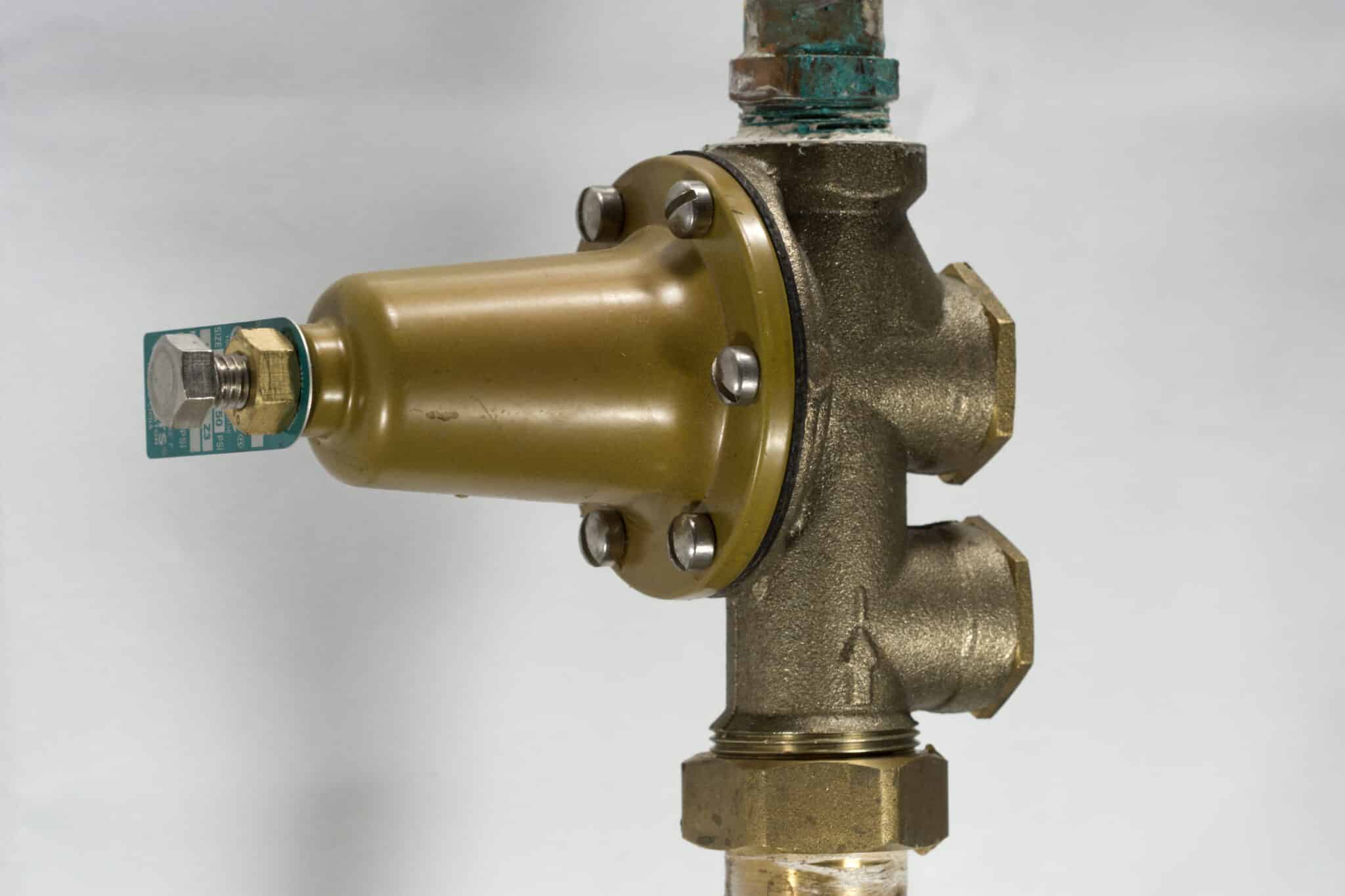
Understanding the Role of a Pressure Reducing Valve
Sizing a pressure reducing valve correctly is crucial for the efficiency of your home’s plumbing system. To start, you need to understand your home’s water demand, which includes the number of bathrooms, appliances, and overall water usage. This information helps in selecting a valve that can handle the flow rate without reducing water pressure too much or too little. Residents of Montgomery, OH, for instance, should consider their local water supply’s pressure levels when choosing a PRV.
Adjusting your pressure reducing valve is a straightforward process that can lead to significant improvements in water pressure management. First, locate the adjustment screw on the valve. Turning it clockwise will increase the pressure, while counterclockwise will decrease it. It’s essential to make these adjustments slowly and to measure the pressure after each adjustment to avoid going beyond the desired pressure.
Over time, a pressure reducing valve might need more than just adjustments. Signs that your PRV requires service include a noticeable drop in water pressure, strange noises coming from the valve, or a constant leakage. These symptoms suggest that the internal components may be worn out or damaged, requiring professional attention. Homeowners in Oakley, OH, experiencing these issues should consult with a plumbing expert to determine if their PRV needs repair or replacement.
Regular maintenance of your pressure reducing valve ensures it operates efficiently for years. Homeowners should schedule inspections and servicing of their PRV as part of their routine plumbing maintenance. This proactive approach not only extends the life of the valve but also helps maintain consistent water pressure, contributing to the overall health of your plumbing system. By understanding how to size, set, and service your PRV, you can ensure a steady and reliable water supply in your home.
How to Determine the Right Size for Your Pressure Reducing Valve
Determining the right size for your pressure reducing valve involves understanding your home’s specific needs. First, calculate the total flow rate by adding up the water usage of all fixtures and appliances. This step is crucial for residents in Montgomery, OH, as it ensures the valve can handle the demand without sacrificing performance. Remember, an oversized or undersized valve can lead to issues with water pressure and efficiency.
Next, consider the static and dynamic water pressure of your home’s plumbing system. Static pressure is the force when no water is flowing, while dynamic pressure measures during use. For accurate sizing, use a pressure gauge to measure both at different times of the day. This data helps in selecting a pressure reducing valve that operates effectively under various conditions.
Adjustment capabilities are also vital when choosing the right pressure reducing valve. Look for a model that allows for easy adjustments, so you can fine-tune the water pressure as needed. Many homeowners in Oakley, OH, find that valves with straightforward adjustment mechanisms save time and hassle. This feature is particularly beneficial for adapting to changes in water usage or pressure requirements over time.
Lastly, consult with a plumbing professional before making a final decision. They can offer valuable insights into the best pressure reducing valve for your home, considering local water conditions and regulations. A professional’s expertise ensures that your valve not only meets your needs but also complies with any local codes in Montgomery, OH. This step is crucial for a successful installation and long-term satisfaction with your plumbing system.
Step-by-Step Guide to Adjusting Your Pressure Reducing Valve
Adjusting your pressure reducing valve is a simple yet crucial task to ensure your home maintains the right water pressure. Start by turning off the water supply to avoid any potential mishaps during the adjustment process. This precaution is especially important for residents in Montgomery, OH, where water pressure can vary. Then, locate the adjustment screw on your valve; this is your tool for fine-tuning the water pressure to your liking.
Turning the adjustment screw clockwise will increase the water pressure, whereas turning it counterclockwise will decrease it. It’s essential to make these adjustments gradually, checking the pressure after each turn with a gauge. This methodical approach prevents any sudden spikes or drops in pressure, ensuring a balanced system. Homeowners in Oakley, OH, will appreciate the precision this step brings to managing their water flow.
After adjusting, it’s critical to monitor the valve’s performance over the next few days. Look out for any signs of leakage or unusual noises, as these could indicate the need for further adjustments or even professional help. By staying vigilant, you can catch any potential issues early, saving time and money in the long run. This proactive stance is beneficial for maintaining a healthy plumbing system.
Finally, remember to turn the water supply back on and check that all your fixtures are receiving the correct pressure. This last step confirms the success of your adjustment efforts. By following these guidelines, you can ensure your pressure reducing valve operates efficiently, providing your home with consistent and reliable water pressure. This hands-on approach empowers homeowners to take charge of their plumbing needs, fostering a sense of accomplishment and peace of mind.
The Importance of Regular Maintenance for Pressure Reducing Valves
Regular maintenance of your pressure reducing valve is key to ensuring its longevity and performance. Just like any other part of your home’s plumbing system, this valve needs to be checked periodically to ensure it’s functioning correctly. For homeowners in Montgomery, OH, scheduling an annual inspection with a plumbing professional can help catch any issues before they become serious. This proactive step can save you from unexpected water pressure problems and costly repairs.
During these inspections, a plumber might clean the valve, check for wear and tear, and make any necessary adjustments. It’s important to remember that sediment build-up or corrosion can affect the valve’s efficiency over time. Residents in Oakley, OH, dealing with hard water might find their pressure reducing valves need more frequent checks. Keeping the valve clean and in good working order helps maintain consistent water pressure and extends the valve’s life.
If you notice a change in water pressure or hear noises coming from the valve between scheduled maintenance, don’t hesitate to call a professional. These signs could indicate that the valve is failing and needs immediate attention. Ignoring these warnings can lead to bigger problems, like leaks or significant pressure variations. Acting quickly not only keeps your plumbing system reliable but also protects your home from potential water damage.
Finally, understanding how to perform basic maintenance tasks, such as cleaning the valve’s exterior and monitoring water pressure, empowers homeowners to take an active role in their plumbing system’s upkeep. While professional help is essential for in-depth maintenance, familiarizing yourself with your pressure reducing valve’s operation can help you identify when it’s time to call in the experts. By staying informed and proactive, you ensure that your home enjoys balanced water pressure and efficient plumbing performance.
Identifying Signs Your Pressure Reducing Valve Needs Service
Knowing when your pressure reducing valve needs service is crucial for maintaining your home’s plumbing system. In Montgomery, OH, homeowners might notice a significant drop in water pressure, which often signals a problem. This decrease can affect everything from your morning shower to your garden hose’s effectiveness. It’s a clear indication that your valve might be struggling to regulate water flow properly.
Another sign to watch for is unusual noise coming from the valve, such as banging or whistling sounds. These noises can suggest that internal parts are worn or that the valve is operating under stress. Residents in Oakley, OH, experiencing these sounds should consider them a prompt to inspect their system. Ignoring these auditory cues can lead to more severe issues down the line.
Leakage is a more visible and immediate concern that indicates your pressure reducing valve requires attention. If you spot water pooling around the valve or moisture along your pipes, it’s time to act. Leaks not only waste water but can also cause damage to your home and increase your water bill. Quick action can prevent minor issues from escalating into costly repairs.
Finally, if adjusting your valve no longer stabilizes the water pressure as it used to, service may be necessary. Over time, valves can lose their ability to adjust effectively due to normal wear and tear. This loss of functionality can disrupt your home’s water pressure balance, making professional assessment and possibly replacement essential for restoring efficiency. Recognizing these signs early can save homeowners from the inconvenience of sudden plumbing failures.
Common Mistakes to Avoid with Pressure Reducing Valves
When installing or maintaining a pressure reducing valve, a common mistake is neglecting the initial setup. Many homeowners in Montgomery, OH, may overlook the importance of accurately setting the valve according to their home’s specific water pressure needs. This oversight can lead to either too high or too low water pressure, affecting the efficiency of the household’s water usage and potentially causing damage to the plumbing system. Proper setup ensures the valve operates effectively, maintaining a balance between saving on water usage and protecting the plumbing infrastructure.
Another frequent misstep is failing to regularly check the valve for signs of wear and tear. Just like any mechanical device, a pressure reducing valve can degrade over time. In Oakley, OH, for example, the quality of water and its mineral content can accelerate the wear on plumbing components, including the pressure reducing valve. Regular inspections can catch issues early, preventing unexpected failures and the need for emergency plumbing services.
Ignoring the manufacturer’s guidelines for maintenance and adjustment is also a mistake to avoid. Each pressure reducing valve comes with specific instructions for optimal performance and longevity. Homeowners who disregard these recommendations may find themselves facing frequent malfunctions or decreased efficiency. Adhering to these guidelines not only prolongs the life of the valve but also ensures it functions correctly, providing consistent water pressure.
Lastly, attempting to repair or adjust the pressure reducing valve without the proper knowledge or tools can lead to more significant problems. While some may consider it a cost-saving measure, this approach often results in further damage or incorrect adjustments, leading to issues with water pressure that require professional intervention. It’s always best to consult with a plumbing expert when service or adjustments are needed, ensuring the work is done correctly and safely.
Pressure Reducing Valve Installation Tips
Installing a pressure reducing valve correctly is essential for the smooth operation of your home’s plumbing system. Before beginning the installation, ensure you have all the necessary tools and the valve that matches your home’s specifications. Residents of Montgomery, OH, should also check local building codes to comply with regional requirements. This preparatory step prevents potential issues and ensures a seamless installation process.
When positioning the pressure reducing valve, it’s crucial to install it with the flow direction arrow pointing towards your home’s water flow. This common oversight can lead to poor performance and even damage to the valve. Homeowners in Oakley, OH, will find that taking the time to install the valve correctly pays off in the long run with consistent water pressure and reduced risk of plumbing problems. Proper installation also makes future adjustments or maintenance easier to manage.
After installing the pressure reducing valve, testing the system is a critical next step. Slowly turn on the water supply and check for leaks or unusual noises. This process helps identify any immediate problems that need addressing. By ensuring everything is working correctly from the start, you can save yourself from headaches and potential water damage down the line.
Finally, don’t forget to register your pressure reducing valve if the manufacturer offers a warranty or registration program. This step is often overlooked but can be invaluable if you encounter issues in the future. Registering your valve not only provides peace of mind but also ensures you have access to support and potential replacements if needed. By following these tips, homeowners can enjoy the benefits of a well-installed pressure reducing valve, maintaining balanced water pressure and efficient plumbing performance.
How to Troubleshoot Pressure Reducing Valve Issues
Troubleshooting issues with your pressure reducing valve is a critical skill for homeowners in Montgomery, OH, aiming to maintain an efficient plumbing system. Initially, check for any visible signs of damage or wear on the valve, as these can be the root cause of performance problems. If the valve appears intact, the next step is to verify that it’s set to the correct pressure for your home. This process involves using a pressure gauge to measure the water pressure coming into your home and adjusting the valve accordingly.
In Oakley, OH, residents might encounter fluctuations in water pressure that can indicate issues with their pressure reducing valve. If adjusting the valve doesn’t stabilize the pressure, it’s essential to inspect the valve for sediment build-up or obstructions. Cleaning the valve can often resolve these issues, restoring proper function. It’s a simple yet effective approach to ensuring your plumbing system operates smoothly.
Another common problem is a continuous leak or drip from the valve, a clear sign that it requires attention. In such cases, replacing the internal parts of the pressure reducing valve or the entire unit might be necessary. Homeowners should consider consulting a professional plumber to accurately diagnose and remedy the issue, ensuring the longevity of their plumbing infrastructure.
Lastly, staying proactive about routine maintenance and understanding the basics of how your pressure reducing valve works can prevent many issues. Regular checks and adjustments can keep the valve functioning optimally, avoiding the inconvenience of unexpected plumbing problems. By adopting a diligent approach to plumbing care, residents can enjoy consistent water pressure and efficient home water use.

Frequently Asked Questions
What is a Pressure Reducing Valve?
A pressure reducing valve (PRV) is a key component in your plumbing system that manages water pressure. It lowers the pressure from the main water line before it enters your home. This ensures your pipes and appliances operate safely and efficiently. Without a PRV, high pressure could cause leaks or damage.
How do you size a Pressure Reducing Valve?
Sizing a pressure reducing valve correctly is crucial for its effectiveness. It depends on your home’s water flow rate and the incoming pressure. You measure flow in gallons per minute and compare it to the valve’s specifications. This ensures your plumbing system gets the right valve for optimal performance.
What tools are needed for valve adjustment?
Adjusting a pressure reducing valve requires a few basic tools. You’ll need an adjustable wrench and a screwdriver for most models. Sometimes, a pressure gauge is also helpful to accurately measure water pressure before and after adjustment. With these tools, you can ensure your valve is set for optimal performance, keeping your plumbing system running smoothly.
When should a valve be adjusted?
A valve needs adjusting when you notice changes in water flow or pressure. If water speeds up or trickles, it’s time to check. This ensures your plumbing stays in top shape, avoiding leaks or damage. Regular maintenance keeps the pressure reducing valve working smoothly, protecting your home.
Can valves be installed outdoors?
Yes, pressure reducing valves can be set up outside. They need protection from freezing and direct sunlight, though. Installing them in a sheltered spot or using an insulation cover works well. This way, your valve stays safe and functional, no matter the weather.