







Key Takeaways About Pressure Booster Systems
Pressure Booster Systems raise and stabilize household water pressure using a pump and tank to smooth flow. This summary is for homeowners and property managers deciding when to size or install a booster and when to call a professional.
- Identify peak fixture flow to match pump capacity accurately.
- Prevent short cycling by choosing the correct tank volume.
- Avoid excessive pressure by confirming safe cut-in and cut-out settings.
- Spot source limitations with static and dynamic pressure tests.
- Reduce noise with isolation mounts and larger tanks or VFDs.
- Plan installations considering space piping layout and maintenance access.
Introduction
Low or inconsistent water pressure can make showers, irrigation, and appliances underperform at the worst times. A pressure booster system corrects those dips by raising and stabilizing water flow so fixtures work as intended. Choosing the right pump and tank matters because the wrong size causes short cycling, noise, or damage. Many homeowners notice issues only after several fixtures are used at once.
Selecting and sizing a pressure booster involves matching pump output to household demand and pipe layout. Tank options affect how often the pump runs and how steady the pressure feels at the taps. Noise control becomes important when pumps sit near living spaces, basements, or garages. Local properties in Montgomery, OH may face different installation challenges than properties in Oakley, OH.
Safe pressure settings protect plumbing fixtures and appliances from excess stress and leaks over time. A pressure-reducing valve or proper controller keeps peak pressure within recommended limits for household plumbing. Excessive pressure often shows as banging pipes, dripping fixtures, or premature appliance wear. Professionals use pressure gauges and flow measurements to confirm safe settings.
Many homeowners first spot problems through sounds, slow recovery after a heavy draw, or visible leaks around fittings. A plumber will inspect the main shutoff, check the PRV, test static and dynamic pressure, and measure flow rates. Those diagnostic steps reveal whether a booster, larger tank, or noise mitigation is the best next step. If you notice recurring pressure problems it is wise to schedule a professional inspection.
How Pressure Booster Systems Work And Why It Happens
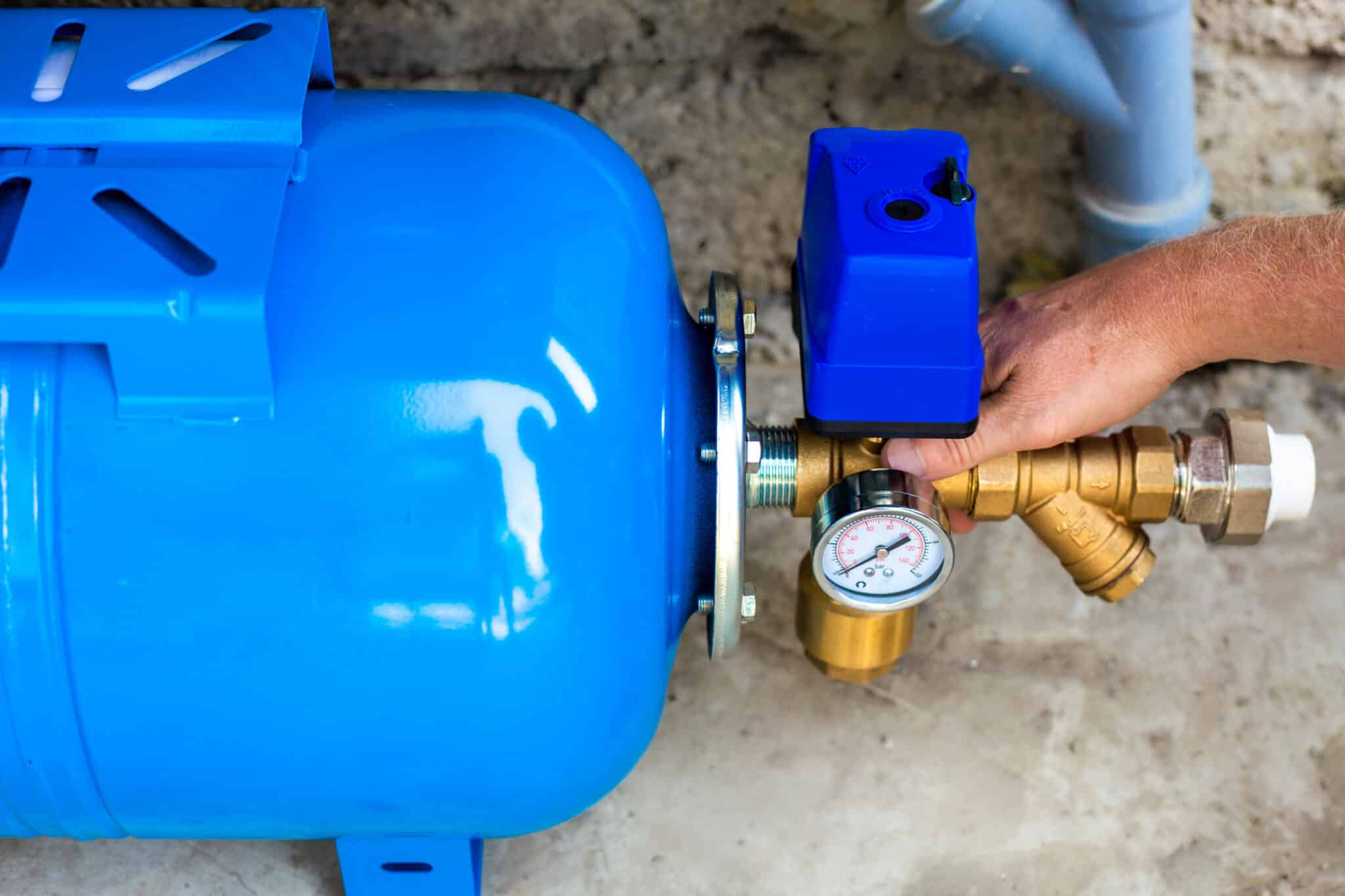
Pressure Booster Systems raise and stabilize household water pressure by increasing flow and storing pressurized water for use. The pump senses pressure drop and starts to supply more water until set pressure is reached. A pressure switch or electronic controller stops the pump when the tank or system reaches target pressure. This process smooths out dips when multiple fixtures run at once.
- Pump delivers flow measured in gallons per minute.
- Tanks store pressurized water to reduce pump starts.
- Check valves prevent backflow toward the main supply.
- Pressure switches control when the pump runs.
- Pressure gauges let a technician read static and dynamic pressure.
When homeowners ask whether a pump will fix weak taps, the short answer is yes if the source flow can support the booster. A professional checks static pressure and flow rate with a pressure gauge and flow measurement before recommending equipment. They will also examine the main shutoff, PRV, and existing piping for restrictions that could limit performance. Proper diagnosis prevents oversizing or unnecessary equipment purchases.
Noise and cycling behavior often reveal what part of the system causes problems, such as a small tank or rapid on-off cycles. A small or waterlogged tank leads to frequent pump starts and short cycling that shortens pump life. If the pressure switch setting is too tight, the pump may run more often than needed and cause noise in walls and ceilings. Adjustments and tank sizing can usually resolve these symptoms without full replacement.
Common Causes Of Low Household Water Pressure
Hard water or mineral buildup inside pipes and fixtures can narrow flow and reduce pressure at faucets. Sediment accumulates at fixtures, strainers, and in-line screens causing slow trickles or uneven flow. A technician inspects aerators, shower heads, and accessible shutoff valves and may use a simple visual check or remove components for cleaning. If scale appears widespread, the homeowner might consider a whole-house treatment before sizing a booster.
Partial blockages from debris or closed valves upstream often mimic a failing pump by limiting available flow. Pipe corrosion or collapsed sections inside older plumbing can also restrict water and lower pressure in multiple rooms. A plumber will run a pressure gauge test at the service connection and then at fixtures to locate pressure drops. That sequential testing shows whether the problem sits before or after the property shutoff.
A misadjusted or failing pressure-reducing valve creates unstable or low downstream pressure and can confuse booster control. Professionals check PRV operation and settings because a booster must work with correct downstream regulation to avoid short cycling. For guidance on matching PRV settings to household needs, see the advice on pressure reducing valve sizing. Adjusting or replacing a worn PRV often restores steady pressure without replacing the pump.
Supply limitations from the street or municipal side sometimes cause low pressure during peak demand times, affecting homes differently. Homeowners in Montgomery, OH may notice dips when neighbors use irrigation or laundry simultaneously. Private wells can show similar symptoms when the well pump or drawdown fails to supply required flow. In a common situation, a homeowner hears long pump runtimes and measures low dynamic pressure, and a professional will check source flow rate and static pressure with a pressure gauge to confirm the source issue.
Recognizing Warning Signs Of System Failure
Listen for repeating short cycles or a pump that runs in rapid bursts, these noises often mean a failing bladder or wrong tank sizing. A professional inspects the pressure tank and may drain it to test for a waterlogged condition. They use a tire pressure gauge or tank pressure gauge to compare precharge to target pressure. If the bladder has ruptured, visible water at the tank base or constant pump starts usually confirm the failure.
Watch for pressure decay when all fixtures are closed, a steady drop indicates a leak or a bad check valve between pump and tank. A plumber isolates the system by closing the main shutoff and observing pressure on a gauge to locate leaks or backflow. They also inspect fittings, union joints, and the check valve seat for visible corrosion or debris. Repairing the damaged component often stops the drain-down without replacing the entire pump assembly.
Frequent long pump runs during normal household use can point to undersized pump capacity or an undersized tank that cannot meet demand. Technicians measure flow in gallons per minute at representative fixtures and log pump runtime during typical draws to match required capacity. Matching pump curve output to measured flow helps avoid oversizing and short cycling. For homes that need extra storage to reduce starts, professionals also evaluate expansion tank options and may reference guidance on expansion tank sizing.
Irregular pressure spikes or hammering may come from loose pipe straps, poor mounting, or an incorrectly adjusted pressure switch setting. A service technician checks strap spacing, mount isolation pads, and the pressure switch differential with a pressure gauge while running water. They will adjust the switch or add a larger tank to smooth cycles and reduce spikes. Homeowners in Montgomery, OH and Oakley, OH often notice these audible cues before visible leaks appear.
Selecting The Right Booster Size For Home Needs
Begin by estimating peak household demand in gallons per minute during simultaneous fixture use. Measure flow at representative fixtures and add those flows to get peak GPM. A professional will confirm these numbers with a pressure gauge and timed bucket test. Those measurements set the baseline for pump selection and help avoid oversizing the booster.
- Record shower flow rates in gallons per minute.
- Measure kitchen and laundry fixture flows separately.
- Include irrigation or outdoor hose use if simultaneous.
- Note any fixtures with visibly low flow during tests.
Next, compare required GPM to pump curves supplied by manufacturers to pick a suitable model. Look for a pump that delivers required flow at the household’s necessary pressure rise. Consider head loss from fittings and pipe length when reading a pump curve. A mismatch here causes poor performance or wasted energy.
Select a tank size that reduces short cycling but avoids excessive cost or space needs in basements or utility rooms. Larger tanks lower pump starts per hour and stabilize delivery during brief draws. Use precharge settings that match the pump’s cut-in pressure to prevent rapid cycling. If unsure about tank type, review diagnostic results and pressure readings before deciding.
Consider controller options like variable frequency drives for smoother starts and lower noise during operation. These controllers adjust pump speed to match demand and can extend pump life. For homeowners unsure about source limits, read about diagnosing municipal or supply limits on low water pressure. In Montgomery, OH and Oakley, OH properties, confirming source capacity before purchase avoids installing equipment that cannot perform.
Choosing Between Tank Types And Configurations
Start by picking tank type based on how often the pump runs and available space near the pump. A diaphragm or bladder tank isolates air from water and reduces pump cycling by storing pressurized water between starts. Steel hydropneumatic tanks without bladders can work but need regular air checks and may require a separate maintenance routine. Professionals check precharge pressure with a tire-style gauge to match the pump cut-in setting before finalizing tank choice.
Decide on tank volume using measured peak GPM and desired run length to reduce starts per hour and extend pump life. A larger tank smooths short draws and helps maintain steady pressure during multi-fixture use without rapid cycling. Tank placement affects piping layout and noise transmission, so situate the tank near straight runs of pipe to minimize vibration and pressure losses. For homes that also use filtration equipment, plan space for both the tank and treatment devices to avoid cramped installations.
Consider combined configurations like a pressure tank with a small accumulator or a variable frequency drive controller for finer pressure control and fewer starts. VFDs let the pump run at lower speeds during light demand, giving steadier pressure and quieter operation while reducing electrical peaks. When adding treatment devices, coordinate plumbing so the booster supplies sufficient flow without compromising system backpressure or filtration performance. Homeowners interested in whole-house treatment can review integrated options that pair with boosters and tanks in the water treatment planning stage at water filtration systems.
Tank material and corrosion resistance matter for longevity and maintenance effort in varying water qualities around Montgomery, OH and in older homes in Oakley, OH. Choose coatings or stainless components when local water tests indicate aggressive chemistry to prevent early tank failure and leaks. Technicians may perform a visual inspection, measure tank precharge, and run a timed draw test to confirm the chosen tank size meets runtime and recovery targets. If uncertainties or signs of corrosion appear, contact a professional to inspect options and provide a written recommendation.
Noise Control Strategies For Quieter Operation
Vibration isolation reduces transmitted noise from a booster pump into nearby rooms by decoupling the pump from rigid piping and mounts. Use rubber or neoprene isolation pads under the pump base and flexible connectors on pipe flanges to absorb vibration before it travels into framing. A technician inspects pipe straps and may add extra clamps or isolators to prevent rattle during pump starts. For visible pipe wear or corrosion near mounting points, consider scheduling a repair to stop future noise and leaks.
Motor and pump selection affects tonal noise, pumps with smoother impeller designs and balanced motors usually run with fewer high-pitched vibrations. Variable frequency drives reduce mechanical shock by allowing soft starts and gradual speed changes that cut audible starts and stops. When electronic controllers are not an option, adding a larger pressure tank can reduce the number of on/off cycles and the associated noise. Professionals check wiring, motor mounts, and grounding to ensure electrical noise does not couple into the plumbing system.
Enclosing the pump in a ventilated acoustic cabinet lowers perceived noise while keeping airflow for cooling and service access. Use rigid panels lined with acoustic foam and include removable access for inspections, pressure switch adjustments, and valve servicing. Ensure the enclosure does not trap moisture against piping or valves, which can cause corrosion and later leaks requiring pipe repairs. A maintenance plan should include periodic checks of enclosure ventilation and interior hardware tightness to maintain low noise over time.
Pipe layout changes often solve humming or water hammer by removing long unsupported runs and adding short loops or struts to break resonant lengths. Install water hammer arrestors near fast-closing valves or dishwasher connections to absorb sudden pressure spikes that cause banging sounds. For homes in Montgomery, OH a technician may reroute noisy sections away from living spaces when feasible during upgrades. In Oakley, OH properties, plumbers often recommend combining tank changes with isolation work to achieve quieter daily operation.
Safe Pressure Settings And Pressure Regulation Guidance
Set safe cut-in and cut-out pressures based on common household limits so fixtures and appliances avoid stress and leaks over time. A typical residential range is often around 30 to 50 psi differential, but confirm with a professional before adopting any setting. Technicians use a pressure gauge at the service line and at fixtures to read static and dynamic pressure under load. If you have a pressure-reducing valve, coordinate its setting with the booster to prevent conflicting regulation and short cycling.
- Record static pressure at the main shutoff.
- Measure dynamic pressure during typical fixture use.
- Set pump cut-in and cut-out to match tank precharge.
- Use a pressure gauge for final verification.
When adjusting settings, keep maximum household pressure below values that most fixtures tolerate to avoid seal and valve failure. For homes with older plumbing, aim for the lower end of safe pressures and monitor for leaks after changes. A professional will inspect shutoff valves, check valves, and the PRV before altering booster controls. If you cannot locate the main supply shutoff, see the guide to finding it for safe testing procedures.
Professionals diagnose pressure issues by watching pump behavior while running a representative fixture and logging pressure with a gauge. They commonly perform timed bucket tests to measure flow in gallons per minute while noting pump run time and pressure swings. Technicians also check the tank precharge with a tire-style gauge and compare it to the pump cut-in pressure. If readings show wide swings or rapid cycling, they recommend adjusting tank size or controller settings rather than raising pressure dangerously.
Noise, vibration, and system wear often increase when pressure settings are too tight or too high for the plumbing layout and fixtures. Reducing cut-in/cut-out spread or adding a larger bladder tank usually smooths delivery and lowers start frequency. For property owners in Montgomery, OH, minor changes can prevent noisy cycles that echo through finished spaces and framing. In Oakley, OH homes with older fixtures, conservative pressure settings help prolong valves and appliance seals while maintaining usable flow.
When To Call A Professional For Pressure Booster Systems
If you notice persistent pressure swings, repeated pump starts, or unfamiliar noises despite basic adjustments, call a professional to diagnose the booster and system. A technician will inspect pump wiring, check valve seating, and read static and dynamic pressures with accurate gauges. They may also review tank precharge and the pressure switch differential to determine whether the booster, tank, or controls need service. Addressing these issues early prevents pump burnout and hidden leaks that worsen over time.
Schedule professional help if you find leaks around fittings, corrosion on tank seams, or water pooling near the pump base during operation. A plumber will perform a pressure decay test and a visual inspection of unions, P-trap connections, and shutoff valves to locate the source. They might also test for backflow or a failing check valve that allows slow pressure loss when fixtures are closed. Fixing the underlying leak usually restores normal pump behavior and reduces unnecessary cycling.
Contact a pro when replacement of major components seems likely, such as a ruptured bladder or a failing motor that emits burning smells or smoke-like odors during startup. A trained technician uses multimeter voltage checks and visual motor inspection to confirm electrical faults before recommending replacement or repair. They will provide written options comparing a new pump, upgraded controller, or a larger tank, with clear reasoning based on measured flow, runtime, and pressure readings. For related plumbing failures, consider whether your water heater also needs attention and review guidance on water heater repair needs.
When system upgrades are under consideration, such as adding a VFD or switching tank types, call a professional to size and integrate components safely. They evaluate pipe layout, available amperage, and fixture demand to prevent electrical overloads or poor hydraulic matches. Installation choices affect noise, longevity, and warranty coverage, so written specs and test readings help you compare options. Homeowners in Montgomery, OH and Oakley, OH often benefit from a pre-install inspection that documents existing conditions and recommended changes.
Frequently Asked Questions
How do Pressure Booster Systems improve low household flow?
Pressure Booster Systems increase water pressure by adding pump-driven force after the main supply, improving flow at fixtures like showers and faucets. They maintain steady delivery during simultaneous use by using a pressure switch and a check valve to prevent backflow. Proper sizing and a pressure tank reduce pump cycling and preserve flow consistency, improper installation can over-pressurize pipes. If you suspect poor pressure or noisy cycling, caution: contact a licensed plumber to inspect piping, install pressure relief devices, and set safe pressure limits.
What size pump and tank do I need for peak GPM?
Match pump flow (GPM) to your peak simultaneous fixtures, add a 20–30% margin to avoid short cycling.
Choose a pump with a duty point on its curve near your system pressure and peak GPM for efficiency.
Select a pressure tank large enough to supply a few gallons at cut-in pressure, larger tanks reduce pump starts.
Caution: incorrect sizing risks rapid wear and water hammer, have a licensed plumber confirm GPM measurements, pressure settings, and equipment selection.
How can I reduce pump noise and vibration at home?
Mount the pump on a solid, level pad using rubber vibration mounts to isolate mechanical noise from the structure. Fit a flexible hose or braided connector between the pump and plumbing to prevent chatter transferring into pipes. Add an adequately sized pressure tank or bladder to reduce short cycling and lower pump start-stop noise, a professional can confirm correct tank sizing. If you hear knocking, grinding, or smell burning, shut off power and call a licensed plumber because those signs indicate safety risk.
What are safe cut-in and cut-out pressure settings?
Most residential Pressure Booster Systems use cut-in around 30-40 psi and cut-out around 50-60 psi to protect fixtures and appliances. Lower settings can cause frequent pump cycling and motor wear, while higher settings stress pipes and fixtures. Check your water heater and appliance maximum pressure ratings before raising cut-out, if unsure, consult a professional plumber. If you suspect leaks, hammering, or faulty PRV behavior, stop and call a pro to avoid safety risks and property damage.
How do technicians diagnose recurring pressure drops?
Technicians start by asking when and where drops occur, noting sounds, timing, and which fixtures lose pressure. They measure static and dynamic pressure with a pressure gauge at the main and at fixtures to compare readings. Inspecting the booster pump, pressure tank, check valve, and PRV reveals leaks, waterlogged tanks, or pump cycling issues. If tests show unsafe wiring, leaks, or irregular pressure, the technician will warn you and recommend a professional repair.