








Key Takeaways About Hose Bib Replacement
A hose bib replacement is swapping or upgrading an exterior spigot and its related interior shutoff to stop leaks and freeze damage. This guide helps homeowners and property managers decide when to act to limit wall damage and future repairs.
- Identify steady drips loose mounts or visible corrosion early.
- Prevent freeze damage by choosing frost proof valves correctly.
- Avoid large drywall cuts by using short stems or access panels.
- Spot hidden leaks with moisture meters and small inspection cameras.
- Reduce repair scope by testing interior shutoffs before cutting.
- Plan replacements when multiple signs of wear or freeze appear.
Introduction
A leaking or loose hose bib can ruin siding, insulation, and create hidden water damage inside walls. Homeowners notice wet trim, rust stains, or a faucet that won’t shut off completely. In cold months a failing bib can allow freeze damage that spreads into framing. For many, deciding when to replace a hose bib is about limiting repair scope and future headaches.
Frost-proof hose bibs reduce freeze risk by moving the shutoff further inside the house. These valves still fail over time from wear, corrosion, or frozen incidents that bend the stem. Replacing the exterior spigot while preserving finished walls keeps repair costs and drywall damage lower. That concern matters most when exterior finishes are costly to patch or match.
Minimizing wall damage often means routing replacement work through existing access points or using short replacement stems. A professional can evaluate the wall cavity, shutoff valve, and supply line with minimal cutting. Homeowners in Oakley, OH and Montgomery, OH face similar tradeoffs between a quick fix and a durable replacement. The right choice prevents repeated callouts and more invasive future repairs.
Signs that replacement is needed include persistent leaks, hard-to-turn handles, or visible corrosion at the spigot base. A qualified plumber will shut off water, test the supply line, and inspect the shutoff valve and wall cavity. If frost-proof options make sense, they will explain how those valves change freeze risk and access needs. Acting before a major leak keeps repairs limited and lowers disruption to living spaces.
Understanding Hose Bib Function And Why It Fails
A hose bib is the exterior valve that supplies outdoor water and shuts off during winterization. A good hose bib delivers reliable flow without internal leaks and resists corrosion from outdoor exposure. Homeowners often ask whether a noisy or dripping spigot needs full replacement or just a washer change. A simple diagnostic can answer that question quickly and avoids unnecessary wall work.
- Body corrosion around the spout indicates replacement is likely needed.
- Loose mounting or wobble at the wall suggests the flange or strap needs attention.
- Stiff or stripped operating stems mean internal wear or frozen damage.
- Wet insulation behind the bib means the leak has moved past the exterior.
Most failures start with the packing or washer sealing surfaces wearing from use and mineral buildup. Repeated freezing can bend the stem or crack the valve body, which a simple washer swap cannot fix. A homeowner can test shutoff effectiveness by closing the valve and watching for drip or pressure loss over an hour. If water continues to appear, a replacement is usually the correct next step.
A professional diagnosis inspects the exterior spigot, the interior shutoff, and the supply tubing for a clear cause. They will shut the supply, remove the spigot, check the shutoff valve, and examine the wall cavity for moisture or rot. Technicians often use a moisture meter and a small inspection camera to confirm damage behind finished walls. For owners concerned about cross-connection risks, see the discussion on common backflow issues at hose bib backflow problems.
Homeowners in Oakley, OH should watch for seasonal changes in faucet behavior to catch problems early. For properties in Montgomery, OH, prompt diagnosis limits wall repairs and prevents spread into framing or insulation. If you notice rust stains, slow shutoff, or interior damp spots, contact a plumber for a clear inspection and recommendation. Acting on those signs keeps repair scope smaller and reduces the chance of hidden damage.
Common Causes Of Hose Bib Failure In Oakley
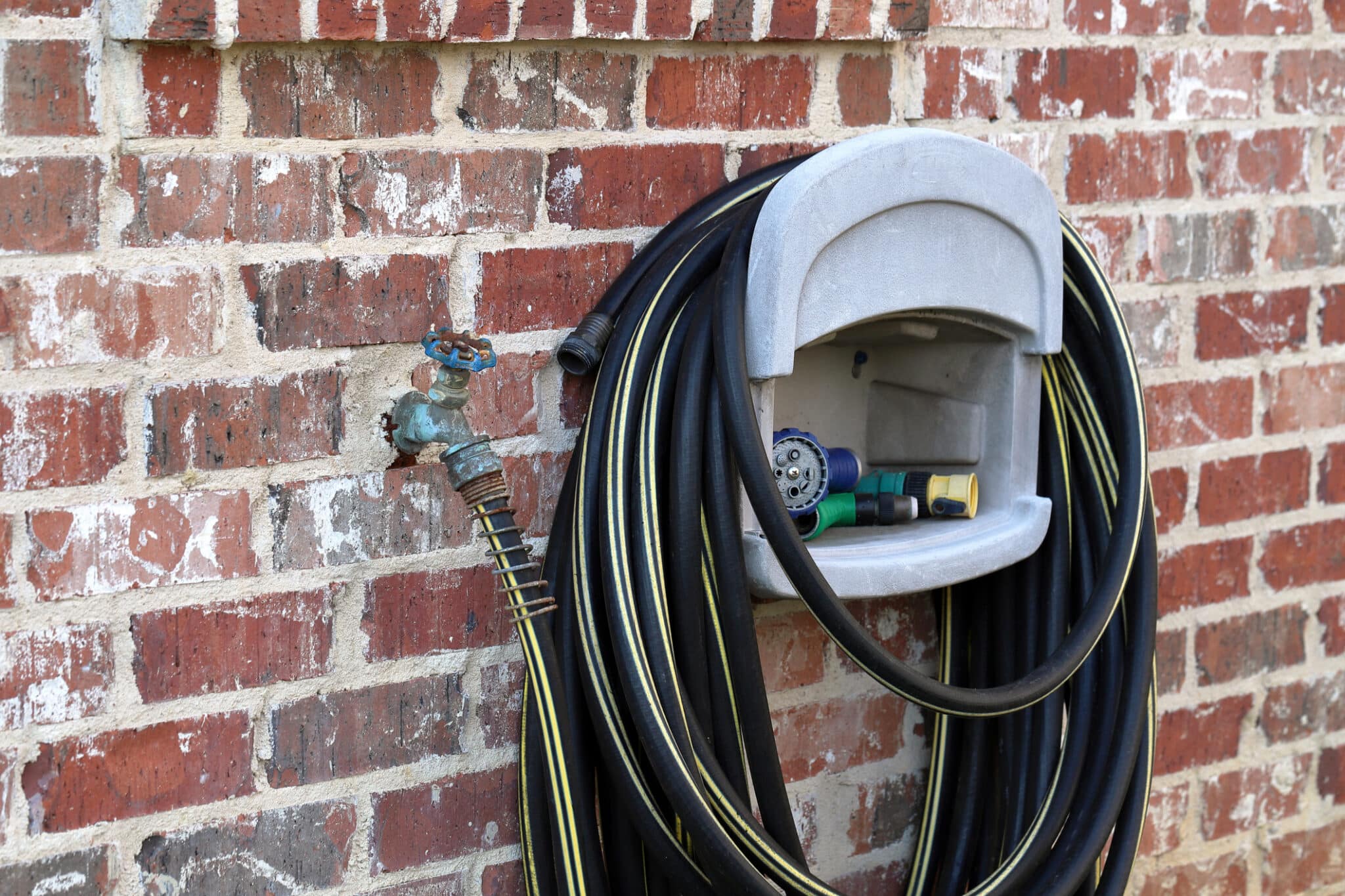
Outdoor exposure causes many hose bib failures through a few common paths homeowners notice. Sun and rain degrade softer metals and seal materials over years. Mineral buildup from hard water can score the valve seat and prevent a tight shutoff. Rodents or insects nesting near the wall can also damage insulation and tubing near the valve.
Mechanical stress at the mounting point often leads to wobble and eventual joint failure around the spigot. Garden hoses left attached for long periods add leverage that loosens mounting screws and strains the supply line. Repeated force on a frozen or stiff stem can bend the valve stem or strip the internal threads. If the mounting flange pulls away, water can leak into the wall cavity and reach framing quickly.
Internal corrosion and electrolytic action between dissimilar metals silently eat valve bodies from the inside out. Brass can pit where copper, steel, or aluminum parts contact water with certain mineral content. A plumber will inspect for this corrosion by removing the spigot and examining the valve body and supply line. They may use a moisture meter or visual inspection of the shutoff valve to confirm internal leaks.
Freezing events create one of the most destructive failure modes when the valve isn’t frost-resistant. A frost-free design keeps the seat and packing inside the heated wall space, avoiding ice expansion at the spout. Homeowners considering this change can read about similar options at frost-free faucets. For properties in Montgomery, OH and Oakley, OH, repeated freeze damage often means replacement rather than repair.
Recognizing Warning Signs Before Hose Bib Replacement
Watch for a steady but slow drip that continues after the hose is disconnected, that indicates internal seat wear or a failing packing nut. Smells of must or visible staining near the interior wall reveal long-term moisture intrusion and possible insulation damage. If the handle turns without engaging the valve, the stem or internal threads likely failed and need direct inspection. A plumber will pressurize the line briefly to confirm whether flow stops completely or leaks persist under pressure.
Listen for running water inside walls when all fixtures are off, this sound often comes from a leaking supply line or a stuck interior shutoff. Check the mounting flange for movement when you wiggle the spigot, since a loose mount can allow water to bypass seals and enter the cavity. A professional will remove the bib to inspect the shutoff valve, supply tubing, and nearby framing for soft wood or rot. They may use a moisture meter to record readings and photos for a clear assessment.
Seasonal performance changes are a key sign: a bib that leaks only during temperature swings may have a hairline crack or a stem that contracts differently than the body. Homeowners in Oakley, OH sometimes notice slow leaks after prolonged cold snaps, which should prompt an inspection before damage spreads. A diagnostic check includes closing the interior shutoff, bleeding the line, and testing for residual seepage at the seat and packing. Technicians also look for mineral buildup at the spout that can hide deeper corrosion.
Persistent wet spots behind siding or wet insulation point to an active leak that will worsen without replacement or repair. For freeze prevention advice and steps you can take now, see guidance about preventing a frozen pipe before temperatures drop. If a visual inspection shows cracked threads or a distorted stem, replacement usually avoids repeat failures. When signs combine, moisture, loose mounting, and impaired shutoff, schedule a professional evaluation to determine if hose bib replacement is the best long-term fix for properties in Montgomery, OH.
Frost Proof Options And How They Work
Frost-proof valves extend the shutoff seat into the heated space so water cannot freeze at the spout during cold weather. These valves use a long stem and packing that keeps the operating components inside the wall cavity and away from exterior temperatures. Installation requires enough interior clearance to accept the valve length without compressing insulation or hitting structural members. A plumber will confirm depth and clearance before recommending a frost-proof upgrade for Oakley, OH homeowners.
- Long-stem frost-proof spigot keeps the valve seat inside heated wall space.
- Integral interior shutoff allows servicing without opening the exterior wall.
- Backflow-prevention models reduce risk of cross-connection when required.
- Durable materials limit corrosion at the exterior body.
- Insulated mounting boxes add protection where wall thickness is minimal.
Another option uses a wall-mounted service box that holds a short spigot and an interior shutoff valve for winter protection. This approach lets technicians isolate the exterior fitting from the supply without long stems or deep cavities. Service boxes also simplify access for repairs and reduce the chance of cutting finished drywall when replacing components. For homes with visible rust or pitting, consider inspection details found in the discussion of rust in outdoor plumbing fixtures.
Professionals diagnose which frost-proof choice fits by measuring wall thickness, locating the interior shutoff, and checking supply tubing condition. They often use a moisture meter and a visual inspection camera to confirm there is no hidden rot or active seepage. Technicians will test the interior shutoff and pressure before installing a new assembly to ensure the replacement will stop leaks. For properties in Montgomery, OH, confirming these details prevents repeated work and keeps wall repairs minimal.
Minimizing Wall Damage During Replacement Process
Start any replacement by locating the interior shutoff and testing it to stop water before cutting into finishes. A professional will remove trim or siding minimally and probe the cavity with a small inspection camera to map framing and insulation. They often use a moisture meter and flashlight to confirm dry framing and avoid hidden rot. This step reduces the chance of opening more wall than necessary during hose bib replacement.
When the spigot mounts to a horizontal stud or narrow cavity, plumbers may use a short-stem replacement to keep the new valve within the available depth. Short-stem options let techs swap the exterior body while leaving the existing supply line and interior shutoff intact. If insulation around the pipe is thin, technicians can add pipe insulation upgrades to limit cold transfer without cutting drywall. This approach preserves finished walls and improves freeze resistance at the same time.
If access still requires a small access panel, crews cut a neat rectangle no larger than needed and fasten a removable access plate for future service. They seal and refinish edges carefully so drywall or siding repairs stay minor and match existing finishes. Technicians will also check the supply line and shutoff for corrosion while the panel is open, recording photos or readings for a written recommendation. Leaving the access plate makes any future hose bib replacement less invasive.
When replacing with a frost-proof model, the installer measures wall depth and guides the long stem without enlarging the opening unnecessarily. They may reposition the interior shutoff slightly inside the cavity to accept the stem while preserving drywall. For homeowners in Oakley, OH and properties in Montgomery, OH, this focused approach limits plaster or siding repairs and speeds restoration. If you prefer professional help, consider contacting experienced plumbers in Oakley, OH to schedule an inspection and confirm the least-invasive plan.

When To Call A Professional For Hose Bib Replacement
Call a professional when you find interior wet spots near the supply line that a quick exterior repair won’t fix. A plumber will shut the water, remove the spigot, and inspect the interior shutoff and pipe condition. They use a moisture meter and visual inspection camera to look for hidden rot or active leaks behind finishes. If signs point to compromised framing, a specialist can advise on controlled access and repair sequencing.
Schedule help when a bib’s stem is bent, stripped, or hard to operate despite basic lubrication attempts. A technician will test the shutoff valve and pressure with a gauge to confirm whether the seat leaks under normal system pressure. They may also trace the supply tubing to confirm corrosion or pinhole leaks that require extending access. Professional replacement prevents repeated callbacks and avoids worsening concealed damage.
Contact a pro if you want a frost-proof upgrade but lack interior clearance or are unsure about wall depth and insulation placement. An installer measures the cavity and may recommend repositioning the interior shutoff or using an insulated service box instead of enlarging finishes. While evaluating options, they check exposed metal piping for corrosion and recommend material or insulation changes if needed. For guidance on outdoor piping condition assessments, see the note about exposed metal piping outdoors.
Call for help when you prefer minimal wall cutting yet need solid long-term repair rather than a temporary fix. Professionals plan the smallest access, perform diagnostic checks, and document findings with photos or a written report for decision-making. For homes in Oakley, OH and properties in Montgomery, OH, this approach limits disruption and keeps future service less invasive. If safety or uncertain conditions appear, contact a licensed plumber rather than attempting risky DIY work.
Cost Factors And Timeline For Replacement Projects
Material, access, and desired protection level drive most cost differences for hose bib replacement. A plumber will assess copper or PEX supply lines and any interior shutoff condition before estimating. Jobs requiring repositioning the shutoff or repairing rotten framing add labor and material time. Homeowners should expect diagnostics and testing to appear as separate line items on estimates.
- Pipe material affects cost and corrosion risk.
- Wall access size changes labor time.
- Frost-proof models cost more than basic spigots.
- Interior shutoff work raises total expense.
Timeline varies with scope from a quick swap to a partial wall repair that needs drying time. Simple replacement with no interior repairs can finish in a few hours including testing. If moisture damage appears, expect extra time for drying, repairs, and reinspection before finishing. Larger framing or insulation repairs add days depending on drying and permit needs.
A professional diagnoses exact needs by stopping water, removing the bib, and inspecting the interior shutoff and supply. They use a moisture meter and visual inspection camera to record any concealed damage or active leakage. A pressure gauge helps confirm whether the seat still holds under normal system pressure. These findings determine whether a short-stem swap or deeper service is required.
For properties in Oakley, OH and for homeowners in Montgomery, OH, budget planning should include contingency for unseen repairs. Ask for a written estimate that separates parts, labor, and potential access work to compare options clearly. If you suspect pipe corrosion or need pipe repairs, reference pipe repair services when discussing scopes with your plumber. Scheduling an inspection early reduces the chance of emergency work during freeze events.
Preventive Maintenance To Extend Hose Bib Lifespan
Regularly exercise the valve by turning it fully on and off a few times each season to keep the stem and packing from seizing. Check the mounting screws and visible threads for early corrosion and tighten loose fasteners before they allow movement. Replace exterior hoses and fittings that pull on the spigot to avoid mechanical stress at the wall connection. A simple visual check every few months catches wear before it forces larger repairs.
Insulate the interior supply line inside the cavity with closed-cell foam or pipe wrap to reduce condensation and slow thermal cycling damage. Confirm the interior shutoff functions by closing it and bleeding the exterior line to ensure the seat holds without drip. If you install different materials, maintain compatible metals to avoid galvanic corrosion and premature failure of the valve body. A professional can advise on material pairings when upgrading supply lines.
Schedule periodic inspections that include a moisture meter reading and a quick camera scan of the cavity to locate early seepage or rot. Technicians often document readings and photos so you can compare changes over time and decide on replacement timing. For any work that affects underground or in-wall supply routing, reference gas and water line projects like water line installation to understand scope differences. Regular documentation reduces surprises during a future hose bib replacement.
Track performance changes following extreme weather events and log any new drips, stiffness, or wobble to inform service decisions. In a common situation, a homeowner notices steady drip after a freeze and then a pro tests the interior shutoff and pressure to confirm ongoing leakage. When repeated minor repairs become frequent, consider upgrading to a frost-resistant model or relocating the shutoff to improve longevity. Preventive care delays replacement and keeps wall repairs smaller when service is needed later.
Frequently Asked Questions
When should I consider hose bib replacement for a leaking spigot?
Consider hose bib replacement when leaks persist after tightening the packing nut or replacing the washer. Visible corrosion, a wobbling spigot, or water inside the wall indicate the valve body may be failing. If freezing, poor drainage, or mold appear, replace with a frost-proof or sealed option to prevent future damage. If you see active leaks behind finishes or large leaks, stop use and call a professional because cutting into finished walls and water damage carry safety risks.
Can a frost‑proof hose bib stop freeze damage inside walls?
A frost-proof hose bib greatly reduces the risk of freeze damage by locating the valve seat inside the warmer interior of the house. However, it only protects the pipe section it replaces and cannot fix existing frozen or cracked pipes inside walls. If you suspect hidden damage or poor installation, stop using the outdoor valve and call a licensed plumber to inspect. A professional can confirm need for hose bib replacement and repair with minimal wall opening while keeping safety in mind.
How do plumbers diagnose hidden leaks behind finished walls?
Plumbers start with a visual check for stains, paint bubbles, mold smell, or soft drywall near the hose bib area.
They use a moisture meter and infrared camera to map wet spots without opening finished walls.
Next they isolate the supply with shutoff valves and apply pressure or dye tests to confirm leak location.
If a hidden leak or frost-damaged bib seems likely, stop using the outlet and call a professional for safe hose bib replacement and repair.
What minimal‑cut methods preserve drywall during replacement?
Cut a small access panel or use a rectangular inspection opening just large enough to reach the valve and supply piping. Use a drywall saw and score the perimeter to minimize crumbling and preserve surrounding drywall integrity. For frost proof conversions or difficult connections, consider a pro who can work through the opening without widening it, caution is warranted because cutting near wiring or studs can create safety hazards. After the work, fit a removable access cover so future hose bib replacement or maintenance avoids new wall damage.
When is replacing the interior shutoff required with a new bib?
Replace the interior shutoff when it leaks, is corroded, or fails to fully stop water to the hose bib. A new shutoff is required if the valve stem or packing shows visible corrosion or mineral buildup. If you install a frost-proof bib that requires a different backflow or shutoff configuration, replace the interior valve to match. If unsure or if soldering or brazing is needed, stop and call a professional because water damage and safety risks can follow.