









Gas meter relocation is a task that might seem daunting at first, but it’s essential for various reasons, ranging from home renovations to compliance with new regulations. If you’re in Montgomery, OH, or the surrounding areas like Hyde Park, OH, understanding the steps involved in this process is crucial. It’s not just about moving a meter, it involves careful planning, coordination with utilities, and navigating through the necessary permits. This introduction will guide you through why and when you might need gas meter relocation, the code requirements that must be adhered to, and the general timeline for completing such a project.
When considering gas meter relocation, homeowners and property managers must understand the importance of code compliance and safety standards. These regulations ensure the safety of the occupants and the efficiency of the gas supply. In Montgomery, OH, local codes and utility company guidelines play a significant role in determining how and where a gas meter can be relocated. This process requires a detailed understanding of these requirements to avoid any potential issues or delays.
Coordinating with your utility company is another critical step in the gas meter relocation process. This coordination ensures that the relocation is feasible, safe, and does not interrupt the gas supply more than necessary. Whether you’re in Hyde Park, OH, or another part of the region, utility companies have specific procedures and requirements for meter relocation. They will work with you or your chosen contractor to plan the relocation, ensuring it meets all safety and regulatory standards.
Finally, understanding the timeline and what to expect during the relocation process can help manage expectations and plan accordingly. Gas meter relocation is not an overnight task, it involves multiple steps, including obtaining permits, scheduling with the utility company, and the physical relocation work. Knowing this timeline can help homeowners in Montgomery, OH, and beyond prepare for the temporary disruptions and make the necessary arrangements for a smooth transition.
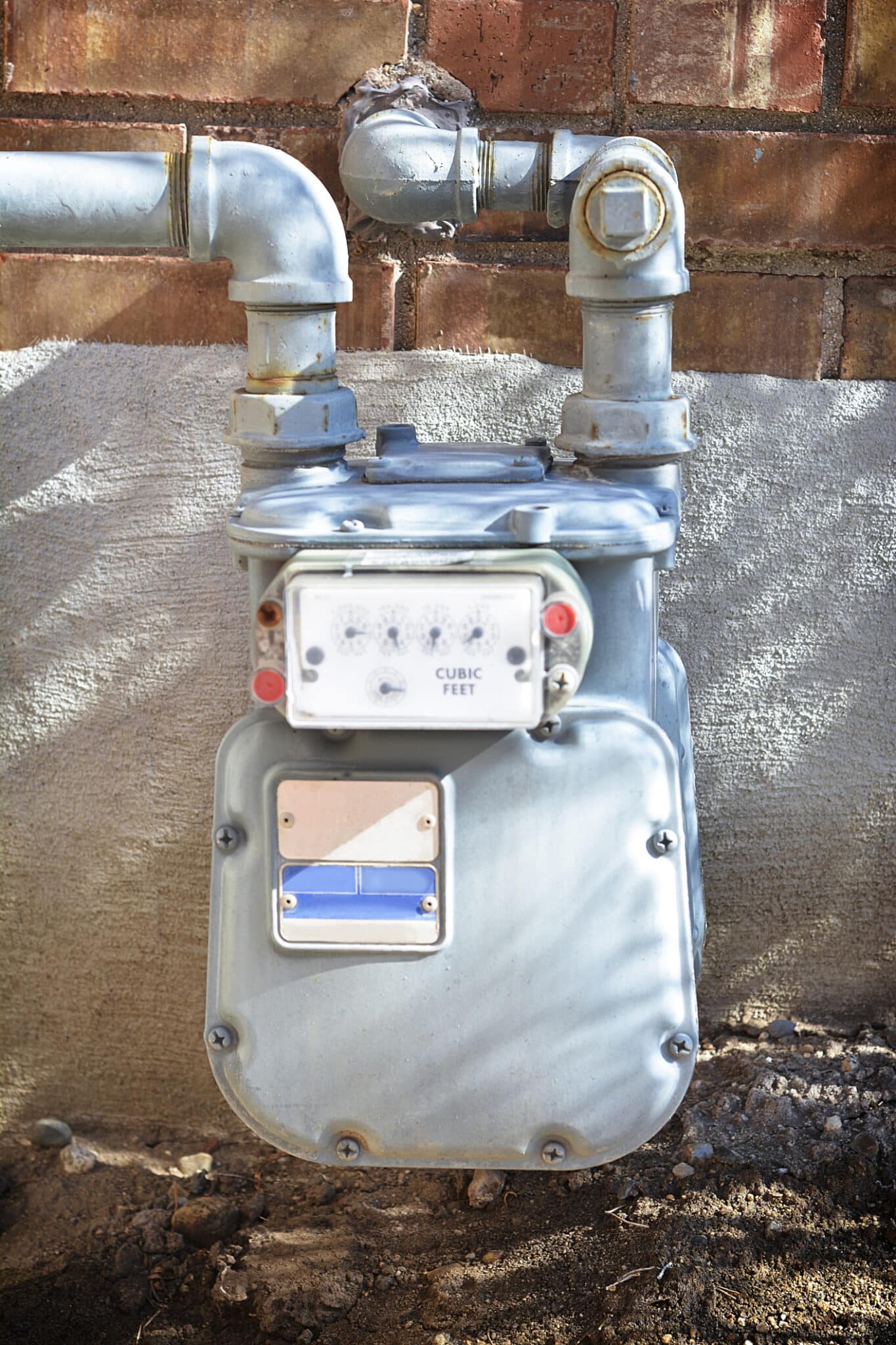
Understanding the Need for Gas Meter Relocation
Understanding the need for gas meter relocation goes beyond mere aesthetics or home improvement desires. In many cases, it’s a requirement for ensuring safety and adhering to local building codes. For instance, renovations might necessitate moving the gas meter outside to comply with Montgomery, OH regulations or to facilitate easier access for maintenance and emergency shutoffs. This step is crucial in maintaining a safe living environment and ensuring that your home meets all legal standards.
Another reason for gas meter relocation might stem from the utility company’s infrastructure updates or changes. Sometimes, utility companies in areas like Hyde Park, OH, upgrade their systems or alter the layout of their gas lines, requiring meters to be moved. In these instances, homeowners have to coordinate closely with their utility provider to ensure the relocation aligns with the new system design. This coordination helps prevent any interruption in gas service and ensures the safety of the household.
The process also involves obtaining the necessary permits, a step that underscores the importance of compliance with local regulations. Each municipality has its own set of requirements for gas meter relocation, and Montgomery, OH is no exception. Homeowners must secure these permits before any work begins, ensuring that the relocation project is legally sanctioned and inspected. This legal requirement protects the homeowner and ensures that the work is done according to code.
Lastly, considering the impact on your daily routine is important when planning a gas meter relocation. Even with the best planning, the process can temporarily disrupt your gas service. Homeowners should prepare for this by scheduling the work at a convenient time and making any necessary arrangements for alternative cooking or heating solutions. This foresight can minimize inconvenience and help maintain a semblance of normalcy during the relocation project.
Navigating Code Requirements for Gas Meter Relocation
Navigating the code requirements for gas meter relocation in Montgomery, OH, requires a thorough understanding of local regulations. Each city, including Hyde Park, OH, has specific codes that dictate the proper procedures for relocating gas meters. These codes ensure that the relocation process adheres to safety standards, protecting both the property and its occupants. Homeowners must familiarize themselves with these regulations to ensure a smooth and compliant relocation process.
Before initiating a gas meter relocation, securing the necessary permits is crucial. This step is not just a formality, it’s a safeguard that ensures all work is inspected and meets local codes. In Montgomery, OH, the permit process involves submitting detailed plans for the relocation, which must be approved by local authorities. This ensures that the relocation plan is safe, efficient, and minimizes risks to the property and its residents.
Working closely with a professional contractor who has experience in gas meter relocation can make navigating code requirements much simpler. These experts are well-versed in the specific codes and permits required in Montgomery, OH, and surrounding areas like Hyde Park, OH. They can handle the complex aspects of the process, from obtaining permits to ensuring the relocation meets all safety standards. This professional guidance can alleviate the stress of dealing with technical regulations and inspections.
Finally, understanding the importance of compliance with local codes cannot be overstated. Adhering to these regulations not only ensures safety but also prevents potential legal issues that could arise from non-compliance. Homeowners undertaking gas meter relocation must prioritize meeting these standards to ensure their project proceeds without unnecessary delays or complications. By doing so, they protect their investment and ensure the well-being of their household.
Coordinating with Utility Companies for a Smooth Transition
Coordinating with utility companies is a pivotal step in the gas meter relocation process. Homeowners in Montgomery, OH, need to reach out to their gas provider early on. This communication ensures the utility company can prepare for the relocation, aligning their schedules with yours. It also allows them to provide any specific requirements or restrictions that might affect the project.
Next, sharing your detailed relocation plan with the utility company is essential. This step helps them understand the scope of work and any potential impact on the gas supply. For residents in Hyde Park, OH, it’s a chance to receive feedback on the proposed new location for the gas meter. The utility company can advise if the selected spot meets safety and regulatory standards, preventing any future issues.
Setting a date for the relocation is another critical phase. Once permits are obtained and plans approved, coordinating a suitable time for the work is crucial. This scheduling minimizes the disruption to your gas service, ensuring a smooth transition. It’s a balancing act between the homeowner’s availability, the contractor’s schedule, and the utility company’s capacity to support the relocation.
Finally, maintaining open lines of communication throughout the relocation project is key. Regular updates between the homeowner, contractor, and utility company help manage expectations and address any concerns promptly. This collaborative approach ensures that the gas meter relocation in Montgomery, OH, and surrounding areas like Hyde Park, OH, proceeds smoothly, adhering to all safety and regulatory requirements.
Obtaining the Necessary Permits for Gas Meter Relocation
Obtaining the necessary permits is a crucial step in the gas meter relocation process, especially for residents in Montgomery, OH. This step ensures that your project complies with local regulations and safety standards. You’ll need to submit detailed plans of your proposed relocation to the local authorities for approval. This process helps prevent any legal or safety issues that could arise during or after the relocation.
In Hyde Park, OH, the permit application process might differ slightly, highlighting the importance of understanding your area’s specific requirements. Homeowners should contact their local building department or utility company for guidance on which permits are required. This proactive approach can significantly streamline the process, ensuring that all paperwork is correctly filed and approved before any work begins.
Once you have submitted your permit application, patience is key as review times can vary. During this waiting period, maintaining open communication with the authorities can provide updates on your application status. If additional information or corrections to your plans are needed, responding promptly will help keep your project on track.
Finally, receiving approval for your gas meter relocation permits marks a significant milestone in your project. With the necessary permits in hand, homeowners can confidently proceed to the next steps, knowing their project aligns with local codes and regulations. This not only ensures the safety and legality of the relocation but also helps avoid potential fines or delays.
Preparing Your Property for Gas Meter Relocation
Preparing your property for gas meter relocation begins with a thorough inspection of the proposed new location. This step ensures that the area complies with Montgomery, OH, regulations and is safe for installation. It’s crucial to check for any obstructions or potential hazards that could interfere with the relocation process. Clearing the area not only facilitates a smoother operation but also speeds up the work.
Next, homeowners should communicate with their contractor to establish a clear plan of action. This plan should detail the steps required to prepare the site, including any minor construction or adjustments needed. In Hyde Park, OH, for instance, specific guidelines may dictate how close the gas meter can be to windows or ventilation systems. Adhering to these guidelines ensures the relocation process is both efficient and compliant with local codes.
Additionally, it’s important to consider the impact of weather conditions on the relocation timeline. Scheduling the work during a period of mild weather can prevent delays and complications. Homeowners should consult with their contractor to choose the best time for the relocation, keeping in mind the typical climate patterns in their area. This foresight can significantly reduce the risk of weather-related setbacks.
Finally, ensuring easy access to the relocation site for utility workers and contractors is essential. This might involve temporarily removing fences or other barriers that could hinder access. Providing clear and unobstructed access not only respects the workers’ time but also contributes to the overall safety and efficiency of the gas meter relocation project. By taking these preparatory steps seriously, homeowners can facilitate a smooth and successful relocation process.
Timeline Expectations and Managing Delays
Understanding the timeline for gas meter relocation is vital for homeowners in Montgomery, OH. Typically, the process can take several weeks from planning to completion. This timeframe includes obtaining permits, coordinating with utility companies, and the actual relocation work. Being aware of this helps set realistic expectations for how long the project will take.
Delays can happen for various reasons, such as weather conditions or unexpected issues during the relocation. For instance, in Hyde Park, OH, severe weather might postpone the work, or additional adjustments may be needed to meet local codes. Homeowners should plan for these potential delays by incorporating extra time into their project timeline. This foresight ensures minimal disruption to their daily routines.
Effective communication with your contractor and utility company can mitigate many common delays. Keeping all parties informed of any changes or updates can help address issues quickly. This collaboration is key to keeping the gas meter relocation project on track. It also allows for quicker resolution of any problems that might arise during the process.
Lastly, homeowners should remain flexible and patient throughout the gas meter relocation. Understanding that delays are sometimes unavoidable can reduce stress and improve the experience. By staying informed and working closely with professionals, residents can navigate the complexities of gas meter relocation smoothly and efficiently. This approach ensures a successful project completion, even in the face of unexpected challenges.

Safety Measures and Compliance During Relocation
Ensuring safety during gas meter relocation is paramount for homeowners in Montgomery, OH. It starts with hiring a certified contractor experienced in handling such projects. These professionals know how to navigate the complexities of the relocation process while adhering to strict safety protocols. Their expertise minimizes the risk of accidents, ensuring a safe transition to the new location.
Compliance with local codes and regulations is another critical aspect of gas meter relocation. In Hyde Park, OH, for instance, specific guidelines dictate the proper installation and positioning of gas meters. Adhering to these rules is not just about following the law, it’s about ensuring the safety and efficiency of your gas supply. Homeowners must work closely with their contractor to ensure every aspect of the relocation meets these standards.
Throughout the relocation process, regular inspections play a crucial role in maintaining safety. Inspectors verify that the installation complies with all local codes and safety standards. These checks provide peace of mind, confirming that the gas meter’s new location poses no danger to the property or its occupants. It’s a vital step that cannot be overlooked or rushed.
Finally, educating yourself and your family on gas safety and emergency procedures is essential. Knowing what to do in case of a gas leak or other emergency can prevent accidents and save lives. It’s part of responsible homeownership, especially when undergoing significant projects like gas meter relocation. By staying informed and prepared, you ensure the well-being of everyone involved.
Frequently Asked Questions
What is Gas Meter Relocation?
Gas meter relocation involves moving your gas meter to a new spot. This process is often needed for home renovations or to meet safety codes. It requires coordinating with your utility company and securing the right permits. Planning ahead is key, as the timeline can vary based on several factors.
How long does the process take?
The duration of gas meter relocation varies, typically ranging from a few weeks to a couple of months. It starts with obtaining necessary permits and coordinating with your utility provider. Delays can occur due to weather, permit approval times, or scheduling conflicts. Planning ahead and staying in communication with all parties involved helps streamline the process.
What permits are needed for relocation?
For gas meter relocation, you’ll need specific permits from your local government. These permits ensure the move meets safety and building codes. Your utility company might also require approval. It’s best to check with both to avoid any delays.
Can I relocate my gas meter myself?
Relocating a gas meter is not a DIY project. It requires the expertise of professionals due to safety and code regulations. You’ll need to work with a licensed contractor and your utility provider for a smooth process. Always prioritize safety and compliance when considering gas meter relocation.
Why might I need Gas Meter Relocation?
There are several reasons you might need gas meter relocation. Often, it’s due to home renovations that require a new layout. Safety concerns or updated code regulations can also prompt a move. Working with professionals ensures the process meets all requirements efficiently.