






Drain line mapping is a crucial service that homeowners in Montgomery, OH, often overlook until they face a plumbing emergency. This innovative process allows professionals to quickly identify the layout and potential issues within a property’s drainage system. By employing advanced technology, experts can save homeowners time and money, ensuring repairs are targeted and efficient. It’s a game-changer in the plumbing industry, simplifying diagnostics like never before.
For residents in Oakley, OH, experiencing slow drains or recurring blockages, drain line mapping offers a proactive solution. Instead of guessing where the problem lies, plumbers can use this method to pinpoint the exact location of a blockage or damage. This precision not only speeds up the repair process but also minimizes the disruption to your property. It’s an approach that combines technology with expertise to deliver fast results.
Understanding the benefits of drain line mapping is essential for any homeowner. It’s more than just a technical service; it’s a preventive measure that can save you from future headaches. Whether it’s identifying aged pipes that need replacement or locating a hidden leak, this service provides invaluable insights into your home’s plumbing health. By mapping your drain lines, professionals can give you a clear picture of what’s happening beneath your feet.
In the hands of skilled technicians, drain line mapping becomes an indispensable tool for maintaining a healthy plumbing system. Residents of Montgomery and Oakley, OH, can rely on this service to avoid unnecessary excavations and guesswork. With the right team, identifying and addressing plumbing issues becomes a streamlined process, offering peace of mind and protecting your home from potential damage. It’s a smart investment in your property’s long-term well-being.
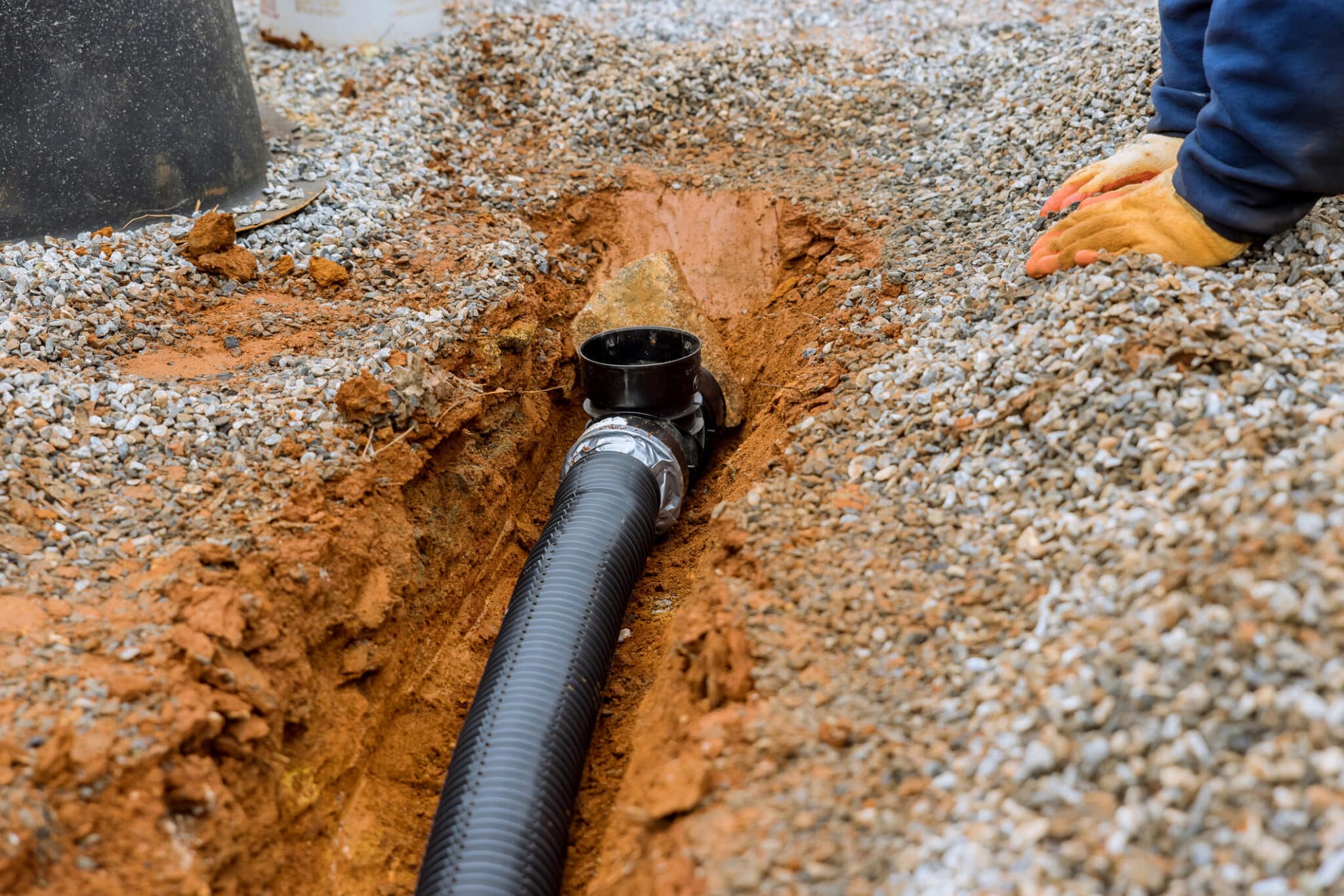
The Importance of Drain Line Mapping in Plumbing
Drain line mapping stands as a vital step in diagnosing and fixing plumbing issues efficiently. This method allows plumbers to create a detailed layout of a home’s drainage system. With this blueprint, identifying and resolving problems becomes much quicker. It eliminates the need for extensive guesswork, making the repair process smoother and less invasive.
In Montgomery, OH, where homes range from historic to modern, the complexity of plumbing systems varies greatly. Drain line mapping provides a clear advantage in such diverse settings. By understanding the specific layout of pipes, professionals can tailor their approach to each property. This customization ensures that repairs are not only faster but also more accurate, preventing future complications.
For homeowners in Oakley, OH, adopting drain line mapping can be a game-changer. It’s not just about fixing current issues; it’s about preventing future ones. This proactive measure can reveal potential problems before they escalate, saving time, money, and stress. It’s an approach that prioritizes the longevity and health of your plumbing system.
Ultimately, drain line mapping is more than a technical service; it’s a smart strategy for any homeowner. It empowers plumbers with the knowledge to tackle repairs with confidence and precision. For residents of Montgomery and Oakley, OH, it means fewer disruptions and more peace of mind. Embracing this technology can significantly enhance the maintenance and efficiency of your home’s plumbing system.
Tools Used by Professionals for Mapping Drain Lines
Professionals in the plumbing field use a variety of advanced tools for drain line mapping, ensuring accuracy and efficiency in their work. Ground-penetrating radar (GPR) is one such tool, offering the ability to see through soil and concrete to map out drainage systems without digging. This non-invasive technique saves homeowners in Montgomery, OH, from the mess and disruption of traditional methods. It’s a prime example of how technology aids in precise diagnostics, streamlining the repair process.
Another essential tool in the arsenal of plumbers is the video inspection camera. This device is inserted into drain lines, providing real-time visuals of the pipes’ interior. It allows for immediate identification of blockages, cracks, or other issues within the drainage system. For residents in Oakley, OH, this means problems can be pinpointed and resolved more quickly, reducing the time and cost involved in plumbing repairs.
Acoustic locators also play a crucial role in drain line mapping by detecting sound waves from pipes. These devices help professionals locate buried pipes that are not easily accessible or visible. By listening for changes in sound frequency, plumbers can identify the location and depth of pipes, further enhancing the accuracy of the mapping process. This technology ensures that even the most hidden parts of a system are accounted for, making diagnostics more comprehensive.
Lastly, professionals often use dye testing as a simple yet effective method to trace the flow of water through a drainage system. By introducing non-toxic dye into the system and observing where it emerges, plumbers can confirm the layout and integrity of drain lines. This method is particularly useful for detecting leaks or connections that might not be visible on camera or radar. Together, these tools empower professionals to conduct thorough and precise drain line mapping, offering homeowners peace of mind and safeguarding their property against future plumbing issues.
Step-by-Step Process of Drain Line Mapping
Drain line mapping starts with a thorough consultation to understand the homeowner’s concerns and the history of the property’s plumbing issues. Professionals in Montgomery, OH, gather this initial information to tailor the mapping process to each home’s unique needs. This step ensures that the subsequent work is focused and effective, addressing specific concerns directly. It’s a personalized approach that sets the stage for precise diagnostics.
Next, the team deploys ground-penetrating radar and video inspection cameras to get a detailed view of the underground pipes. This combination of tools allows for a comprehensive examination without disturbing the property. In Oakley, OH, where yard aesthetics are valued, this non-invasive technique is particularly appreciated by homeowners. It marks a significant phase in the mapping process, revealing the hidden layout of drain lines.
After collecting visual and radar data, professionals analyze the findings to create an accurate map of the drainage system. This map highlights not only the pipes’ locations but also any issues like blockages or damages. It’s a critical step that transforms raw data into actionable insights, guiding the repair strategy. This clarity ensures that any interventions are precisely targeted, avoiding unnecessary work.
Finally, the mapped information is shared with the homeowner, providing a clear understanding of their plumbing system’s state. This transparency helps in making informed decisions about any needed repairs or maintenance. It also lays the groundwork for quicker, more efficient future diagnostics and interventions. By completing this process, professionals offer peace of mind and a proactive path to maintaining a healthy plumbing system.
How Drain Line Mapping Saves Time and Money
Drain line mapping significantly reduces the time and expense involved in diagnosing and fixing plumbing issues. By offering a precise understanding of a drainage system’s layout, professionals can directly target the problem area without unnecessary digging or guesswork. This accuracy not only speeds up the repair process but also cuts down on labor and materials needed, saving homeowners in Montgomery, OH, considerable amounts of money. It’s a method that combines efficiency with economy, making it a valuable choice for property maintenance.
For residents in Oakley, OH, adopting drain line mapping means investing in a solution that prevents minor issues from becoming major expenses. Early detection of potential problems such as leaks or blockages allows for timely interventions, often at a lower cost than emergency repairs. This preemptive approach not only saves money in the short term but also helps in maintaining the overall health of the plumbing system, avoiding costly overhauls. It’s a strategy that prioritizes the longevity and efficiency of your home’s infrastructure.
Moreover, drain line mapping minimizes the disruption to daily life, a benefit that cannot be understated. Traditional methods of locating plumbing issues often involve extensive excavation, which can disturb your yard and take days or weeks to complete. With drain line mapping, the work is done quickly and with minimal disturbance, allowing homeowners to return to their routine without the hassle of long-term construction. This convenience adds value beyond the immediate financial savings, enhancing the appeal of this modern technique.
In conclusion, drain line mapping is a smart investment for homeowners looking to maintain their plumbing systems efficiently and affordably. It offers a proactive approach to plumbing maintenance, identifying problems before they escalate into expensive repairs. For those in Montgomery and Oakley, OH, embracing this technology means enjoying a healthier plumbing system, reduced repair costs, and less disruption to their lives. It’s a forward-thinking solution that pays off in both time and money saved, making it an essential service for modern home care.
Case Studies: Successful Drain Line Mapping Examples
In Montgomery, OH, a homeowner experienced frequent backups in their century-old home, puzzled by the recurring issue despite multiple repairs. The plumbing team employed drain line mapping, revealing a previously undetected, collapsed section of the old clay pipe. This precise identification allowed for targeted repairs, restoring the system’s functionality without unnecessary excavation. The homeowner appreciated the efficient resolution and minimal disruption to their daily life.
Another case in Oakley, OH, involved a new homeowner unaware of their property’s complex drainage system, leading to repeated landscaping damage. Through drain line mapping, professionals discovered an incorrect connection that routed water towards the foundation. Correcting this flaw not only solved the drainage issue but also protected the home’s structure from potential water damage. The homeowner was relieved to have a lasting solution rather than a temporary fix.
A commercial property in Montgomery faced persistent flooding in its parking lot, baffling the maintenance team. Drain line mapping pinpointed a hidden blockage in a critical stormwater drain, a problem invisible to conventional inspection methods. The blockage was removed, and the flooding ceased, demonstrating the mapping’s value in managing large-scale plumbing systems efficiently. This success story highlighted the method’s applicability beyond residential settings, offering commercial properties a means to safeguard against water-related disruptions.
Lastly, a community garden in Oakley sought to improve its irrigation system without damaging existing underground utilities. Drain line mapping provided a detailed blueprint of the area, ensuring the new lines were installed without interfering with the existing infrastructure. This proactive approach prevented potential damage and ensured the garden’s sustainable growth. The project showcased how drain line mapping facilitates not just repairs but also thoughtful upgrades and installations.
Common Challenges in Drain Line Mapping
Despite its numerous benefits, drain line mapping can encounter challenges, particularly in areas with dense urban development or older neighborhoods in Montgomery, OH. These environments may have complex underground infrastructures, making it difficult to distinguish between various types of pipes. This complexity requires plumbers to be highly skilled in interpreting data from the mapping tools, ensuring accuracy in the diagnostics process. Overcoming this hurdle is crucial for delivering precise solutions to homeowners and commercial properties alike.
In Oakley, OH, natural elements such as tree roots and soil composition present another set of challenges for drain line mapping. Tree roots can invade and damage pipes, complicating the mapping process by obscuring the true path of the drainage system. Additionally, certain soil types can interfere with the effectiveness of ground-penetrating radar, demanding alternative strategies for accurate mapping. Professionals must adapt their techniques to account for these variables, ensuring comprehensive diagnostics under varied conditions.
Access to the latest technology also plays a significant role in the effectiveness of drain line mapping. While the tools available are advanced, they are also evolving rapidly, requiring constant updates and training. Staying ahead of technological advancements allows plumbing professionals to tackle the challenges of drain line mapping with greater efficiency. This commitment to keeping up with the latest methods ensures that homeowners receive the most accurate and helpful information about their plumbing systems.
Finally, educating homeowners about the value of drain line mapping remains a challenge. Many people are unaware of its benefits until they face a significant plumbing issue. Raising awareness about how this service can prevent future problems and save money in the long run is essential. By addressing these common challenges, professionals can enhance the effectiveness of drain line mapping, making it an indispensable part of maintaining healthy plumbing systems in homes and commercial properties.
Preparing Your Home for a Drain Line Mapping Service
Preparing your home for a drain line mapping service is a straightforward process that ensures the procedure runs smoothly. First, clear any visible access points to your drainage system, such as removing items around basement floor drains in Montgomery, OH. This simple step allows professionals to easily reach and assess your system without delays. Keeping these areas unobstructed maximizes the efficiency of the mapping process.
Next, it’s helpful to provide any available documents or records of your home’s plumbing system to the technicians. These could include previous repair records or a blueprint of your home’s drainage layout. Such information can give valuable insights into your system, aiding the professionals in Oakley, OH, in their mapping efforts. With this background knowledge, they can better navigate and understand the intricacies of your home’s plumbing.
Additionally, discussing any specific concerns or issues you’ve noticed with your plumbing can guide the mapping process. Share details about recurring blockages or areas where water seems to pool. This direct communication ensures the team focuses on potential problem areas, enhancing the diagnostic accuracy of the drain line mapping service. It’s a proactive way to address issues that might not be immediately visible but could impact the overall health of your plumbing system.
Finally, ensure pets and children are kept away from the work area during the appointment. This safety measure prevents distractions and allows the professionals to conduct their work efficiently. By following these simple steps, homeowners in both Montgomery and Oakley, OH, can prepare their property for a successful drain line mapping service. This preparation not only facilitates a smoother process but also contributes to the long-term maintenance of your home’s plumbing infrastructure.
Tips for Maintaining Your Drain Lines Post-Mapping
After your home in Montgomery, OH, has undergone drain line mapping, maintaining the health of your drain lines is crucial for ensuring the longevity of your plumbing system. Regularly flushing your drains with hot water can prevent the buildup of debris and grease, which are common culprits of blockages. This simple habit, done weekly, can keep water flowing smoothly and reduce the risk of clogs forming in your pipes.
In Oakley, OH, homeowners should consider using natural drain cleaners as a preventive measure. Baking soda and vinegar, for example, are effective in maintaining clean lines without the harsh chemicals found in commercial cleaners. These natural solutions can break down potential blockages and are safe for regular use, helping to preserve the integrity of your pipes following drain line mapping.
Scheduling annual inspections with a professional plumber can also play a pivotal role in maintaining your drainage system. These inspections can catch minor issues before they escalate into major problems, ensuring that your system remains in top condition. It’s an opportunity for professionals to assess the effectiveness of previous repairs and to ensure that no new issues have arisen.
Lastly, being mindful of what goes down your drains is essential. Avoid flushing items that can cause blockages, such as wipes, cooking grease, and large food particles. Educating all household members about the importance of this can prevent unnecessary strain on your plumbing system. By following these tips, homeowners in Montgomery and Oakley, OH, can enjoy the benefits of their drain line mapping service for years to come.

Frequently Asked Questions
What is drain line mapping?
Drain line mapping is a technique used by professionals to identify the layout of a building’s plumbing system. This method helps experts pinpoint the exact location of pipes and any issues within them. By using specialized equipment, technicians can quickly diagnose and address problems. It’s an efficient way to ensure repairs are done right the first time.
How does mapping speed up diagnostics?
Drain line mapping allows technicians to quickly locate problems without unnecessary digging or guessing. This method speeds up the diagnostic process by providing a clear picture of the plumbing layout. As a result, professionals can target the exact spot needing repair. This efficiency saves time and reduces the cost of labor for homeowners.
What tools are used in drain line mapping?
Professionals use several tools for drain line mapping, including video cameras and locating devices. These cameras travel inside pipes, giving a clear view of any issues. Locating devices then pinpoint the exact position and depth of the pipes underground. Together, these tools make it easier for experts to understand and fix plumbing systems efficiently.
Can drain line mapping find all blockages?
Drain line mapping is highly effective at locating most blockages within a plumbing system. This method uses advanced technology to identify where clogs are, making repairs quicker. While it uncovers many issues, extremely small or non-invasive blockages might occasionally be missed. Overall, it significantly enhances the accuracy of diagnosing plumbing problems.
Is drain line mapping cost-effective?
Drain line mapping is a cost-effective solution for identifying plumbing issues. By pinpointing problems accurately, it reduces the time and labor involved in repairs. Homeowners save money because it avoids unnecessary excavation and guesswork. Overall, this method ensures efficient and precise diagnostics, making it a smart investment for quick and effective plumbing solutions.