






Embarking on a basement bathroom rough-in project in Montgomery, OH, is an exciting venture for homeowners. This initial phase lays the groundwork for your future bathroom, focusing on the essential plumbing and framing before the final finishes. It’s a complex task, involving careful planning around layout, venting, and drain slope, not to mention navigating local permits. Understanding these elements ensures a smooth process and helps avoid costly mistakes down the line.
When considering a basement bathroom rough-in, the location plays a crucial role. Residents of Montgomery and nearby Hyde Park, OH, must adhere to specific regulations and codes. These guidelines ensure that your new addition is safe, functional, and up to standard. It’s also an opportunity to enhance your home’s value and comfort, making it a worthwhile investment.
Budgeting for your basement bathroom rough-in is another critical step. It’s not just about the costs of materials and labor, factor in the expenses for permits and professional inspections. By setting a realistic budget from the start, you can manage your expectations and avoid any unwelcome surprises. Plus, it allows you to make informed decisions on where to splurge and where to save.
Lastly, the success of your basement bathroom rough-in hinges on meticulous planning and execution. Whether you’re in Montgomery or Hyde Park, OH, aligning with experienced professionals who understand local requirements can make all the difference. They can guide you through the process, from the initial layout to ensuring proper venting and drain slope, culminating in a space that meets your needs and complies with all regulations.

Understanding Basement Bathroom Rough In Basics
Understanding the basics of a basement bathroom rough-in is crucial for homeowners in Montgomery, OH. This process involves installing the necessary plumbing connections before the bathroom’s final design is complete. It’s the foundation upon which your bathroom will be built, ensuring that water supply, drainage, and venting systems are correctly in place. Getting this right means your basement bathroom will be both functional and compliant with local codes.
Planning the layout is the first step in a successful basement bathroom rough-in. You need to decide where the bathroom will be situated in your basement, considering how it will connect to existing plumbing. This decision greatly impacts the complexity and cost of the project. Residents of Hyde Park, OH, for instance, must also consider how their plans align with local building codes and regulations.
Venting is another critical aspect that cannot be overlooked. Proper venting prevents sewer gases from entering your home and ensures that waste water drains correctly. It requires strategic planning, as vent pipes must maintain a specific slope and be routed to the outside. This aspect of your basement bathroom rough-in demands careful attention to detail and adherence to local building standards.
Finally, the drain slope is essential for the wastewater to flow correctly. A slope that’s too steep can cause clogs, while one that’s too gentle may lead to standing water in the pipes. Professionals use a standard slope of 1/4 inch per foot for most bathroom drains, ensuring efficient and trouble-free wastewater removal. By understanding these basics, homeowners in Montgomery and Hyde Park, OH, can confidently plan their basement bathroom rough-ins, setting the stage for a successful project.
Planning Your Basement Bathroom Layout
After understanding the basics, planning your basement bathroom layout becomes the next crucial step. In Montgomery, OH, homeowners should consider the proximity of the new bathroom to the main waste lines to minimize costs and complexity. This strategic placement not only simplifies the connection to existing plumbing but also reduces the need for extensive pipe work. Additionally, it’s wise to think about the future functionality of the space, ensuring that the layout meets both current and potential needs.
Incorporating the basement bathroom rough-in into your home’s existing structure requires thoughtful consideration of space. For example, positioning the bathroom near or against exterior walls should be avoided in colder climates like Hyde Park, OH, to prevent freezing pipes. Instead, locating your bathroom centrally can leverage the natural warmth of your home, promoting energy efficiency. This approach also allows for more flexible design options, accommodating features like showers or bathtubs more easily.
Venting and drain slope considerations are integral to your basement bathroom rough-in plan. Proper venting ensures that sewer gases are safely expelled from your home, while the correct drain slope facilitates efficient wastewater removal. These technical requirements are not just about compliance with local codes, they’re about ensuring long-term functionality and comfort. Engaging with professionals who are well-versed in these aspects can help you navigate these complexities smoothly.
Finally, securing the necessary permits is a step that cannot be overlooked in the planning process. Both Montgomery and Hyde Park, OH, have specific regulations that must be followed to ensure your project is legally compliant. Obtaining these permits might seem like a hurdle, but it’s an essential part of ensuring your basement bathroom is safe and up to code. With careful planning and attention to detail, your basement bathroom rough-in will lay a solid foundation for a successful addition to your home.
Venting Requirements for a Basement Bathroom
When planning a basement bathroom rough-in in Montgomery, OH, venting requirements must be a top priority. Proper venting is crucial to prevent sewer gases from entering your home. It also plays a significant role in maintaining the efficiency of wastewater removal. By understanding these requirements, homeowners can ensure their project aligns with local health and safety standards.
In Hyde Park, OH, the venting process for a basement bathroom involves connecting to existing vent pipes or installing new ones. This ensures that air can flow freely, aiding in the proper function of your plumbing system. Professionals often recommend installing a vent pipe within a few feet of each fixture to optimize performance. This strategic placement helps in maintaining the necessary air pressure within the pipes.
Another critical aspect is ensuring the vent pipes have the correct slope. This prevents water from collecting in the vent pipes, which could lead to blockages. A slight incline towards the main vent stack allows for condensation to drain away efficiently. Homeowners should work closely with plumbing professionals to ensure their basement bathroom rough-in meets these technical specifications.
Lastly, adhering to local building codes is essential for the success of your basement bathroom rough-in. Montgomery and Hyde Park, OH, have specific regulations governing venting requirements. These codes are designed to protect homeowners and ensure that plumbing systems are safe and effective. By following these guidelines, you can avoid potential issues and ensure your basement bathroom is both functional and compliant.
Calculating the Correct Drain Slope
Calculating the correct drain slope is a vital part of any basement bathroom rough-in, especially in areas like Montgomery, OH. A well-planned slope ensures that wastewater flows efficiently towards the main sewer line, preventing any backflow issues. Professionals typically recommend a slope of 1/4 inch per foot for most bathroom drains. This precise gradient facilitates the smooth movement of water, keeping your plumbing system functioning optimally.
In Hyde Park, OH, homeowners must also consider the impact of their basement’s layout on the drain slope. The further the distance from the main sewer line, the more critical the slope’s accuracy becomes. It’s essential to work with a skilled plumber who can accurately measure and install the piping. Their expertise ensures that the slope meets both local building codes and the practical needs of your basement bathroom.
Another aspect to consider is the material of the pipes used in your basement bathroom rough-in. Different materials can affect the flow rate of wastewater. For instance, PVC pipes are commonly used because they offer a smooth interior surface that aids in the efficient movement of water. Choosing the right materials, in consultation with a plumbing professional, can significantly enhance the effectiveness of your bathroom’s drainage system.
Finally, ensuring that your basement bathroom rough-in complies with Montgomery and Hyde Park, OH, regulations is crucial. Local codes may dictate specific requirements for drain slope and materials. By adhering to these standards, you not only ensure the longevity and functionality of your bathroom but also avoid potential legal and financial complications. Engaging with a knowledgeable plumber who is familiar with these regulations can make this process seamless and stress-free.
Navigating Permits for Your Basement Bathroom Rough In
Navigating permits for your basement bathroom rough-in in Montgomery, OH, is a crucial step that should not be underestimated. This process ensures that your project complies with local building codes and regulations, safeguarding your home’s safety and value. By obtaining the necessary permits, homeowners demonstrate their commitment to legality and quality. Engaging in this step early on can prevent delays and ensure that the project progresses smoothly.
In Hyde Park, OH, the permit process involves submitting detailed plans of your basement bathroom rough-in to local authorities for approval. These plans must accurately depict the layout, plumbing, venting, and drain slope, highlighting how the project meets specific code requirements. Working with professionals who are familiar with these requirements can streamline the submission and approval process. Their expertise ensures that your plans are in complete alignment with local standards, minimizing the risk of rejections or costly revisions.
Once the permits are secured, homeowners can proceed with confidence, knowing that their basement bathroom rough-in adheres to the highest safety and quality standards. This not only protects the homeowners but also ensures the well-being of future occupants. Moreover, having the permits in place facilitates smoother inspections, as officials can easily verify compliance with approved plans. It’s a proactive step that significantly contributes to the project’s overall success.
Finally, understanding the permit process in Montgomery and Hyde Park, OH, empowers homeowners to better plan their basement bathroom rough-in projects. It provides a clear roadmap of what is required, helping to budget for both time and expenses more accurately. This knowledge allows homeowners to navigate the permit process efficiently, making informed decisions that keep the project on track and within legal bounds. With the right preparation and support, securing permits becomes a manageable part of realizing your basement bathroom vision.
Budgeting for Your Basement Bathroom Project
Budgeting for your basement bathroom rough-in in Montgomery, OH, requires a comprehensive approach to ensure all aspects of the project are covered. Start by estimating the costs for materials and labor, which will form the bulk of your expenses. Don’t forget to include the price of permits and inspections in your budget, as these are essential for legal compliance. By doing so, you can avoid unexpected costs that might arise during the project, ensuring a smoother execution.
In Hyde Park, OH, homeowners should also consider the potential need for specialized services, such as waterproofing or electrical work, which can impact the overall budget. Consulting with professionals can provide a clearer picture of these additional costs. This step allows for a more accurate budget that accounts for every detail of the basement bathroom rough-in. Planning for these expenses upfront can save you from financial strain later on.
Another important aspect of budgeting is setting aside a contingency fund, usually around 10% to 20% of the total project cost. This fund acts as a safety net for any unforeseen issues or changes that may occur during the construction phase. Having this buffer ensures that your project won’t come to a halt due to lack of funds, keeping the work on track towards completion.
Lastly, comparing quotes from different contractors can lead to significant savings on your basement bathroom rough-in project. It’s crucial to ensure that the quotes include the same scope of work for a fair comparison. By carefully selecting your contractor, not only based on price but also on their experience and reputation, you can achieve the best value for your investment. This approach helps in completing your project within budget while meeting all your requirements.
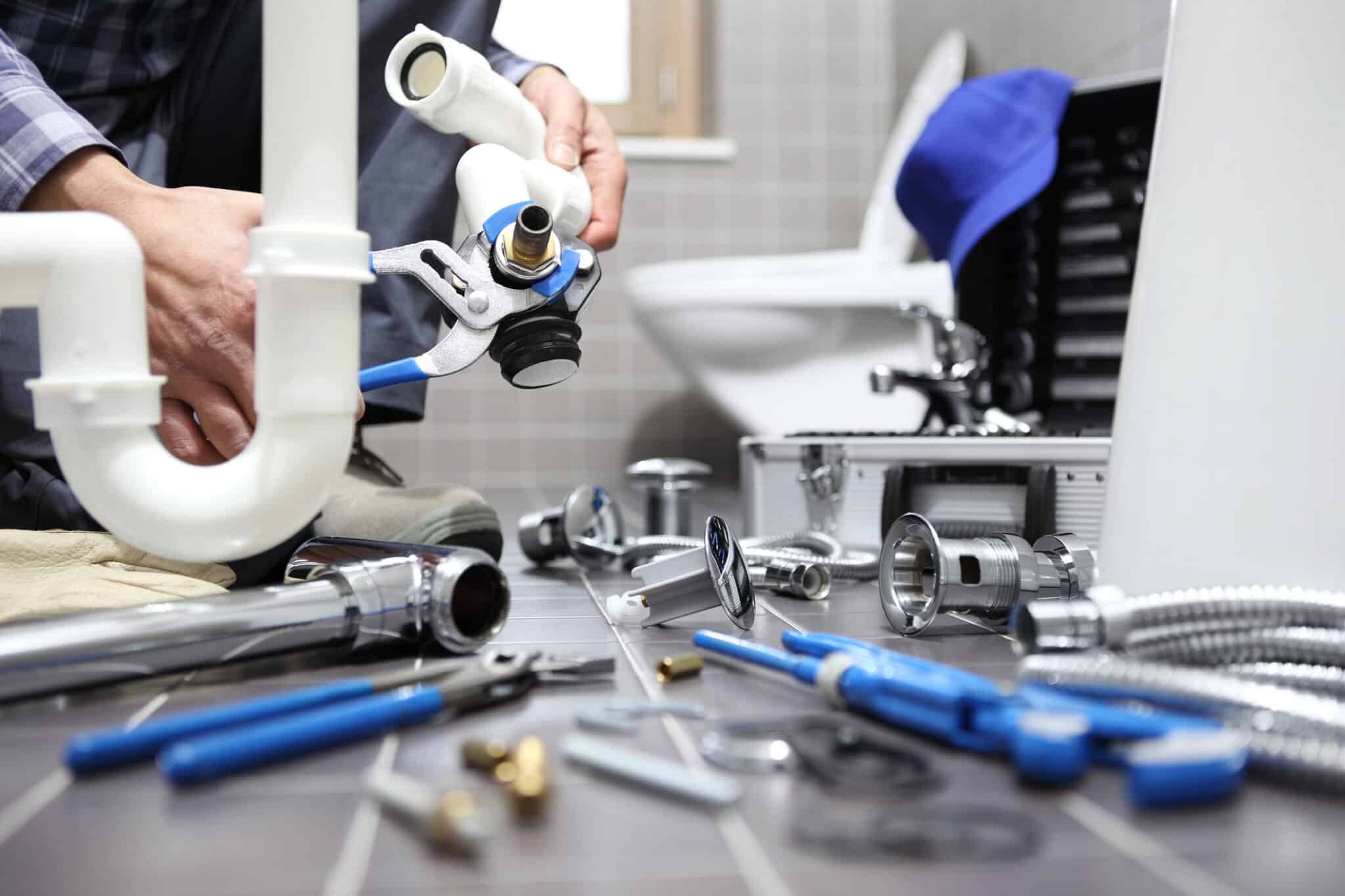
Choosing the Right Plumbing Fixtures
After laying the groundwork with your basement bathroom rough-in in Montgomery, OH, selecting the right plumbing fixtures becomes the next crucial step. This choice significantly influences both the functionality and aesthetics of your new bathroom. Opting for fixtures that complement the overall design while meeting your practical needs ensures a harmonious space. Moreover, high-quality fixtures can enhance the durability and efficiency of your bathroom, offering long-term benefits.
In Hyde Park, OH, homeowners should consider water efficiency when choosing their fixtures. Faucets, toilets, and showerheads that conserve water can lead to substantial savings on utility bills. These eco-friendly options not only align with environmental responsibilities but also comply with many local regulations. By prioritizing water efficiency, you contribute to a sustainable future while optimizing your home’s functionality.
The style and finish of your fixtures play a significant role in defining the bathroom’s ambiance. Whether you prefer a modern, sleek look or a more traditional aesthetic, there’s a wide range of options available to match your vision. It’s important to ensure that these elements coordinate well with the rest of your bathroom’s design. This cohesion creates a visually appealing space that enhances the overall comfort and value of your home.
Finally, working with experienced professionals can make the selection process smoother. They can provide valuable insights into the best fixtures for your basement bathroom rough-in, considering both style and functionality. Their expertise ensures that you make informed decisions, avoiding common pitfalls. With their guidance, your basement bathroom in Montgomery or Hyde Park, OH, will not only meet your current needs but also adapt to future changes, making it a versatile addition to your home.
Tips for Hiring a Professional Plumber
Hiring a professional plumber for your basement bathroom rough in Montgomery, OH, requires careful consideration to ensure quality work. Start by seeking recommendations from friends or neighbors who have undertaken similar projects. This approach can provide you with trusted contacts who are known for their reliability and expertise. Additionally, it allows you to gather firsthand insights about their experience, helping you make an informed decision.
When evaluating potential plumbers, it’s essential to verify their credentials and experience, especially in projects involving basement bathroom rough ins. Ensure they are licensed and insured, providing protection against possible issues during the project. Experienced professionals in Hyde Park, OH, will be familiar with local building codes and regulations, ensuring your project complies with all requirements. This step not only safeguards your investment but also ensures the longevity and functionality of your new bathroom.
Before making your final choice, request quotes from several plumbers to compare services and prices. However, remember that the cheapest option isn’t always the best. Evaluate the detailed breakdown of costs, understanding what is included in their quote. This comparison will help you identify who offers the best value for your basement bathroom rough in, balancing cost with quality of work.
Finally, establish clear communication with your chosen plumber, discussing all aspects of your basement bathroom rough in project. Set expectations regarding timelines, costs, and any potential disruptions to your daily routine. Clear communication from the start prevents misunderstandings and ensures a smoother process. By following these tips, homeowners in Montgomery and Hyde Park, OH, can confidently hire a professional plumber, ensuring their basement bathroom rough in is executed flawlessly.
Frequently Asked Questions
What factors affect rough in costs?
Several factors influence the cost of a basement bathroom rough in. The layout and size of the bathroom play a significant role, as complex designs require more work. Venting needs and drain slope also impact the price, ensuring proper plumbing function. Lastly, local permits and regulations can affect overall expenses, making it essential to budget carefully.
How to plan a Basement Bathroom Rough In?
Planning a basement bathroom rough in requires careful consideration of several key factors. First, decide on the layout that best fits your space and needs. Next, ensure proper venting and drain slope to maintain plumbing efficiency. Then, check local regulations for any permits needed. Finally, create a detailed budget to manage costs effectively.
What are common mistakes to avoid?
When installing a basement bathroom rough in, a common mistake is not planning the layout carefully. Many forget to ensure proper venting and drain slope, leading to plumbing issues later. Overlooking local permits can also delay your project and increase costs. Finally, underestimating the budget needed for this task can cause financial strain, so it’s crucial to plan accurately.
Can DIY save on Basement Bathroom Rough In costs?
Tackling a basement bathroom rough in as a DIY project can cut down on labor costs. However, it’s crucial to have a solid understanding of plumbing basics. Mistakes can lead to costly repairs down the line. Always weigh the potential savings against the risk of errors before starting.
How long does a rough in take to complete?
The time to complete a basement bathroom rough in varies. Generally, it takes a few days to a week, depending on complexity. Skilled plumbers like those at Halpin Plumbing can work efficiently, ensuring timely progress. Factors such as layout and permit acquisition can also influence the duration.