








To winterize your plumbing, you need to take proactive steps to prevent your pipes from freezing and bursting during cold weather. Key actions include insulating exposed pipes, draining and protecting outdoor faucets, and adjusting your water heater for colder temperatures. It’s essential to regularly check for leaks, cracks, and ensure proper insulation in unheated areas of your home. If you’re unsure or need expert assistance, Halpin Plumbing can help you safeguard your home and avoid costly winter plumbing emergencies. Contact us today!

Are you prepared for the winter chill in Burlington, KY? As temperatures drop, your home’s plumbing becomes vulnerable to freezing, which can lead to costly repairs and water damage.
But don’t worry—there’s a way to protect your pipes and avoid those winter disasters. By taking a few simple steps to winterize your plumbing, you can ensure your home stays warm, safe, and dry all season long. Ready to learn how? Let’s dive into why winterizing your plumbing is essential.
Why Winterizing Your Plumbing Is Essential
The Risks of Not Winterizing
Imagine waking up on a cold morning to find that your pipes have frozen overnight. This is a common issue in cold areas like ours, and it can lead to serious problems.
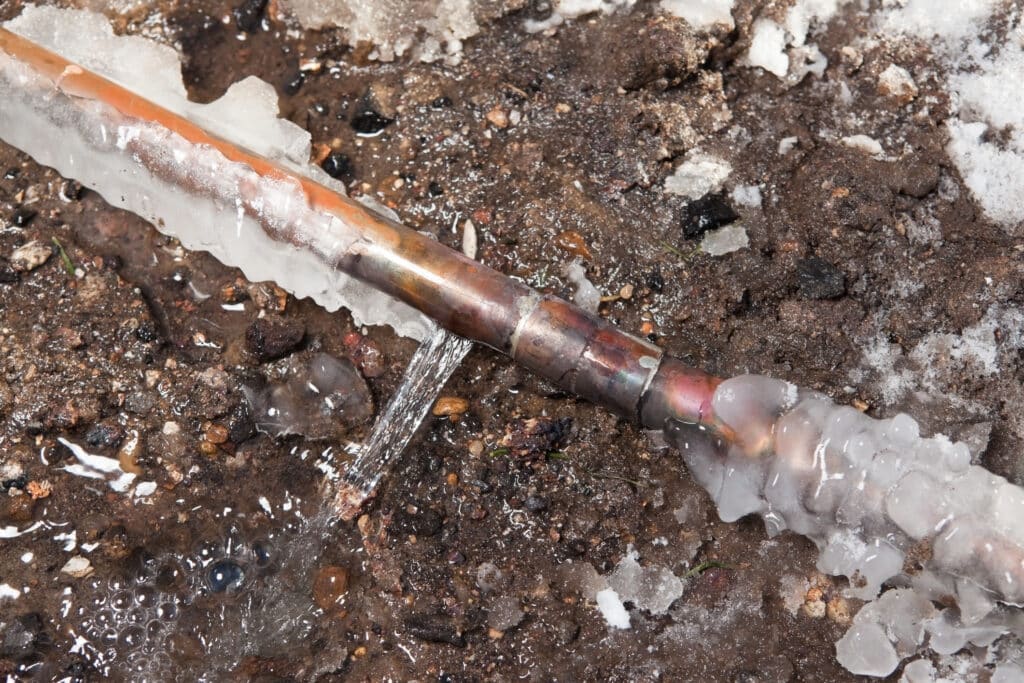
When water freezes inside pipes, it expands, which can cause the pipes to crack or even burst. Not only does this mean no water for your morning coffee, but it also means you’ll be dealing with a huge mess, possible flooding, and expensive repairs.
Frozen pipes can burst and lead to water damage, and in extreme cases, this can even cause structural damage to your home.
Plus, if a pipe bursts when you’re not home, the water damage can become severe, requiring costly repairs that could have been avoided with a bit of prevention.
Benefits of Proper Winterization
On the flip side, taking the time to properly winterize your pipes can save you a lot of headaches. Here are some key benefits:
- Prevents Pipe Bursts: Insulating your pipes and taking other protective measures significantly reduces the risk of them freezing and bursting during cold weather. This is especially important in areas like Burlington, Florence, and Hebron, KY, where temperatures can drop quickly.
- Avoids Costly Repairs: Frozen or burst pipes can lead to extensive water damage, resulting in expensive emergency repairs. Proper winterization helps you avoid these unexpected costs, saving you money in the long run.
- Ensures Smooth Operation: A well-winterized plumbing system is less likely to experience disruptions during the winter months. By keeping your pipes and faucets in good condition, you ensure that your home’s water system continues to operate smoothly and efficiently, even in the coldest weather.
- Reduces Stress: Winter can be stressful enough without the added worry of potential plumbing disasters. By taking steps to protect your pipes now, you can enjoy peace of mind throughout the season, knowing your home is safeguarded against unexpected emergencies.
Winterizing not only helps prevent pipe bursts but also ensures your system runs smoothly throughout the winter, saving you money and stress in the long run.
Inspecting Your Plumbing System Before Winter
Checking for Leaks and Cracks
Start by checking for any leaks or cracks in your plumbing system. Even a tiny leak can become a significant problem when temperatures drop.
Inspect visible pipes under sinks, in basements, and around appliances. If you find any leaks or cracks, it’s best to fix them right away to prevent them from getting worse in the cold.
Examining Pipes in Unheated Areas
Next, take a look at pipes located in unheated areas of your home, such as the garage, attic, or crawl spaces.
These pipes are at the highest risk of freezing because they aren’t exposed to the warmth of your home’s heating system. Ensure these pipes are properly insulated to reduce the risk of freezing.
Assessing Outdoor Faucets and Hoses
Don’t forget to check your outdoor faucets and garden hoses. Disconnect and drain any hoses, and ensure your outdoor faucets are in good condition.
If you don’t take care of these, water left inside can freeze, expand, and potentially cause damage to your plumbing system.
Insulating Pipes to Prevent Freezing
Materials You Can Use for Pipe Insulation
When it comes to insulating your pipes, you have several material options, each offering different levels of protection:
- Foam Pipe Insulation: This is one of the most popular choices due to its ease of installation and effectiveness. Foam insulation comes in pre-slit tubes that easily slide over your pipes, providing a snug fit that helps retain heat and prevent freezing.
- Fiberglass Insulation: Ideal for both heated and unheated areas, fiberglass insulation provides excellent thermal protection. It’s a bit more labor-intensive to install but offers superior insulation, especially in extremely cold conditions.
- Heat Tape: Heat tape is an electrical product that wraps around your pipes, providing a direct source of warmth. It’s particularly useful for pipes in areas prone to severe cold, like basements or crawl spaces. Heat tape must be installed carefully according to the manufacturer’s instructions to ensure safety and effectiveness.
Each of these materials has its advantages, but they all share the same goal—keeping your pipes from freezing and ensuring your home stays safe during the cold winter months.
How to Insulate Pipes in Unheated Spaces
For pipes located in unheated spaces like attics, basements, or crawl spaces, extra care is needed. Start by wrapping the pipes with your chosen insulation material, ensuring there are no gaps or exposed areas.
In some cases, you might need to double up on insulation or combine different materials for extra protection. Remember, the goal is to keep cold air away from the pipes, so make sure everything is snug and secure.
Insulating Outdoor Faucets and Hose Bibs
Outdoor faucets and hose bibs are particularly vulnerable to freezing, so they need special attention. After disconnecting and draining hoses, cover the faucets with insulated faucet covers.
These covers are inexpensive and easy to install, but they can make a big difference in preventing freezing. This simple step can save you from dealing with a burst pipe and the mess it can create.
Draining and Protecting Outdoor Plumbing
How to Properly Drain Outdoor Faucets
To begin, make sure you drain all the water from your outdoor faucets. Start by turning off the water supply to these fixtures from inside your home. Then, open the outdoor faucets and let any remaining water flow out.
Leaving water in these pipes can lead to freezing, which might cause the pipes to burst. Once the water is drained, keep the faucets open throughout the winter to allow any remaining moisture to escape.
Storing Garden Hoses for Winter
After you’ve taken care of the outdoor faucets, don’t forget about your garden hoses. Disconnect all hoses from the faucets, drain any remaining water, and store them in a dry place, such as a garage or shed.
Leaving hoses connected or filled with water can lead to cracks and leaks once the water freezes. Properly storing your hoses during the winter will help extend their life and ensure they’re ready for use in the spring.
Using Faucet Covers for Extra Protection
For added protection, consider using insulated faucet covers. These covers are easy to install and provide an extra layer of defense against freezing temperatures.
Simply place the cover over the faucet and secure it in place. This small investment can prevent costly damage and give you peace of mind during the cold winter months.
Preparing Indoor Plumbing for Winter
Adjusting Your Water Heater for Colder Weather
As the temperature drops, your water heater will need to work harder to provide hot water. To help it function efficiently, consider adjusting the thermostat to a slightly higher temperature.
However, be careful not to set it too high—around 120 degrees Fahrenheit is usually ideal. This adjustment helps ensure you have enough hot water during the winter without putting unnecessary strain on your water heater.
Keeping Cabinet Doors Open in Cold Areas
If you have plumbing in cabinets or enclosed areas that are prone to getting chilly, like under sinks, a simple trick is to leave the cabinet doors open.
This allows warm air from your home’s heating system to circulate around the pipes, reducing the risk of them freezing. It’s a small step that can make a big difference, especially during those particularly cold nights.
Using Heat Tape for Extra Protection
For pipes that are especially vulnerable to freezing, such as those in unheated areas, heat tape can provide extra protection. Heat tape is an electrical product that you wrap around pipes, and it warms up to keep them from freezing.
It’s relatively easy to install and is a great solution for those hard-to-reach or particularly cold spots in your home. Just be sure to follow the manufacturer’s instructions carefully to ensure safe use.
What to Do During a Freeze
Tips for Keeping Pipes Warm
If you know a freeze is coming, take action to keep your pipes warm. One of the easiest things you can do is let cold water drip from faucets served by exposed pipes.
Even a small trickle of water can help prevent the pipes from freezing because it keeps water moving through the system.
Additionally, you can use space heaters in areas where pipes are vulnerable, like basements or crawl spaces. Just be sure to use heaters safely and avoid placing them too close to flammable materials.
How to Thaw Frozen Pipes Safely
If you suspect that a pipe has already frozen, it’s important to act quickly but carefully. First, turn on the faucet connected to the frozen pipe to allow water to flow through as the ice melts.
Then, apply heat to the section of the pipe that is frozen. You can use a hair dryer, a heat lamp, or even a heating pad.
Start heating from the area closest to the faucet and work your way back. Never use an open flame, like a blowtorch, as this can damage the pipe and pose a serious fire hazard.
When to Call a Professional
Sometimes, despite your best efforts, a frozen pipe can turn into a more serious problem. If you’re unable to thaw the pipe, or if you notice any cracks or leaks, it’s time to call in a professional.
A licensed plumber can safely thaw the pipe, repair any damage, and ensure that your plumbing is in good condition for the rest of the winter. It’s better to be safe than sorry, especially when it comes to your home’s plumbing.
Long-Term Winterization Tips
Regular Maintenance and Inspections
One of the best ways to keep your plumbing in good shape is to schedule regular maintenance and inspections. Having a professional plumber check your system before winter can help catch any potential issues before they become major problems.
Regular maintenance ensures that your plumbing system is ready to handle the cold, reducing the likelihood of unexpected emergencies.
Upgrading to Frost-Proof Faucets
If you live in an area prone to harsh winters, consider upgrading to frost-proof faucets. These faucets are designed to prevent water from freezing inside the pipe, which can help avoid burst pipes and water damage.
While the initial cost of upgrading may seem high, the peace of mind and long-term savings make it a worthwhile investment.
Installing a Smart Water Leak Detector
Another smart long-term investment is installing a water leak detector. These devices can alert you to leaks in your plumbing system, even when you’re not home.
Some advanced models can even shut off your water supply automatically if a leak is detected. Installing a smart water leak detector can help you catch issues early, preventing water damage and costly repairs.
Final Preparations Before Winter Hits
Checking All Systems One Last Time
Before the first freeze, go through your home and check all your plumbing systems one last time. Ensure that all pipes are insulated, outdoor faucets are drained and covered, and your indoor plumbing is ready to withstand the cold.
Pay special attention to areas that are prone to freezing or have been problematic in the past. A quick review can help you catch anything you might have missed earlier.
Making Sure Emergency Numbers Are Handy
Even with the best preparation, emergencies can still happen. It’s a good idea to have the contact information for a trusted local plumber on hand, just in case.
Store the number in your phone, and keep a written copy in an easily accessible place. This way, if a pipe bursts or another issue arises, you can get professional help as quickly as possible.
Planning for Extended Absences During Winter
If you plan to be away from home for an extended period during the winter, take extra precautions to protect your plumbing. Lower your thermostat, but don’t turn off the heat completely—keeping your home at least 55 degrees Fahrenheit can help prevent pipes from freezing.
Consider shutting off the main water supply and draining the pipes to avoid any potential water damage while you’re away.
Don’t Let Winter Catch You Off Guard!
Is your home ready for the freezing temperatures in Burlington, Florence, or Hebron, KY? Winterizing your pipes is crucial, but it’s a job best left to the experts.
At Halpin Plumbing, we understand the unique challenges our community faces during the winter months. Our experienced team is here to ensure your pipes are protected, so you can enjoy a worry-free season.
Don’t wait until it’s too late—contact Halpin Plumbing today and let us help you safeguard your home before winter hits!
Frequently Asked Questions (FAQs)
How Can I Tell If My Pipes Are Frozen?
You might notice reduced water flow or no water at all from your faucets. Frost on the pipes or strange noises coming from them can also indicate freezing. If you suspect a frozen pipe, it’s important to act quickly to prevent it from bursting.
What Should I Do If I Find a Leak During Winter?
If you discover a leak, shut off the main water supply immediately to prevent further damage. Then, use towels or buckets to contain the water and call a professional to assess and repair the issue as soon as possible.
Is It Necessary to Winterize a Home in a Mild Climate?
Even in milder climates, temperatures can occasionally drop low enough to freeze water in the pipes. It’s a good idea to take basic precautions, like insulating pipes in unheated areas and protecting outdoor faucets, to avoid unexpected problems.
How Often Should I Inspect My Pipes in Winter?
It’s wise to inspect your pipes at least once a month during the winter, especially during cold snaps. Look for signs of leaks, frost, or any other issues that could indicate trouble.
Can I Use Household Items to Insulate My Pipes?
Yes, you can use items like towels, blankets, or foam pool noodles in a pinch to wrap pipes and protect them from the cold. However, it’s best to use proper insulation materials designed for this purpose to ensure the best protection.