






When it comes to maintaining a home’s plumbing system, choosing the right plumbing valves is crucial. These components control the flow of water, ensuring that it moves smoothly and efficiently throughout your property. Whether you’re in Montgomery, OH, or the surrounding areas like Hyde Park, OH, understanding the various types of plumbing valves can save you from potential headaches. It’s not just about preventing leaks; it’s also about enhancing your system’s longevity.
In Oakley, OH, as in any other city, the quality of your plumbing valves directly impacts your daily life. From taking a morning shower to washing dishes, these valves play a pivotal role in managing water pressure and temperature. That’s why knowing the differences between ball valves, gate valves, and others is more than just technical knowledge, it’s about ensuring comfort and convenience in your household.
Selecting the best plumbing valves goes beyond just picking any part off the shelf. It requires a keen understanding of their applications and benefits. For instance, some valves are better suited for high-pressure situations, while others excel in controlling water flow with precision. By familiarizing yourself with these nuances, you can make informed decisions that cater to your specific needs.
Ultimately, the goal is to equip your home in Montgomery, OH, with plumbing valves that offer reliability and efficiency. This doesn’t just contribute to a smoothly running plumbing system; it also helps in conserving water and reducing utility bills. As you embark on this journey of selecting the perfect plumbing valves, remember that knowledge and quality are your best allies.

Understanding the Basics of Plumbing Valves
Understanding the basics of plumbing valves is the first step to making an informed decision for your home in Hyde Park, OH. These valves come in various types, each designed for specific functions within your plumbing system. For instance, ball valves are renowned for their durability and excellent control over water flow, making them ideal for main water shut-off applications. Recognizing these differences ensures you select a valve that meets your household’s demands effectively.
In Oakley, OH, homeowners often face the challenge of dealing with fluctuating water pressures, which can be managed efficiently with the right type of valve. Pressure-reducing valves are perfect for such situations, as they adjust the water pressure entering your home, ensuring a consistent flow. This not only protects your plumbing fixtures from damage but also contributes to a more comfortable and efficient water usage experience. Choosing a valve with this capability can significantly enhance your plumbing system’s performance.
Gate valves, on the other hand, are best suited for applications where a straight flow of water is necessary, and minimal restriction is desired. They operate by lifting a gate out of the path of the water, allowing for full flow. This type of valve is typically used in areas where the water flow needs to be completely stopped or allowed to pass freely, such as in outdoor bibs or main water lines. Knowing when to use a gate valve can save you from unnecessary plumbing complications.
Lastly, for those in Montgomery, OH, incorporating check valves into your plumbing system can prevent backflow, protecting your water supply from contamination. These valves automatically close when water attempts to reverse direction, a feature that is crucial in maintaining the cleanliness and safety of your home’s water. By understanding the specific roles these valves play, homeowners can ensure their plumbing system is both efficient and safe. Selecting the right plumbing valves becomes a straightforward task with this knowledge, leading to a well-maintained and reliable plumbing system.
Types of Plumbing Valves and Their Uses
Exploring further into the realm of plumbing valves, thermostatic mixing valves emerge as a critical component for households in Hyde Park, OH. These valves blend hot and cold water to a safe, preset temperature, preventing scalding from taps. Ideal for homes with young children or elderly residents, they ensure a consistent and safe water temperature. Their application extends beyond safety, contributing to water efficiency by reducing the need for manual temperature adjustment.
In Oakley, OH, solenoid valves offer a solution for automated water control, operating electronically to start or stop the flow of water. These valves are perfect for irrigation systems or smart home applications, where remote water control is a necessity. They respond quickly and efficiently, making them a valuable addition to any modern plumbing system. Incorporating solenoid valves can significantly enhance convenience and efficiency, automating tasks that traditionally require manual intervention.
Diverter valves, commonly found in kitchens and bathrooms, allow the redirection of water from one outlet to another. For instance, switching the flow from a bathtub faucet to a showerhead. This versatility makes them an essential component in homes looking to maximize functionality in multi-use fixtures. Their simple yet effective mechanism supports a seamless transition between functions, adding comfort and flexibility to daily routines.
Lastly, for those in Montgomery, OH, considering water conservation and cost reduction, installing water meter valves is a wise choice. These valves are connected directly to the water meter, allowing homeowners to shut off the water supply in case of leaks or when repairs are necessary. Not only do they provide a critical control point for managing water usage, but they also play a significant role in preventing water wastage and reducing utility bills. Through thoughtful selection and application of these various plumbing valves, homeowners can achieve a balance of safety, efficiency, and convenience in their plumbing systems.
How to Determine the Right Size for Your Plumbing Valves
Determining the right size for your plumbing valves is essential for the efficient operation of your home’s plumbing system. In Hyde Park, OH, homeowners should measure the pipe’s diameter to ensure a perfect fit. This step prevents leaks and maintains proper water flow. Using a valve that matches your pipe size enhances system performance.
In Oakley, OH, understanding the flow rate requirements of your household appliances can guide you in selecting the appropriate valve size. Appliances with high water usage need valves that can handle the demand without reducing pressure. Selecting a valve with an adequate flow rate ensures your appliances operate efficiently. This careful selection prevents unnecessary strain on your plumbing system.
The material of the plumbing valves also plays a crucial role in determining the right size and type for your needs. Different materials offer varying levels of durability and compatibility with water types. For instance, brass valves resist corrosion and are suitable for hot water lines. Choosing the right material based on water quality and temperature requirements ensures long-lasting performance.
Finally, consulting with a professional plumber can provide valuable insights into the best plumbing valves for your home. Experts in Montgomery, OH, can assess your system’s specifications and recommend the ideal valve size and type. Their knowledge ensures that your plumbing system is equipped with valves that offer reliability and efficiency, matching your household’s unique needs.
The Importance of Material Selection in Plumbing Valves
When choosing plumbing valves, the material plays a pivotal role in ensuring durability and compatibility with your home’s water system. For instance, in Hyde Park, OH, homeowners might prefer brass valves for their resistance to corrosion, making them a solid choice for hot water applications. On the other hand, PVC valves are lightweight, affordable, and work well for cold water lines. Selecting the right material not only extends the lifespan of your plumbing valves but also enhances overall system efficiency.
In Oakley, OH, the water quality can influence the type of plumbing valves you should use. Water with a high mineral content, for example, may require valves made of materials that are less prone to scaling and corrosion. Stainless steel valves, known for their robustness against harsh water conditions, could be an excellent choice for such environments. Understanding the interaction between water quality and valve material ensures a more reliable and maintenance-free plumbing system.
Another aspect to consider is the environmental conditions and the specific application of the plumbing valves. Outdoor applications, exposed to varying weather conditions, demand materials that can withstand the elements, such as brass or stainless steel. These materials ensure that the valves remain operational and leak-free, regardless of the external conditions. This consideration is crucial for maintaining an efficient and trouble-free plumbing system in your home.
Lastly, consulting with a plumbing professional can provide insights into the best materials for plumbing valves in your area. A plumber familiar with the water quality and environmental conditions in Montgomery, OH, can recommend the most suitable valve materials for your home. This expert advice helps in making an informed decision, ensuring that your plumbing valves offer the best performance and longevity. By considering these factors, homeowners can select plumbing valves that meet their specific needs, contributing to a more efficient and reliable plumbing system.
Common Issues with Plumbing Valves and How to Solve Them
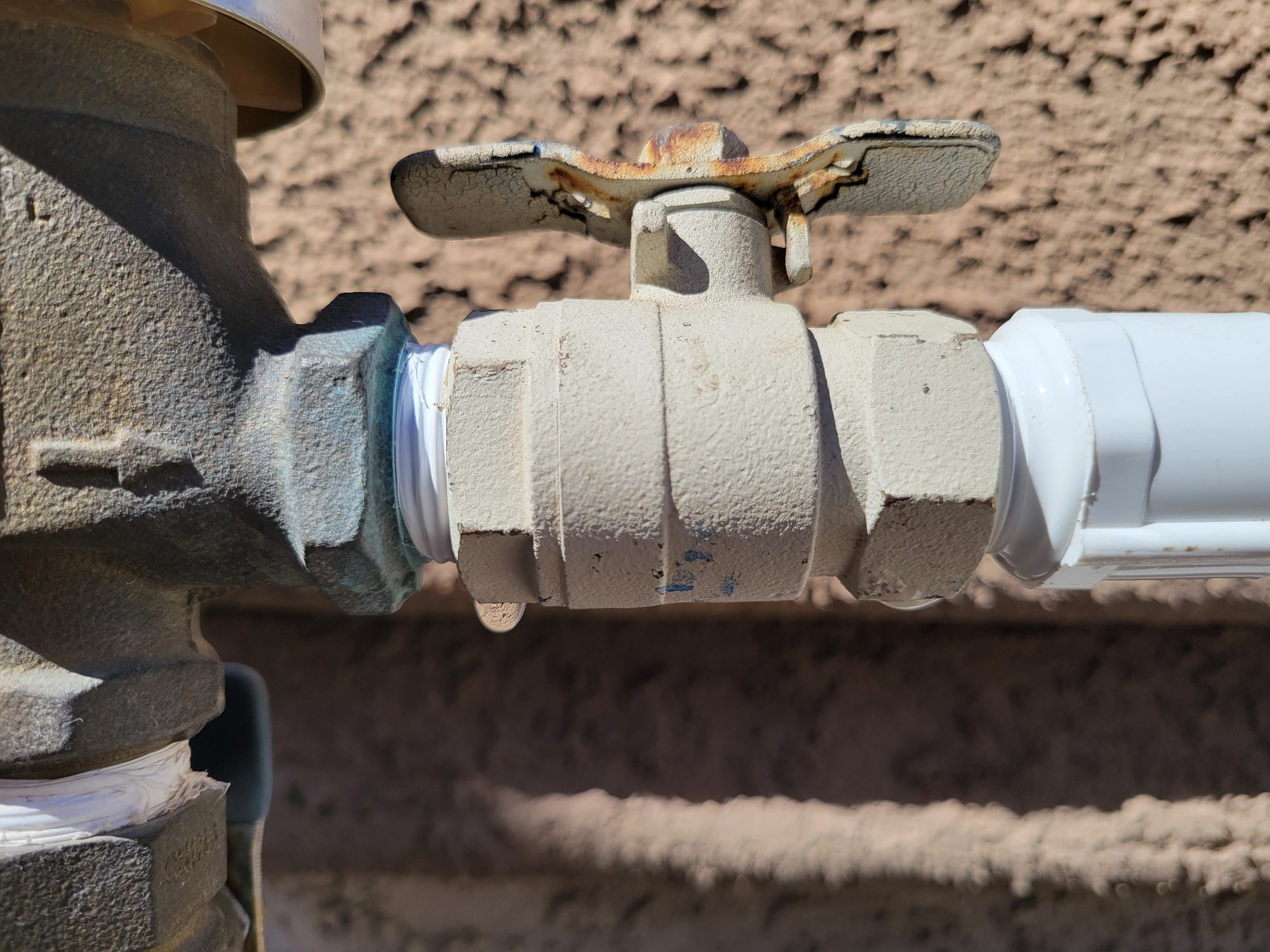
Even with the best selection and installation, plumbing valves in Hyde Park, OH, can encounter issues over time. Leaks are among the most common problems, often resulting from worn-out seals or loose connections. To address this, homeowners can tighten the valve’s packing nut or replace the seal. Regular inspections help catch these issues early, preventing more significant problems down the line.
In Oakley, OH, homeowners may also face challenges with valves becoming stuck, making it hard to turn them on or off. This usually occurs due to mineral buildup or corrosion inside the valve. Applying a penetrating lubricant can free up the valve, but if the problem persists, it might be time to replace it. Keeping an eye on the valve’s operation can prevent it from getting stuck at a crucial moment.
Another issue is noise, which can indicate a problem with how a valve is regulating water flow. If you hear whistling or banging noises from your plumbing valves, it might be due to high water pressure or a loose valve washer. Installing a pressure-reducing valve or tightening the washer can often solve this problem. Monitoring your plumbing system’s noise levels can help you identify and rectify issues quickly.
Lastly, if a valve fails to completely stop water flow, it may be due to sediment buildup or a damaged component. Homeowners can try cleaning the valve to remove any debris. However, if the valve still doesn’t close properly, replacing it is the most effective solution. Regular maintenance and timely replacements ensure your plumbing valves function efficiently, safeguarding your home’s plumbing integrity.
Selecting Plumbing Valves for Outdoor Use
Selecting plumbing valves for outdoor use requires careful consideration, especially in areas like Hyde Park, OH, where the weather can vary significantly. Opting for valves made from materials that can withstand the elements is crucial. Brass or stainless steel valves are excellent choices, as they resist corrosion and can handle both cold and hot temperatures. These materials ensure that your outdoor plumbing remains operational and durable over time.
In Oakley, OH, homeowners should also consider the type of valve for their outdoor needs. For instance, gate valves are ideal for applications where a full flow of water is necessary, such as garden hoses or sprinkler systems. They provide a reliable option for controlling large volumes of water, making them a suitable choice for outdoor plumbing. Their ease of use and effectiveness in managing water flow make them a popular choice among residents.
Additionally, it’s important to think about the ease of access and operation of these plumbing valves. Outdoor valves should be easy to turn on and off, even in harsh weather conditions. Lever-handled ball valves, for example, offer a simple solution for quick water control, which is particularly useful during emergencies or routine maintenance. Their straightforward design and robust construction make them a practical option for outdoor use.
Finally, consulting with a professional plumber can offer valuable insights into the best plumbing valves for your specific outdoor applications. They can provide recommendations based on local climate conditions and water usage needs in Montgomery, OH. This expert advice ensures that you choose the most appropriate and efficient valves, enhancing the longevity and reliability of your outdoor plumbing system.
Top Considerations When Buying Plumbing Valves
When buying plumbing valves, understanding their function in your home’s plumbing system is essential. Different valves serve various purposes, from regulating water flow to preventing backflow. For instance, in Hyde Park, OH, homeowners might prioritize check valves for their backflow prevention capabilities. This ensures that their drinking water remains uncontaminated, highlighting the importance of selecting the right valve for specific needs.
Another crucial consideration is the valve’s compatibility with your existing plumbing. In Oakley, OH, for example, the water quality and type of pipes could influence your choice. Brass valves might be preferred for their corrosion resistance, especially if the water has a high mineral content. Making an informed decision based on these factors can significantly impact the efficiency and longevity of your plumbing system.
Durability and ease of maintenance are also key factors to consider. Valves made from high-quality materials tend to last longer and require less upkeep. For residents in Montgomery, OH, choosing a valve that can withstand the local water conditions without frequent replacements can save time and money. It’s beneficial to opt for valves that offer both durability and ease of maintenance for a hassle-free experience.
Lastly, professional guidance can be invaluable in making the right choice. Consulting with a plumber who understands the local conditions in Hyde Park, OH, can provide insights into the best plumbing valves for your home. They can recommend options that meet your specific needs, ensuring that your plumbing system operates smoothly. This expert advice can make the selection process much easier, ensuring you get the most suitable valves for your home.
Frequently Asked Questions
What are the types of plumbing valves?
Plumbing valves come in various types, each designed for a specific function. Ball valves, for example, offer durable control for water flow. Gate valves, on the other hand, are great for applications requiring a secure shut-off. Check valves prevent backflow, ensuring water moves in one intended direction, making them essential for many household systems.
How do I select the right size for plumbing valves?
Choosing the right size for plumbing valves is crucial for your system’s efficiency. First, measure the pipe’s diameter to ensure a perfect fit. Then, consider the flow rate you need for your application. Finally, consult with a professional, like Halpin Plumbing, to confirm the best match for your specific needs.
What materials are best for plumbing valves?
The best material for plumbing valves depends on their use. Brass valves are popular for durability and corrosion resistance. For drinking water, lead-free brass is a must to ensure safety. Plastic valves work well for low-pressure settings and are cost-effective. Always choose materials based on the specific needs of your plumbing project.
Why are plumbing valves important in home maintenance?
Plumbing valves play a crucial role in managing water flow in your home. They allow you to control the supply, preventing leaks and conserving water. By ensuring systems work smoothly, they help avoid costly repairs. Regular checks and maintenance of these valves can significantly extend your plumbing’s lifespan.
How often should plumbing valves be replaced?
The lifespan of plumbing valves varies, depending on their material and usage. Typically, it’s wise to check them every two to three years. If signs of wear or leakage appear, consider replacing them promptly. Consulting with experts like Halpin Plumbing can ensure your valves remain in top condition.