







Noisy pipes can be a real nuisance in homes and businesses across Montgomery, OH. Many property owners in Hyde Park, OH, and Oakley, OH, have experienced banging or vibrating pipes. These sounds often result from improper pipe hanger spacing, which can lead to other plumbing issues. Addressing this concern early ensures a quieter and more reliable plumbing system.
Proper pipe hanger spacing supports pipes and keeps them from sagging or shifting over time. When hangers are too far apart, pipes may vibrate or move with water flow. This movement can cause stress on joints and fittings, leading to leaks or damage. Correct spacing helps maintain the integrity of your plumbing system.
Building codes set specific requirements for pipe hanger spacing to prevent these problems. Following these guidelines is crucial for both safety and performance. Plumbers use these standards to determine the right distance between supports for different pipe materials. This careful approach prevents sagging, banging, and excessive wear on your plumbing.
Understanding the importance of pipe hanger spacing can save you from costly repairs down the road. It also helps keep your plumbing quiet and efficient. Homeowners and business owners alike benefit from a well-supported system. In the following sections, we will explore best practices and code requirements for optimal support.

Why Proper Pipe Support Matters
Proper pipe hanger spacing plays a critical role in preventing noisy vibration and long-term plumbing damage. Without adequate support, pipes are more likely to shift, causing banging sounds and unnecessary stress. Over time, this can weaken pipe connections and lead to leaks or breaks. Ensuring the right spacing keeps your system secure and operating smoothly.
In homes and businesses throughout Montgomery, OH, improper support often leads to recurring noise and repair issues. Pipes that sag or rub against surfaces can create ongoing disturbances. Correct pipe hanger spacing reduces these risks and keeps your plumbing system stable. This attention to detail helps maintain a comfortable environment for everyone.
Building codes exist to guide plumbers in providing safe, effective support for all types of piping. These standards specify the ideal distances for hangers based on pipe material and size. Following these guidelines prevents sagging, banging, and excessive wear. Professional plumbers in Hyde Park, OH, and Oakley, OH, rely on these codes for every installation.
Investing in proper pipe hanger spacing offers long-term benefits for property owners. Well-supported pipes experience less movement, reducing maintenance costs and noise complaints. This proactive approach extends the life of your plumbing system. Ultimately, it ensures reliable water flow and peace of mind for years to come.
Common Causes of Noisy Pipe Vibration
Noisy pipe vibration often starts with improper pipe hanger spacing. When supports are too far apart, pipes can move or flex during water flow. This movement creates vibrations that echo through walls and floors, disturbing the quiet of your home or business. Addressing the spacing of pipe hangers helps eliminate these unwanted sounds at the source.
Temperature changes also contribute to noisy pipes. As water temperature fluctuates, pipes expand and contract, especially if they lack proper support. Without correct pipe hanger spacing, this movement causes pipes to rub against framing or other surfaces. Over time, this repeated motion leads to banging or rattling noises.
Water pressure surges are another common culprit behind pipe vibration. Sudden changes in pressure, known as water hammer, can jolt pipes that are not properly secured. In Hyde Park, OH, many older buildings have outdated supports that fail to meet modern standards. Upgrading pipe hanger spacing can significantly reduce the impact of these pressure changes.
Finally, incorrect installation or the use of the wrong hanger type may cause persistent noise. In Oakley, OH, some properties have pipes supported by makeshift or worn hangers, leading to ongoing vibration issues. Ensuring the right pipe hanger spacing and materials provides stable, long-lasting support. This careful approach helps keep your plumbing system quiet and reliable.
Understanding Pipe Hanger Spacing Requirements
Understanding pipe hanger spacing requirements is essential for a quiet and dependable plumbing system. Codes specify the maximum distance between hangers for each pipe type and size. For example, copper, PVC, and steel pipes all have unique spacing guidelines. Following these standards helps prevent sagging, vibration, and premature pipe wear.
Professional plumbers in Oakley, OH, use these requirements to ensure every installation meets safety and performance expectations. Proper pipe hanger spacing supports pipes evenly, reducing the risk of stress on joints. This attention to detail helps avoid leaks and costly repairs. It also keeps your plumbing system running smoothly for years.
In Hyde Park, OH, older homes may not meet current code requirements for pipe hanger spacing. Upgrading supports to match modern standards can eliminate persistent noise and improve reliability. Plumbers assess the type, length, and material of each pipe before determining the correct spacing. This careful planning ensures lasting results and a quieter environment.
Consistent pipe hanger spacing also makes future maintenance easier. Well-supported pipes are less likely to shift or develop hidden damage over time. By adhering to code requirements, property owners protect their investment and enjoy fewer disruptions. A properly supported plumbing system brings peace of mind and long-term value.
Pipe Hanger Spacing for Different Materials
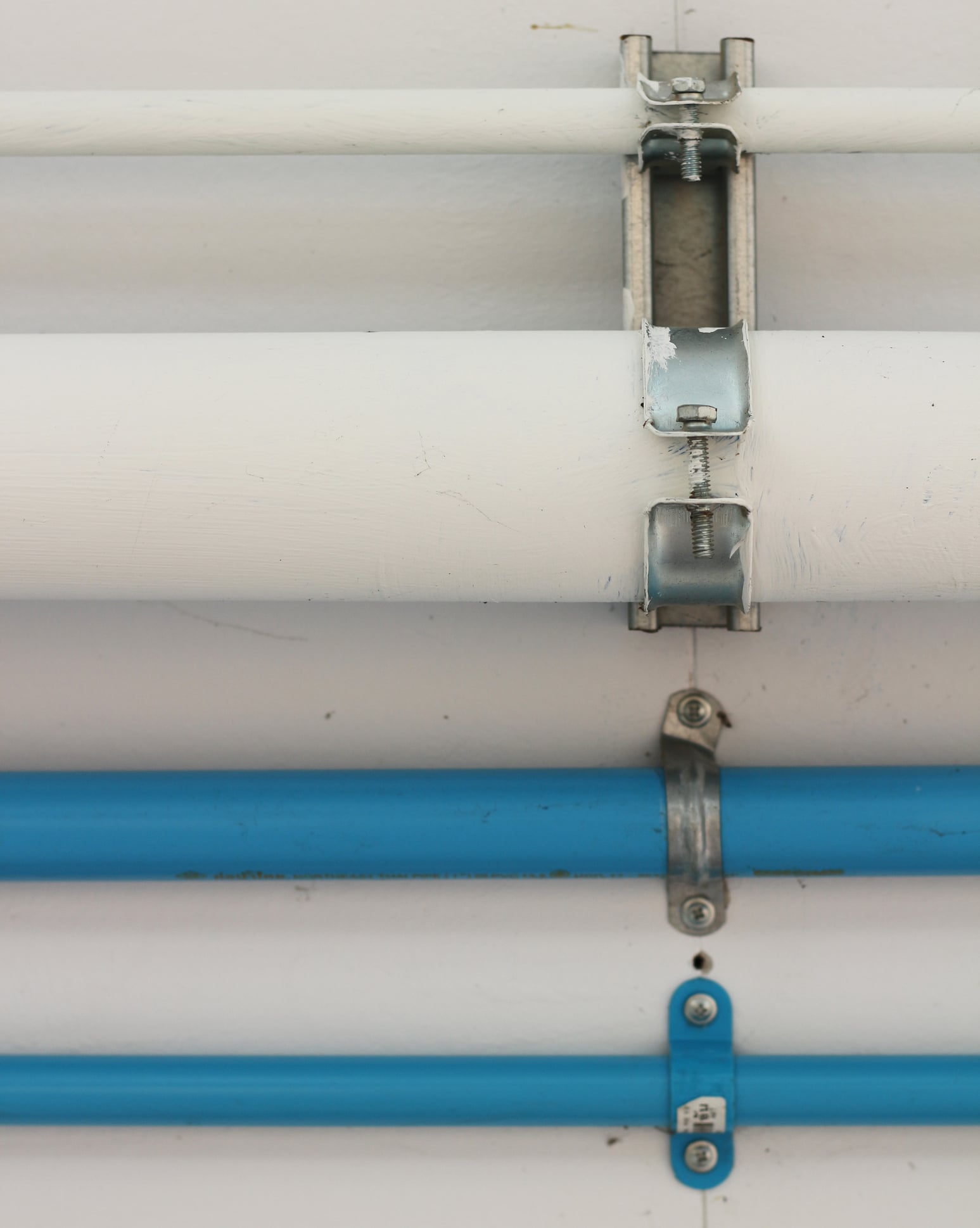
Different pipe materials require specific pipe hanger spacing to ensure proper support and reduce noise. Copper pipes, for example, need closer hanger spacing because they expand and contract more with temperature changes. PVC pipes are lightweight but still require consistent support to prevent sagging and vibration. Steel pipes, being heavier, need hangers placed at shorter intervals to handle their weight.
Professional plumbers assess each material before determining the best pipe hanger spacing for the job. In Hyde Park, OH, many homes feature a mix of copper and PVC pipes, each with unique support needs. Plumbers use their expertise to match hanger types and spacing to the material’s properties. This careful approach prevents movement that could lead to banging or leaks.
Oakley, OH, properties often include older steel piping, which demands closer pipe hanger spacing for stability. Upgrading to modern supports can eliminate noise and improve system longevity. Plumbers check the length and diameter of each pipe to decide the right spacing. This attention to detail helps maintain a quiet and dependable plumbing system.
Choosing the right hanger and spacing for each material protects your investment and ensures long-term reliability. Consistent pipe hanger spacing keeps pipes secure and reduces maintenance issues. Proper support also makes future repairs easier and less disruptive. With expert installation, your plumbing system remains quiet and efficient for years to come.
Preventing Sagging and Stress with Correct Spacing
Correct pipe hanger spacing is essential for preventing pipe sagging and stress throughout your plumbing system. When pipes are not supported at the right intervals, they can droop or bend over time. This sagging puts extra pressure on joints and fittings, increasing the risk of leaks. Ensuring proper spacing keeps pipes straight and evenly supported.
Stress on pipes can lead to long-term damage and costly repairs if left unaddressed. Pipes that lack adequate support may develop cracks or weakened connections. By following recommended pipe hanger spacing, you help protect your plumbing from unnecessary strain. This proactive approach extends the life of your system.
In Hyde Park, OH, many homeowners have seen the benefits of correct pipe hanger spacing firsthand. Upgrading supports in older homes often eliminates both sagging and noisy vibration. Plumbers carefully assess each pipe’s length and material to determine the best spacing. This attention to detail ensures reliable water flow and fewer future issues.
Oakley, OH, businesses also rely on proper pipe hanger spacing to maintain efficient plumbing. Well-supported pipes reduce maintenance needs and help avoid service disruptions. With the right spacing, pipes remain stable even as temperatures and water pressure fluctuate. Investing in expert installation keeps your property’s plumbing quiet and dependable.
Code Compliance for Pipe Hanger Spacing
Adhering to code compliance is crucial when determining pipe hanger spacing for any plumbing installation. Local and national codes outline specific requirements for different pipe types and sizes. Professional plumbers reference these standards to ensure every support is correctly placed. This approach guarantees both safety and long-term performance in your plumbing system.
In Hyde Park, OH, code-compliant pipe hanger spacing helps prevent issues like sagging and noisy vibration. Plumbers carefully review the latest guidelines before starting any installation or upgrade. By following these codes, they provide reliable support for both new and existing pipes. This attention to detail protects your home from future plumbing problems.
Oakley, OH, businesses also benefit from strict adherence to pipe hanger spacing codes. Proper support reduces the risk of leaks, water damage, and system failures. Plumbers document their work to show compliance with all relevant regulations. This gives property owners peace of mind and ensures a quiet, efficient plumbing system.
Regular inspections help confirm that pipe hanger spacing remains within code requirements over time. As buildings age or renovations occur, supports may need adjustment to stay compliant. Plumbers can assess your system and recommend updates if needed. Keeping your plumbing up to code ensures lasting reliability and fewer disruptions.
Best Practices for Installing Pipe Supports
Following best practices for installing pipe supports ensures your plumbing system remains quiet and durable. Start by measuring and marking the correct pipe hanger spacing before installation begins. This careful planning helps avoid mistakes and provides even support along the entire pipe run. Using the right tools and materials is essential for a secure, long-lasting result.
Choose hangers designed for the specific pipe material and diameter in your system. For example, copper, PVC, and steel pipes each require compatible supports to prevent movement. In Hyde Park, OH, professional plumbers match hanger types to local plumbing conditions for optimal performance. This tailored approach helps reduce noise and stress on your pipes.
Install hangers at intervals that meet or exceed code requirements for your region. Secure each support firmly to a stable surface, such as a joist or wall stud. In Oakley, OH, this attention to detail prevents pipes from shifting or sagging over time. Consistent pipe hanger spacing also makes future maintenance simpler and more efficient.
After installation, inspect each hanger to confirm it holds the pipe snugly without restricting movement. Leave room for natural expansion and contraction caused by temperature changes. Regular checks help catch any issues before they lead to noise or damage. By following these best practices, you ensure your plumbing system stays quiet and reliable for years.
Signs Your Pipe Hanger Spacing Needs Adjustment
Recognizing when pipe hanger spacing needs adjustment can prevent bigger plumbing issues down the road. One clear sign is persistent banging or rattling noises when water flows through your pipes. If you notice pipes shifting or vibrating, the supports may be too far apart. Addressing these early warnings helps avoid costly repairs and system failures.
Visible sagging or drooping pipes also indicate a problem with pipe hanger spacing. Pipes should run straight and level along their supports, not bow or bend. In Hyde Park, OH, older homes often show these signs as hangers loosen or wear out over time. Upgrading to proper spacing restores stability and quiet operation.
Leaks at pipe joints or fittings may suggest excess stress caused by poor support. Water stains or damp spots near pipes can be early clues. In Oakley, OH, businesses sometimes experience these issues after renovations or changes to plumbing layouts. Adjusting pipe hanger spacing can resolve leaks and prevent future damage.
Regular inspections help catch these problems before they escalate. Check for loose, missing, or corroded hangers along your plumbing system. If any signs appear, consult a professional to assess and adjust the pipe hanger spacing. Timely action ensures your plumbing remains safe, quiet, and efficient.
Frequently Asked Questions
What is the recommended pipe hanger spacing for water pipes?
Proper pipe hanger spacing helps prevent noisy vibration and reduces stress on water pipes in your home. Most codes suggest hangers every six feet for copper and every four feet for PVC. Supporting pipes at these intervals keeps them secure and free from sagging or banging. Regularly checking pipe hanger spacing ensures lasting performance and a quieter plumbing system.
How does pipe hanger spacing affect vibration and noise?
Correct pipe hanger spacing helps minimize vibration and noise by keeping pipes stable and properly supported throughout your home. When pipes lack enough support, they may rattle or bang against walls during water flow. Strategic pipe hanger spacing absorbs movement and prevents pipes from shifting or vibrating excessively. This approach leads to a quieter, more comfortable living environment and protects your plumbing system from unnecessary stress.
What materials help reduce noisy vibration in pipe supports?
Rubber-lined pipe hangers and cushioned clamps help reduce noisy vibration by absorbing movement and dampening sound. Using these materials with proper pipe hanger spacing keeps pipes secure and quiet. Flexible supports also prevent metal-to-metal contact, which can cause banging or rattling noises. Choosing the right materials and spacing leads to a more peaceful and stress-free plumbing system.
How often should pipe hangers be inspected for vibration issues?
Inspect pipe hangers for vibration issues at least once a year to maintain proper pipe hanger spacing and support. Regular checks help catch loose hangers or worn materials before they cause noise or damage. Addressing small issues early keeps your plumbing system quiet and stable. Consistent inspections ensure pipe hanger spacing continues to prevent sagging, banging, and excess stress on your pipes.
Can improper pipe hanger spacing cause long-term pipe damage?
Improper pipe hanger spacing can lead to pipes sagging, putting extra stress on joints and connections over time. This added strain may cause leaks, cracks, or even bursts in your plumbing system. Consistent vibration and movement from poor support can also wear down pipe materials faster. Maintaining correct pipe hanger spacing protects your pipes and helps avoid costly long-term damage in your Montgomery, OH home.